تأثير بيئة العمل على كفاءة التعامل مع غلاف الزيت
العوامل البشرية في سلامة سلسلة توريد أغلفة النفط
https://youtube.com/watch?v=IynKNbSIcXc
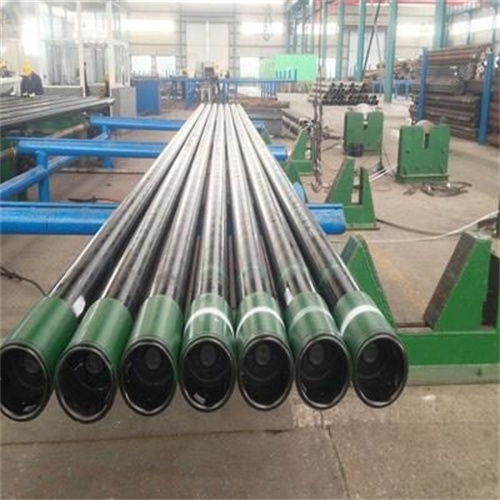
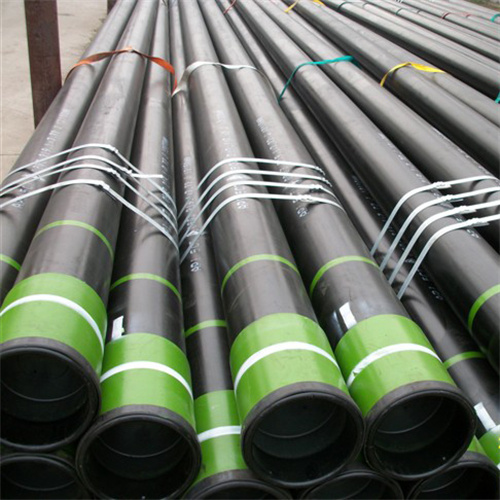
API 5ct N80-1 Casing أفضل المصانع الصينية
تصميم أدوات مريحة لعمليات تغليف الزيت
يعد تصميم الأدوات المريحة لعمليات تغليف النفط جانبًا مهمًا لتعزيز سلامة العمال وكفاءتهم في صناعة النفط والغاز. غالبًا ما تتضمن طبيعة عمل غلاف الزيت مهام متكررة، ورفع أشياء ثقيلة، ووضعيات محرجة، مما قد يؤدي إلى اضطرابات عضلية هيكلية وإصابات أخرى. ولذلك، فمن الضروري دمج المبادئ المريحة في تصميم الأدوات والمعدات المستخدمة في هذه العمليات. من خلال التركيز على العوامل البشرية، يمكن للمصممين إنشاء أدوات لا تعمل على تحسين الأداء فحسب، بل تقلل أيضًا من خطر الإصابة.
في البداية، يعد فهم المهام المحددة التي تنطوي عليها عمليات تغليف الزيت أمرًا بالغ الأهمية. كثيرًا ما يشارك العمال في أنشطة مثل التعامل مع أنابيب التغليف وتشغيل الآلات وإجراء عمليات التفتيش. تتطلب كل مهمة من هذه المهام متطلبات بدنية مختلفة، ويجب تصميم الأدوات لاستيعاب هذه الاحتياجات المتنوعة. على سبيل المثال، يمكن أن تكون أنابيب التغليف ثقيلة ومرهقة، مما يتطلب أدوات تسهل التعامل معها. يمكن أن يشمل ذلك استخدام أجهزة الرفع أو المقابض المتخصصة التي تسمح للعمال بالحفاظ على وضع معصم محايد، وبالتالي تقليل الضغط.
علاوة على ذلك، يجب أن يأخذ تصميم الأدوات في الاعتبار بيانات القياسات البشرية للقوى العاملة. تتضمن هذه البيانات قياسات لأبعاد الجسم، وقدرات القوة، ومسافات الوصول، والتي يمكن أن تختلف بشكل كبير بين الأفراد. ومن خلال دمج هذه المعلومات في عملية التصميم، يمكن للمصنعين إنشاء أدوات قابلة للتعديل أو التخصيص، مما يضمن أنها تناسب مجموعة واسعة من المستخدمين. على سبيل المثال، يمكن أن تساعد المقابض القابلة للتعديل على مفاتيح الأنابيب في استيعاب أحجام اليد المختلفة، مما يسمح بقبضة أكثر راحة وتقليل احتمالية إرهاق اليد.
بالإضافة إلى الأبعاد المادية، يجب أيضًا معالجة الجوانب المعرفية لاستخدام الأداة. يجب أن يكون العمال قادرين على تشغيل الأدوات بشكل حدسي وفعال، مما يعني أن التصميم يجب أن يعزز سهولة الاستخدام. ويمكن تحقيق ذلك من خلال وضع العلامات الواضحة والترميز اللوني والواجهات سهلة الاستخدام. على سبيل المثال، يمكن للأدوات التي توفر تعليقات مرئية، مثل المؤشرات التي توضح متى يكون الاتصال آمنًا، أن تساعد في تقليل الأخطاء وتعزيز السلامة أثناء العمليات.
علاوة على ذلك، تلعب المواد المستخدمة في إنشاء الأدوات دورًا مهمًا في بيئة العمل. يمكن للمواد خفيفة الوزن أن تقلل من الوزن الإجمالي للأدوات، مما يجعلها أسهل في التعامل معها والمناورة بها. بالإضافة إلى ذلك، يمكن أن يؤدي استخدام المقابض المانعة للانزلاق إلى تعزيز التحكم، خاصة في الظروف الرطبة أو الزيتية التي تحدث عادة في عمليات تغليف الزيت. ومن خلال اختيار المواد المناسبة، يمكن للمصممين إنشاء أدوات لا تلبي معايير الأداء فحسب، بل تعطي أيضًا الأولوية لراحة المستخدم وسلامته.
يعد التدريب والتعليم أيضًا عنصرين حيويين في التنفيذ الناجح للأدوات المريحة. ويجب تثقيف العمال حول الاستخدام السليم لهذه الأدوات، فضلاً عن أهمية بيئة العمل في منع الإصابات. يمكن لجلسات التدريب المنتظمة أن تعزز الممارسات الآمنة وتضمن أن العمال على دراية بأحدث التطورات المريحة. يمكن لهذا النهج الشامل، الذي يجمع بين تصميم الأدوات والتعليم، أن يؤدي إلى انخفاض كبير في الإصابات في مكان العمل وتحسين عام في الكفاءة التشغيلية.
في الختام، فإن تصميم الأدوات المريحة لعمليات تغليف الزيت هي عملية متعددة الأوجه تتطلب دراسة متأنية للعوامل البشرية. ومن خلال التركيز على الاحتياجات الجسدية والمعرفية للعمال، ودمج البيانات القياسات البشرية، واختيار المواد المناسبة، يستطيع المصممون إنشاء أدوات تعزز السلامة والكفاءة. بالإضافة إلى ذلك، يعد التدريب والتعليم المستمر ضروريين لضمان تجهيز العمال لاستخدام هذه الأدوات بفعالية. وفي نهاية المطاف، فإن دمج بيئة العمل في تصميم الأدوات لا يفيد القوى العاملة فحسب، بل يساهم أيضًا في النجاح الشامل لعمليات تغليف الزيت.
One of the primary concerns in the Oil Casing supply chain is the physical demands placed on workers. The handling of heavy Materials, such as Steel casing, can lead to musculoskeletal disorders if proper ergonomic practices are not implemented. Ergonomics, the science of designing work environments and tasks to fit the capabilities and limitations of workers, plays a vital role in mitigating these risks. For instance, the use of mechanical aids, such as cranes and hoists, can significantly reduce the physical strain on workers during the transportation and installation of casing. Additionally, training programs that educate workers on proper lifting techniques and body mechanics can further enhance safety and reduce the likelihood of injury.
Cognitive factors also play a crucial role in ensuring safety within the oil casing supply chain. Workers must be able to process information quickly and accurately, especially in high-pressure situations where decisions can have significant consequences. The design of work processes and systems should take into account the cognitive load placed on workers, ensuring that tasks are manageable and that information is presented clearly. For example, the use of visual aids, such as color-coded labels and diagrams, can help workers quickly identify the correct materials and procedures, thereby reducing the risk of errors. Furthermore, fostering a culture of open communication and teamwork can enhance situational awareness, allowing workers to share information and support one another in maintaining safety standards.
Organizational factors are equally important in promoting safety within the oil casing supply chain. Leadership commitment to safety is essential for creating an environment where workers feel empowered to prioritize their well-being. This commitment can be demonstrated through the implementation of safety management systems that include regular training, risk assessments, and incident reporting mechanisms. By establishing clear safety protocols and encouraging worker participation in safety initiatives, organizations can cultivate a proactive safety culture that minimizes risks associated with human factors.
Moreover, the integration of technology into the oil casing supply chain can enhance safety by providing real-time data and analytics that inform decision-making. For instance, the use of wearable technology can monitor workers’ physical exertion levels, alerting supervisors to potential overexertion before injuries occur. Additionally, advanced tracking systems can optimize logistics and inventory management, reducing the likelihood of delays and associated safety risks. By leveraging technology, organizations can create a more responsive and adaptive supply chain that prioritizes human factors and safety.
In conclusion, addressing human factors in the oil casing supply chain is essential for ensuring safety and operational efficiency. By focusing on ergonomic practices, cognitive load management, and organizational commitment to safety, stakeholders can create a work environment that minimizes risks and enhances worker well-being. The integration of technology further supports these efforts, providing tools and insights that empower workers and improve overall safety outcomes. As the industry contiNues to evolve, prioritizing human factors will remain a critical component of successful supply chain management in the Oil and Gas sector.
Designing Ergonomic Tools for Oil Casing Operations
Designing ergonomic tools for oil casing operations is a critical aspect of enhancing worker safety and efficiency in the oil and gas industry. The nature of oil casing work often involves repetitive tasks, heavy lifting, and awkward postures, which can lead to musculoskeletal disorders and other injuries. Therefore, it is essential to integrate ergonomic principles into the design of tools and equipment used in these operations. By focusing on human factors, designers can create tools that not only improve performance but also reduce the risk of injury.
To begin with, understanding the specific tasks involved in oil casing operations is paramount. Workers frequently engage in activities such as handling Casing Pipes, operating machinery, and performing inspections. Each of these tasks requires different physical demands, and tools must be designed to accommodate these varying needs. For instance, casing Pipes can be heavy and cumbersome, necessitating tools that facilitate easier handling. This could involve the use of lifting devices or specialized grips that allow workers to maintain a neutral wrist position, thereby minimizing strain.
Moreover, the design of tools should consider the anthropometric data of the workforce. This data includes measurements of body dimensions, strength capabilities, and reach distances, which can vary significantly among individuals. By incorporating this information into the design process, Manufacturers can create tools that are adjustable or customizable, ensuring that they fit a wide range of users. For example, adjustable handles on pipe wrenches can help accommodate different hand sizes, allowing for a more comfortable grip and reducing the likelihood of hand fatigue.
In addition to physical dimensions, the cognitive aspects of tool use must also be addressed. Workers need to be able to operate tools intuitively and efficiently, which means that the design should promote ease of use. This can be achieved through the implementation of clear labeling, color coding, and user-friendly interfaces. For instance, tools that provide visual feedback, such as indicators that show when a Connection is secure, can help reduce errors and enhance safety during operations.
Furthermore, the materials used in tool Construction play a significant role in ergonomics. LightWeight materials can reduce the overall weight of tools, making them easier to handle and maneuver. Additionally, the use of non-slip grips can enhance control, particularly in wet or oily conditions commonly encountered in oil casing operations. By selecting appropriate materials, designers can create tools that not only meet performance standards but also prioritize user comfort and safety.
 Training and education are also vital components in the successful implementation of ergonomic tools. Workers must be educated on the proper use of these tools, as well as the importance of ergonomics in preventing injuries. Regular training sessions can reinforce safe practices and ensure that workers are aware of the latest ergonomic advancements. This holistic approach, combining tool design with education, can lead to a significant reduction in workplace injuries and an overall improvement in operational efficiency.
In conclusion, the design of ergonomic tools for oil casing operations is a multifaceted process that requires careful consideration of human factors. By focusing on the physical and cognitive needs of workers, incorporating anthropometric data, and selecting appropriate materials, designers can create tools that enhance safety and efficiency. Additionally, ongoing training and education are essential to ensure that workers are equipped to use these tools effectively. Ultimately, the integration of ergonomics into tool design not only benefits the workforce but also contributes to the overall success of oil casing operations.