অয়েল কেসিং হ্যান্ডলিং দক্ষতার উপর এরগোনোমিক্সের প্রভাব
তেল আবরণ সরবরাহ চেইন নিরাপত্তার মানবিক কারণ
https://youtube.com/watch?v=IynKNbSIcXc
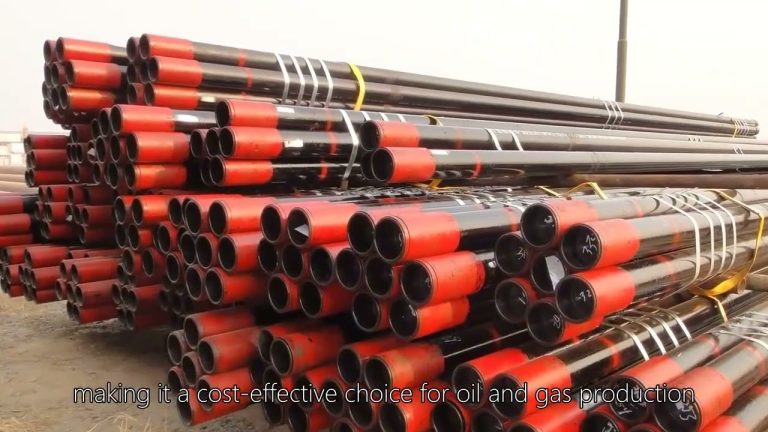
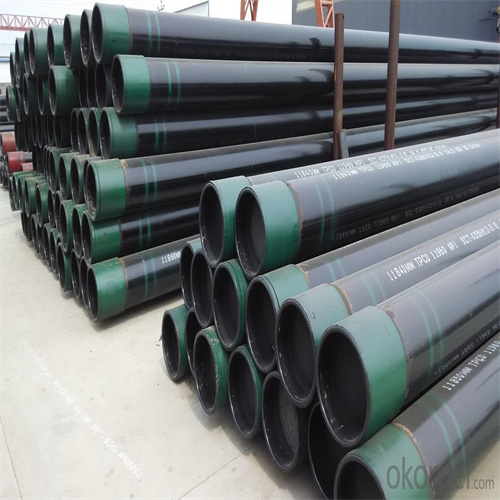
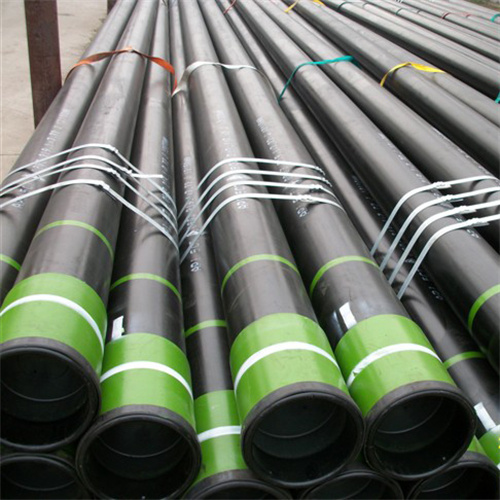
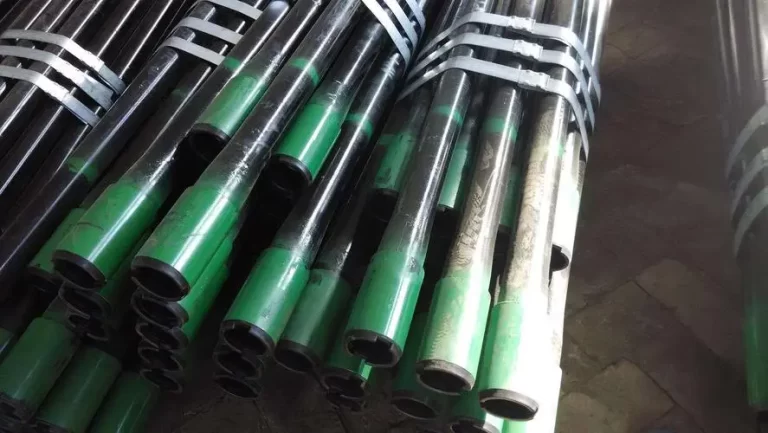
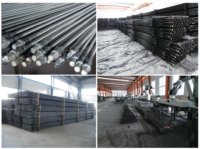
API 5ct N80-1 কেসিং চায়না সেরা কারখানা
অয়েল কেসিং অপারেশনের জন্য এরগোনোমিক টুল ডিজাইন করা
এর্গোনমিক সরঞ্জামগুলির সফল বাস্তবায়নে প্রশিক্ষণ এবং শিক্ষাও গুরুত্বপূর্ণ উপাদান। শ্রমিকদের অবশ্যই এই সরঞ্জামগুলির সঠিক ব্যবহার সম্পর্কে শিক্ষিত হতে হবে, সেইসাথে আঘাত প্রতিরোধে এরগনোমিক্সের গুরুত্ব সম্পর্কে। নিয়মিত প্রশিক্ষণ সেশনগুলি নিরাপদ অনুশীলনগুলিকে শক্তিশালী করতে পারে এবং নিশ্চিত করতে পারে যে কর্মীরা সর্বশেষ ergonomic অগ্রগতি সম্পর্কে সচেতন। এই সামগ্রিক পদ্ধতির, শিক্ষার সাথে টুল ডিজাইনের সংমিশ্রণ, কর্মক্ষেত্রে আঘাতের উল্লেখযোগ্য হ্রাস এবং অপারেশনাল দক্ষতার সামগ্রিক উন্নতির দিকে নিয়ে যেতে পারে।
উপসংহারে, তেল আবরণ ক্রিয়াকলাপের জন্য ergonomic সরঞ্জামগুলির নকশা একটি বহুমুখী প্রক্রিয়া যার জন্য মানবিক কারণগুলির যত্ন সহকারে বিবেচনা করা প্রয়োজন। কর্মীদের শারীরিক এবং জ্ঞানীয় চাহিদার উপর ফোকাস করে, নৃতাত্ত্বিক ডেটা অন্তর্ভুক্ত করে এবং উপযুক্ত উপকরণ নির্বাচন করে, ডিজাইনাররা এমন সরঞ্জাম তৈরি করতে পারে যা নিরাপত্তা এবং দক্ষতা বাড়ায়। উপরন্তু, কর্মীরা কার্যকরভাবে এই সরঞ্জামগুলি ব্যবহার করার জন্য সজ্জিত তা নিশ্চিত করার জন্য চলমান প্রশিক্ষণ এবং শিক্ষা অপরিহার্য। পরিশেষে, টুল ডিজাইনে এরগোনোমিক্সের একীকরণ শুধুমাত্র কর্মশক্তিকে উপকৃত করে না বরং তেল আবরণ অপারেশনের সামগ্রিক সাফল্যেও অবদান রাখে।
API 5CT N80-1 Casing china Best Factories
One of the primary concerns in the Oil Casing supply chain is the physical demands placed on workers. The handling of heavy Materials, such as Steel casing, can lead to musculoskeletal disorders if proper ergonomic practices are not implemented. Ergonomics, the science of designing work environments and tasks to fit the capabilities and limitations of workers, plays a vital role in mitigating these risks. For instance, the use of mechanical aids, such as cranes and hoists, can significantly reduce the physical strain on workers during the transportation and installation of casing. Additionally, training programs that educate workers on proper lifting techniques and body mechanics can further enhance safety and reduce the likelihood of injury.
Cognitive factors also play a crucial role in ensuring safety within the oil casing supply chain. Workers must be able to process information quickly and accurately, especially in high-pressure situations where decisions can have significant consequences. The design of work processes and systems should take into account the cognitive load placed on workers, ensuring that tasks are manageable and that information is presented clearly. For example, the use of visual aids, such as color-coded labels and diagrams, can help workers quickly identify the correct materials and procedures, thereby reducing the risk of errors. Furthermore, fostering a culture of open communication and teamwork can enhance situational awareness, allowing workers to share information and support one another in maintaining safety standards.
Organizational factors are equally important in promoting safety within the oil casing supply chain. Leadership commitment to safety is essential for creating an environment where workers feel empowered to prioritize their well-being. This commitment can be demonstrated through the implementation of safety management systems that include regular training, risk assessments, and incident reporting mechanisms. By establishing clear safety protocols and encouraging worker participation in safety initiatives, organizations can cultivate a proactive safety culture that minimizes risks associated with human factors.
Moreover, the integration of technology into the oil casing supply chain can enhance safety by providing real-time data and analytics that inform decision-making. For instance, the use of wearable technology can monitor workers’ physical exertion levels, alerting supervisors to potential overexertion before injuries occur. Additionally, advanced tracking systems can optimize logistics and inventory management, reducing the likelihood of delays and associated safety risks. By leveraging technology, organizations can create a more responsive and adaptive supply chain that prioritizes human factors and safety.
In conclusion, addressing human factors in the oil casing supply chain is essential for ensuring safety and operational efficiency. By focusing on ergonomic practices, cognitive load management, and organizational commitment to safety, stakeholders can create a work environment that minimizes risks and enhances worker well-being. The integration of technology further supports these efforts, providing tools and insights that empower workers and improve overall safety outcomes. As the industry contiNues to evolve, prioritizing human factors will remain a critical component of successful supply chain management in the Oil and Gas sector.
Designing Ergonomic Tools for Oil Casing Operations
Designing ergonomic tools for oil casing operations is a critical aspect of enhancing worker safety and efficiency in the oil and gas industry. The nature of oil casing work often involves repetitive tasks, heavy lifting, and awkward postures, which can lead to musculoskeletal disorders and other injuries. Therefore, it is essential to integrate ergonomic principles into the design of tools and equipment used in these operations. By focusing on human factors, designers can create tools that not only improve performance but also reduce the risk of injury.
To begin with, understanding the specific tasks involved in oil casing operations is paramount. Workers frequently engage in activities such as handling Casing Pipes, operating machinery, and performing inspections. Each of these tasks requires different physical demands, and tools must be designed to accommodate these varying needs. For instance, casing Pipes can be heavy and cumbersome, necessitating tools that facilitate easier handling. This could involve the use of lifting devices or specialized grips that allow workers to maintain a neutral wrist position, thereby minimizing strain.
Moreover, the design of tools should consider the anthropometric data of the workforce. This data includes measurements of body dimensions, strength capabilities, and reach distances, which can vary significantly among individuals. By incorporating this information into the design process, Manufacturers can create tools that are adjustable or customizable, ensuring that they fit a wide range of users. For example, adjustable handles on pipe wrenches can help accommodate different hand sizes, allowing for a more comfortable grip and reducing the likelihood of hand fatigue.
In addition to physical dimensions, the cognitive aspects of tool use must also be addressed. Workers need to be able to operate tools intuitively and efficiently, which means that the design should promote ease of use. This can be achieved through the implementation of clear labeling, color coding, and user-friendly interfaces. For instance, tools that provide visual feedback, such as indicators that show when a Connection is secure, can help reduce errors and enhance safety during operations.
Furthermore, the materials used in tool Construction play a significant role in ergonomics. LightWeight materials can reduce the overall weight of tools, making them easier to handle and maneuver. Additionally, the use of non-slip grips can enhance control, particularly in wet or oily conditions commonly encountered in oil casing operations. By selecting appropriate materials, designers can create tools that not only meet performance standards but also prioritize user comfort and safety.
 Training and education are also vital components in the successful implementation of ergonomic tools. Workers must be educated on the proper use of these tools, as well as the importance of ergonomics in preventing injuries. Regular training sessions can reinforce safe practices and ensure that workers are aware of the latest ergonomic advancements. This holistic approach, combining tool design with education, can lead to a significant reduction in workplace injuries and an overall improvement in operational efficiency.
In conclusion, the design of ergonomic tools for oil casing operations is a multifaceted process that requires careful consideration of human factors. By focusing on the physical and cognitive needs of workers, incorporating anthropometric data, and selecting appropriate materials, designers can create tools that enhance safety and efficiency. Additionally, ongoing training and education are essential to ensure that workers are equipped to use these tools effectively. Ultimately, the integration of ergonomics into tool design not only benefits the workforce but also contributes to the overall success of oil casing operations.