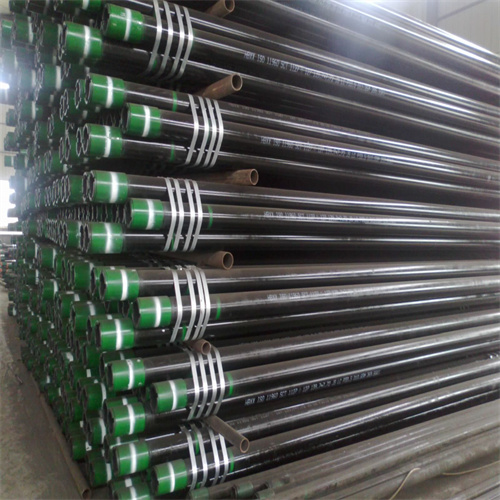
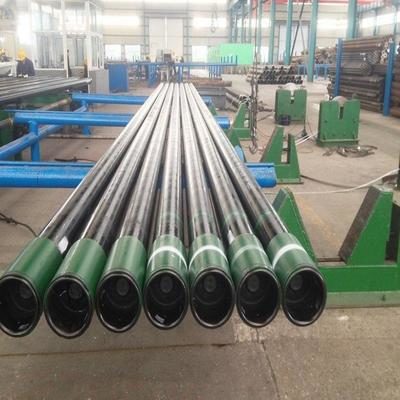
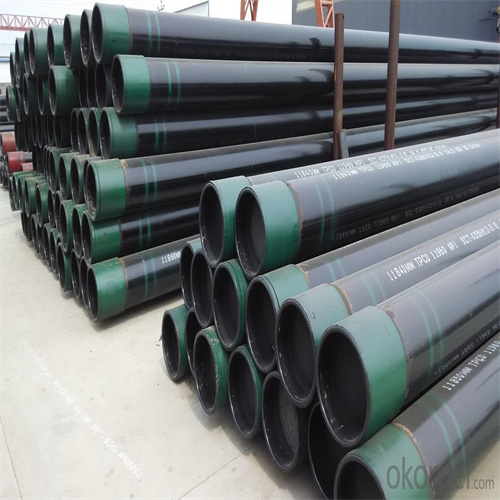
أثر الابتكارات التكنولوجية على تكاليف إنتاج أغلفة النفط
دور التحول الرقمي في استقرار أسعار سوق أغلفة النفط
يشمل التحول الرقمي مجموعة واسعة من التقنيات، بما في ذلك إنترنت الأشياء (IoT)، والذكاء الاصطناعي (AI)، وتحليلات البيانات الضخمة، وتقنية blockchain، وكلها تساهم في سوق أغلفة النفط أكثر ترابطًا وكفاءة. ومن خلال الاستفادة من هذه التقنيات، يمكن للشركات الحصول على رؤى ثاقبة في الوقت الفعلي حول اتجاهات السوق، مما يمكنها من اتخاذ قرارات مستنيرة تخفف من تأثير تقلبات الأسعار. على سبيل المثال، يمكن لأجهزة إنترنت الأشياء مراقبة حالة غلاف الزيت في الوقت الفعلي، وتوفير البيانات التي تساعد على التنبؤ باحتياجات الصيانة وتقليل وقت التوقف عن العمل. لا يؤدي هذا النهج الاستباقي إلى تعزيز الكفاءة التشغيلية فحسب، بل يقلل أيضًا من التكاليف غير المتوقعة، وبالتالي يؤدي إلى استقرار الأسعار في السوق.
علاوة على ذلك، تلعب تحليلات البيانات الضخمة دورًا حاسمًا في فهم ديناميكيات السوق. ومن خلال تحليل كميات هائلة من البيانات من مصادر مختلفة، بما في ذلك الأسعار التاريخية ومستويات الإنتاج والأحداث الجيوسياسية، يمكن للشركات تحديد الأنماط والاتجاهات التي توجه استراتيجيات التسعير الخاصة بها. تسمح هذه القدرة التحليلية للشركات بتوقع تحولات السوق وتعديل عملياتها وفقًا لذلك، وهو أمر ضروري في قطاع يتسم بالتغيرات السريعة. وبالتالي، فإن القدرة على التنبؤ بتحركات الأسعار بدقة أكبر تساهم في خلق بيئة سوق أكثر استقرارًا.
بالإضافة إلى الكفاءات التشغيلية، يعزز التحول الرقمي التعاون عبر سلسلة التوريد. يشمل سوق أغلفة النفط العديد من أصحاب المصلحة، بما في ذلك المصنعين والموردين والمستخدمين النهائيين، ويجب عليهم جميعًا العمل معًا لضمان التدفق المستمر للمنتجات والخدمات. تعمل المنصات الرقمية على تسهيل التواصل والتعاون، مما يسمح بمواءمة أفضل بين العرض والطلب. على سبيل المثال، يمكن لتكنولوجيا blockchain أن تعزز الشفافية وإمكانية التتبع في المعاملات، مما يقلل من مخاطر النزاعات ويضمن حصول جميع الأطراف على معلومات دقيقة. لا تؤدي هذه الشفافية المتزايدة إلى بناء الثقة بين أصحاب المصلحة فحسب، بل تساعد أيضًا في استقرار الأسعار من خلال ضمان تلبية العرض للطلب بشكل أكثر فعالية.
علاوة على ذلك، يمكن أن يؤدي اعتماد التقنيات الرقمية إلى خفض التكاليف، وهو أمر مهم بشكل خاص في صناعة يمكن أن تكون فيها هوامش الربح منخفضة. رفيع. يمكن للأتمتة والذكاء الاصطناعي تبسيط العمليات وتقليل تكاليف العمالة وتقليل الأخطاء البشرية، وكل ذلك يساهم في خفض النفقات التشغيلية. عندما تتمكن الشركات من العمل بشكل أكثر كفاءة وبتكلفة أقل، فإنها تكون في وضع أفضل للحفاظ على الأسعار التنافسية، حتى في مواجهة تقلبات السوق. تعد هذه القدرة على إدارة التكاليف بفعالية أمرًا بالغ الأهمية لتحقيق استقرار الأسعار في سوق أغلفة النفط.
في الختام، لا يمكن المبالغة في تقدير دور التحول الرقمي في استقرار أسعار سوق غلاف النفط. ومن خلال تسخير قوة التقنيات المتقدمة، يمكن للشركات تعزيز الكفاءة التشغيلية، وتحسين التنبؤ بالسوق، وتعزيز التعاون، وخفض التكاليف. ومع استمرار تطور الصناعة، سيكون تبني التحول الرقمي أمرًا ضروريًا للتغلب على تعقيدات تقلبات الأسعار وضمان سوق أغلفة النفط أكثر استقرارًا ومرونة. إن تكامل هذه التقنيات لا يعالج التحديات الحالية فحسب، بل يضع الصناعة أيضًا في موضع النمو المستقبلي والاستدامة، مما يعود بالنفع في نهاية المطاف على جميع أصحاب المصلحة المعنيين.
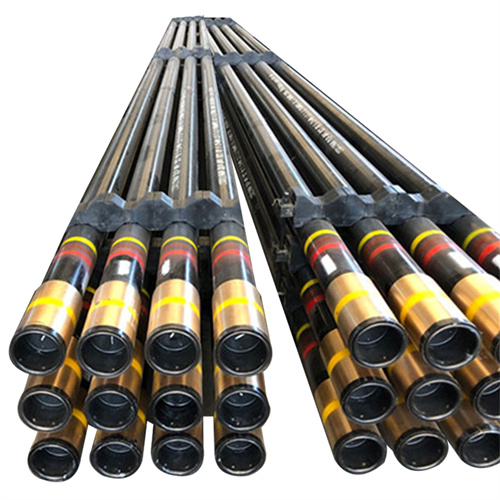
Digital transformation encompasses a wide array of technologies, including the Internet of Things (IoT), artificial intelligence (AI), big data analytics, and blockchain, all of which contribute to a more interconnected and efficient Oil Casing market. By leveraging these technologies, Companies can gain real-time insights into market trends, enabling them to make informed decisions that mitigate the impact of Price fluctuations. For instance, IoT devices can monitor the condition of oil casing in real-time, providing data that helps predict Maintenance needs and reduce downtime. This proactive approach not only enhances operational efficiency but also minimizes unexpected costs, thereby stabilizing prices in the market.
Moreover, big data analytics plays a crucial role in understanding market dynamics. By analyzing vast amounts of data from various sources, including historical pricing, production levels, and geopolitical events, companies can identify patterns and trends that inform their pricing strategies. This analytical capability allows firms to anticipate market shifts and adjust their operations accordingly, which is essential in a sector characterized by r APId changes. Consequently, the ability to forecast price movements with greater accuracy contributes to a more stable market environment.
In addition to operational efficiencies, digital transformation fosters collaboration across the supply chain. The oil casing market involves multiple stakeholders, including Manufacturers, Suppliers, and end-users, all of whom must work together to ensure a steady flow of products and services. Digital platforms facilitate communication and collaboration, allowing for better alignment of supply and demand. For example, blockchain technology can enhance transparency and traceability in transactions, reducing the risk of disputes and ensuring that all parties have access to accurate information. This increased transparency not only builds trust among stakeholders but also helps stabilize prices by ensuring that supply meets demand more effectively.
Furthermore, the adoption of digital technologies can lead to cost reductions, which is particularly important in an industry where profit margins can be thin. Automation and AI can streamline processes, reduce labor costs, and minimize human error, all of which contribute to lower operational expenses. When companies can operate more efficiently and at a lower cost, they are better positioned to maintain competitive pricing, even in the face of market volatility. This ability to manage costs effectively is crucial for stabilizing prices in the oil casing market.
In conclusion, the role of digital transformation in stabilizing oil casing market prices cannot be overstated. By harnessing the power of advanced technologies, companies can enhance operational efficiencies, improve market forecasting, foster collaboration, and reduce costs. As the industry contiNues to evolve, embracing digital transformation will be essential for navigating the complexities of price fluctuations and ensuring a more stable and resilient oil casing market. The integration of these technologies not only addresses current challenges but also positions the industry for future growth and sustainability, ultimately benefiting all stakeholders involved.