مزايا غلاف الزيت فائق القوة والمقاوم للتآكل في الحفر في أعماق البحار
الابتكارات والتطورات المستقبلية في تكنولوجيا الحفر في أعماق البحار
يستمر الطلب على الطاقة في دفع عجلة التقدم في تكنولوجيا الحفر في أعماق البحار، حيث تتطلب تحديات العمل في الظروف القاسية حلولاً مبتكرة. ومن بين هذه الحلول، برز غلاف النفط فائق القوة المقاوم للتآكل كتطور حاسم، مما يوفر تحسينات كبيرة في الكفاءة والسلامة والأثر البيئي.
غالبًا ما تواجه عمليات الحفر في أعماق البحار بيئات قاسية تتميز بضغوط عالية، ومواد مسببة للتآكل، ودرجات الحرارة القصوى. تمثل هذه الظروف تحديات هائلة للمعدات والمواد التقليدية. رداً على ذلك، قام المهندسون والعلماء بتطوير مواد متقدمة لتغليف النفط يمكنها تحمل هذه الظروف العدائية مع الحفاظ على السلامة الهيكلية والموثوقية التشغيلية.
أحد الابتكارات الرئيسية في هذا المجال هو استخدام مواد فائقة القوة مثل المواد عالية الجودة. السبائك والمواد المركبة. يتم اختيار هذه المواد ليس فقط لقوتها ولكن أيضًا لمقاومتها للتآكل. يمثل التآكل تهديدًا خبيثًا بشكل خاص في بيئات أعماق البحار بسبب وجود مواد مسببة للتآكل في قاع البحر والتفاعلات الكيميائية القاسية عند الضغوط ودرجات الحرارة القصوى.
وقد أدى تطوير الطلاءات المقاومة للتآكل إلى تعزيز متانة مواد تغليف النفط . توفر هذه الطلاءات طبقة إضافية من الحماية ضد العناصر المسببة للتآكل، مما يؤدي إلى إطالة العمر التشغيلي لمعدات الحفر وتقليل تكاليف الصيانة. علاوة على ذلك، فهي تساهم في الاستدامة البيئية من خلال تقليل مخاطر التسربات والانسكابات التي قد تضر النظم البيئية البحرية.
تكلفة أنابيب النفط بالإضافة إلى المتانة ومقاومة التآكل، تعطي التصميمات الحديثة لأغلفة النفط الأولوية للكفاءة وسهولة النشر. تسمح تقنيات التصنيع المتقدمة بإنتاج مكونات الغلاف التي لا تتميز بالقوة والمتانة فحسب، بل تتميز أيضًا بخفة الوزن وسهولة النقل. وهذا يقلل من التحديات اللوجستية والتكاليف التشغيلية المرتبطة بمشاريع الحفر في أعماق البحار.
علاوة على ذلك، يمثل دمج تكنولوجيا الاستشعار في أنظمة تغليف النفط قفزة أخرى إلى الأمام في ابتكارات الحفر في أعماق البحار. يمكن لأجهزة الاستشعار المدمجة داخل الغلاف توفير بيانات في الوقت الفعلي عن ظروف التشغيل مثل الضغط ودرجة الحرارة والسلامة الهيكلية. تسمح هذه البيانات للمشغلين بمراقبة أداء معدات الحفر عن بعد واتخاذ قرارات مستنيرة لتحسين العمليات وضمان السلامة.
إن اعتماد غلاف الزيت فائق القوة المقاوم للتآكل ليس مجرد تقدم تكنولوجي ولكنه أيضًا استثمار استراتيجي في المستقبل لإنتاج الطاقة. ومع تزايد صعوبة الوصول إلى احتياطيات النفط التقليدية، أصبحت القدرة على الحفر بشكل أعمق وأكثر كفاءة أمرًا بالغ الأهمية. تتيح تقنيات أغلفة النفط المتقدمة للمشغلين الاستفادة من الاحتياطيات التي لم يكن من الممكن الوصول إليها سابقًا بشكل آمن ومسؤول، وبالتالي إطالة عمر حقول النفط الحالية ودعم الطلب العالمي على الطاقة. ما هو ممكن. قد تتضمن الابتكارات المستقبلية مزيدًا من التحسينات في علوم المواد لتعزيز قوة غلاف النفط ومقاومته للتآكل، فضلاً عن التقدم في مجال الروبوتات والأتمتة لتبسيط عمليات الحفر وتقليل التدخل البشري في البيئات الخطرة. يمثل غلاف الزيت القوي المقاوم للتآكل علامة بارزة في تطور تكنولوجيا الحفر في أعماق البحار. ومن خلال الجمع بين القوة والمتانة ومقاومة التآكل والكفاءة، تتيح هذه الابتكارات استخراج موارد الطاقة من قاع المحيط بشكل أكثر أمانًا وموثوقية واستدامة. ومع تزايد احتياجات الطاقة العالمية وتزايد أهمية الإشراف البيئي، فإن الاستثمار المستمر في مثل هذه التقنيات سوف يلعب دورًا محوريًا في تشكيل مستقبل التنقيب عن النفط والغاز البحري.

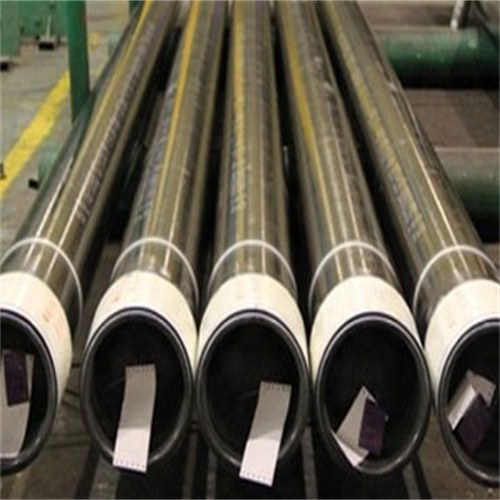
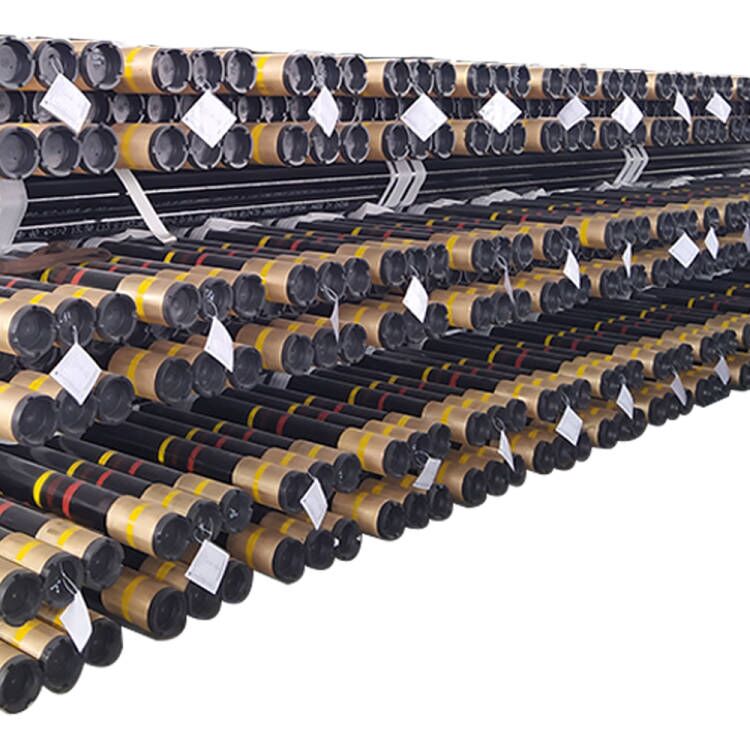
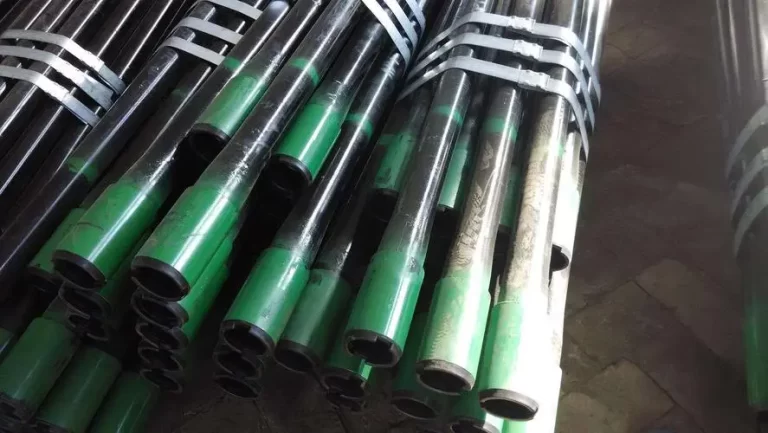
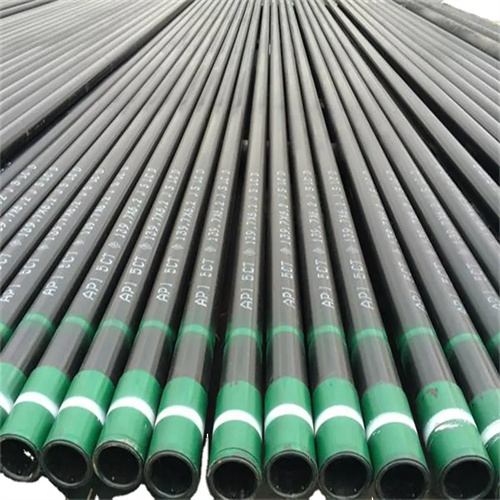
At its core, the primary advantage of ultra-strong corrosion-resistant Oil Casing lies in its ability to withstand the harsh conditions prevalent in deep-sea environments. Unlike conventional Materials, such as Carbon Steel, which are susceptible to corrosion and degradation over time, these advanced casings are engineered using high-performance alloys or composite materials that exhibit exceptional resistance to corrosion. This property not only extends the operational lifespan of the casing but also reduces the risk of environmental contamination from leaks or failures.
Moreover, the strength characteristics of these materials are paramount. Deep-sea drilling involves penetrating layers of rock and sediment under extreme pressure, necessitating casings that can withstand immense mechanical stresses without compromising structural integrity. Ultra-strong materials excel in this regard, offering superior tensile strength and toughness compared to their traditional counterparts. This strength not only ensures the integrity of the wellbore but also minimizes the need for costly Repairs and Maintenance, thereby optimizing operational efficiency and reducing downtime.
In addition to their mechanical properties, the lightWeight nature of these advanced materials is another significant advantage. Deep-sea drilling platforms operate under stringent weight limitations, and every component must be carefully optimized to maximize payload capacity without sacrificing performance. Ultra-strong corrosion-resistant oil casing, being lighter than conventional materials, contributes to overall weight savings, allowing for more efficient deployment and operation of drilling equipment.
Furthermore, the environmental benefits of using ultra-strong corrosion-resistant oil casing are substantial. By reducing the frequency of casing replacements and repairs, these materials contribute to a lower carbon footprint associated with deep-sea drilling operations. The enhanced durability also translates to fewer instances of casing failures, thereby minimizing the risk of accidental oil spills or leaks into the marine environment.
From a technological standpoint, the development of ultra-strong corrosion-resistant oil casing represents a significant leap forward in deep-sea drilling capabilities. It enables operators to access previously inaccessible reserves with greater confidence and efficiency, paving the way for contiNued exploration and production in offshore locations around the world.
Looking ahead, ongoing research and development efforts aim to further enhance the performance and capabilities of these materials. innovations in alloy compositions, manufacturing techniques, and coating technologies continue to drive advancements in Corrosion resistance, mechanical strength, and environmental sustainability.
In conclusion, ultra-strong corrosion-resistant oil casing stands as a glittering must-have in the realm of deep-sea drilling. Its unparalleled combination of durability, strength, and environmental benefits not only addresses the challenges posed by extreme deep-sea conditions but also supports the long-term viability and responsible stewardship of offshore energy resources. As the industry evolves, these advanced materials will undoubtedly remain indispensable in sh APIng the future of offshore exploration and production.
Innovations and Future Developments in Deep-Sea Drilling Technology
The demand for energy continues to drive advancements in deep-sea drilling technology, where the challenges of operating in extreme conditions necessitate innovative solutions. Among these solutions, ultra-strong corrosion-resistant oil casing has emerged as a crucial development, offering significant improvements in efficiency, safety, and environmental impact.
Deep-sea drilling operations often encounter harsh environments characterized by high pressures, corrosive substances, and extreme temperatures. These conditions present formidable challenges for traditional equipment and materials. In response, engineers and scientists have been developing advanced Oil casing materials that can withstand these hostile conditions while maintaining structural integrity and operational reliability.
One of the key innovations in this field is the use of ultra-strong materials such as high-grade alloys and composite materials. These materials are cHosen not only for their strength but also for their resistance to corrosion. Corrosion is a particularly insidious threat in deep-sea environments due to the presence of corrosive substances in the seabed and the harsh chemical interactions at extreme pressures and temperatures.
The development of corrosion-resistant coatings has further enhanced the durability of oil casing materials. These coatings provide an additional layer of protection against corrosive elements, extending the operational lifespan of drilling equipment and reducing maintenance costs. Moreover, they contribute to environmental sustainability by minimizing the risk of leaks and spills that could harm marine ecosystems.
oil Pipe costIn addition to durability and corrosion resistance, modern oil casing designs prioritize efficiency and ease of deployment. Advanced manufacturing techniques allow for the production of casing components that are not only strong and durable but also lightweight and easy to transport. This reduces logistical challenges and operational costs associated with deep-sea drilling projects.
Furthermore, the integration of sensor technology into oil casing systems represents another leap forward in deep-sea drilling innovation. Sensors embedded within the casing can provide real-time data on operating conditions such as pressure, temperature, and structural integrity. This data allows operators to monitor the performance of drilling equipment remotely and make informed decisions to optimize operations and ensure safety.
The adoption of ultra-strong corrosion-resistant oil casing is not just a technological advancement but also a strategic investment in the future of energy production. As traditional oil reserves become increasingly difficult to access, the ability to drill deeper and more efficiently becomes crucial. Advanced oil casing technologies enable operators to tap into previously inaccessible reserves safely and responsibly, thereby extending the lifespan of existing oil fields and supporting global energy demands.
Looking ahead, research and development in deep-sea drilling technology continue to push the boundaries of what is possible. Future innovations may include further improvements in material science to enhance the strength and corrosion resistance of oil casing, as well as advancements in robotics and automation to streamline drilling operations and minimize human intervention in hazardous environments.
In conclusion, the development of ultra-strong corrosion-resistant oil casing represents a significant milestone in the evolution of deep-sea drilling technology. By combining strength, durability, corrosion resistance, and efficiency, these innovations enable safer, more reliable, and more sustainable extraction of energy resources from the ocean floor. As global energy needs grow and environmental stewardship becomes increasingly important, continued investment in such technologies will play a pivotal role in shaping the future of offshore Oil and Gas exploration.