غلاف النفط في عمليات الحفر البحرية
تطبيقات الغلاف النفطي في استخراج النفط والغاز الصخري
في الختام، لا غنى عن غلاف النفط في استخراج النفط والغاز الصخريين، ودعم الوظائف الحيوية التي تضمن السلامة والكفاءة والمسؤولية البيئية للعمليات. من توفير السلامة الهيكلية واحتواء السوائل إلى دعم معدات قاع البئر وتسهيل التكسير الهيدروليكي، يلعب الغلاف دورًا متعدد الأوجه في تكوينات الصخر الزيتي. مع تقدم التكنولوجيا، يستمر تطور غلاف النفط في تحسين عملية الاستخراج، مما يؤكد من جديد أهميته الأساسية في مستقبل إنتاج الطاقة.
Applications of Oil Casing in Shale Oil and Gas Extraction
Oil casing plays a critical role in the extraction of shale oil and gas, serving multiple essential functions that ensure the efficiency and safety of operations. In the complex process of shale oil and gas extraction, the utilization of oil casing is indispensable across various applications.
At its core, oil casing provides structural integrity to the wellbore, safeguarding it against the pressures and stresses encountered during drilling and production. It creates a stable pathway for drilling fluids and tools, facilitating the Smooth operation of drilling equipment deep into the earth’s crust. This structural support is particularly crucial in shale formations, where the geological characteristics demand robust casing to withstand the intense conditions encountered.
Moreover, oil casing acts as a conduit for production fluids, such as oil, gas, and water, as they are extracted from the shale reservoirs. It ensures that these fluids are safely transported to the surface without Leakage or contamination, maintaining the integrity of the extraction process. The casing’s design and Material composition are tailored to withstand corrosive environments and high-pressure conditions typical of shale formations, thus ensuring long-term reliability.
In hydraulic fracturing, another key aspect of shale oil and gas extraction, oil casing serves as a barrier between the wellbore and the surrounding geological formations. This barrier prevents the unintended migration of fluids and gases, safeguarding groundwater resources and mitigating environmental risks. By isolating different geological layers, casing also helps optimize the hydraulic fracturing process, enhancing its effectiveness in stimulating shale reservoirs.
octg TubingFurthermore, the design and installation of oil casing are meticulously planned to meet regulatory standards and operational requirements specific to shale oil and gas extraction. Engineers and geoscientists collaborate to determine the optimal casing design based on the geological characteristics of the shale formation, ensuring maximum efficiency and safety throughout the well’s lifespan.
In addition to its primary functions, oil casing supports various downhole equipment essential for well operations. It accommodates devices such as Packers, sensors, and production tubing, enabling monitoring and control of reservoir conditions and production rates. This integration of casing with downhole equipment enhances operational flexibility and efficiency, allowing operators to adapt to changing reservoir dynamics and production demands.
Moreover, advancements in oil casing technology contiNue to drive innovation in shale oil and gas extraction. Improved materials, such as corrosion-resistant alloys and high-strength Steels, enhance casing performance and longevity in challenging environments. Innovations in casing design, including expandable and composite casings, offer greater flexibility and reliability in shale reservoirs with complex geological characteristics.
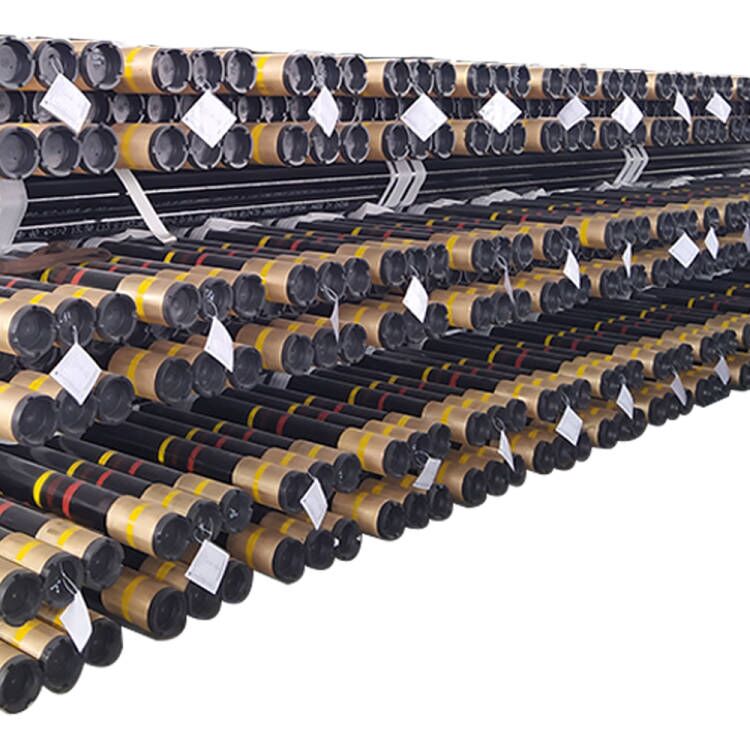
In conclusion, oil casing is indispensable in the extraction of shale oil and gas, supporting critical functions that ensure the safety, efficiency, and environmental responsibility of operations. From providing structural integrity and fluid containment to supporting downhole equipment and facilitating hydraulic fracturing, casing plays a multifaceted role in shale formations. As technology advances, the evolution of oil casing continues to optimize the extraction process, reaffirming its fundamental importance in the future of energy production.