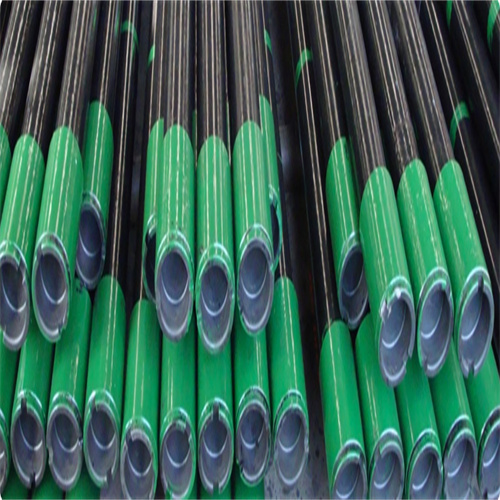
طلاءات المواد المحسنة لمتانة طويلة الأمد
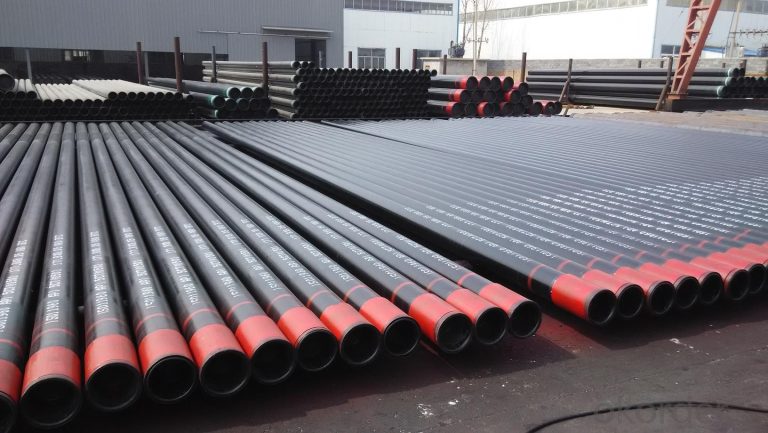
لقد دخل تطور تصميم غلاف الزيت في مرحلة تحويلية تتميز بدمج مواد الطلاء المحسنة التي تهدف إلى إطالة عمر الخدمة بشكل كبير. في مجال استخراج النفط وإنتاجه، تعد سلامة الغلاف أمرًا بالغ الأهمية لضمان الكفاءة التشغيلية والسلامة البيئية. على هذا النحو، يمثل تطوير واعتماد الطلاءات المتقدمة تقدمًا حاسمًا في الصناعة.
الابتكارات في تقنيات الختم

محرك الأقراص الجديد في تصميم غلاف الزيت من أجل عمر الخدمة
حالة 450 زيت ناقل الحركة
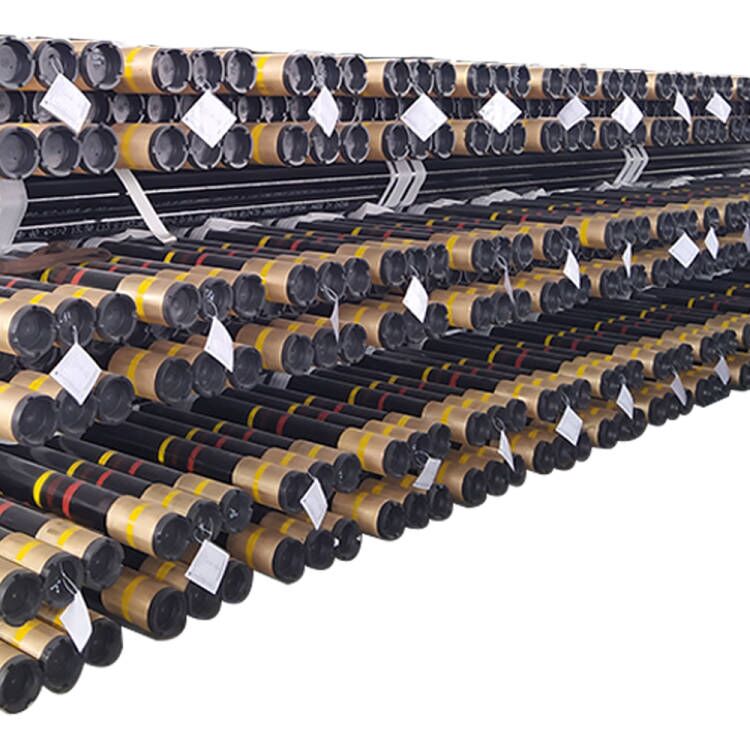
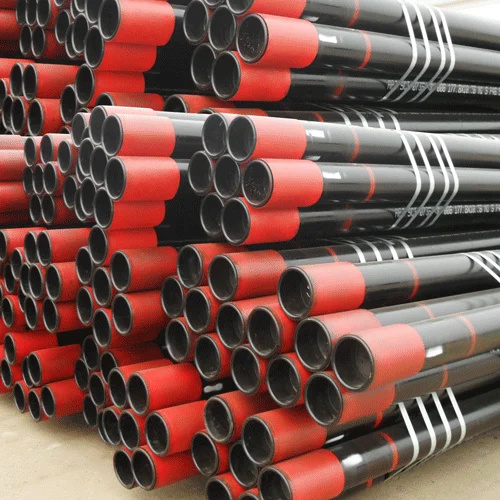
في مجال تصميم أغلفة الزيت، تعمل الابتكارات باستمرار على دفع حدود الكفاءة وطول العمر. أحد الجوانب الحاسمة التي تدفع هذه التطورات هو السعي إلى تعزيز عمر الخدمة. تلعب أغلفة النفط دورًا محوريًا في استخراج النفط ونقله، حيث يتعرض للضغوط الشديدة ودرجات الحرارة والبيئات المسببة للتآكل. على هذا النحو، فإن الحاجة إلى تصميمات أغلفة قوية يمكنها تحمل هذه الظروف دون المساس بالسلامة أو الكفاءة أمر بالغ الأهمية.
تقليديًا، تم تصنيع أغلفة الزيت من مواد مثل الفولاذ، والتي تم اختيارها لقوتها ومتانتها. ومع ذلك، ركزت الابتكارات الحديثة على تحسين هذه المواد بشكل أكبر، ودمج السبائك والطلاءات المتقدمة لتحسين مقاومة التآكل والتآكل الميكانيكي. لا يؤدي هذا التطور إلى إطالة العمر المتوقع للغلاف فحسب، بل يقلل أيضًا من تكاليف الصيانة ووقت التوقف التشغيلي.
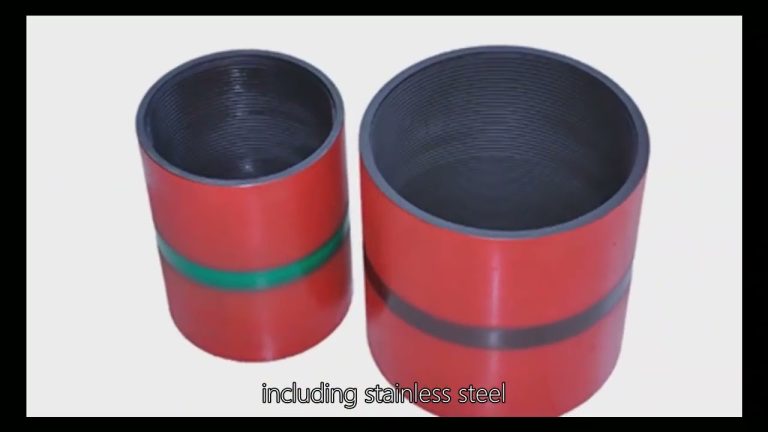
تكمن إحدى مجالات التطوير المهمة في تعزيز تقنيات الختم. تعتبر موانع التسرب مكونات مهمة داخل أغلفة الزيت، حيث تمنع تسرب الزيت أو الغاز وتحافظ على سلامة الضغط. أدت الابتكارات في تصميم الختم إلى تطوير اللدائن والمواد المركبة عالية الأداء التي تظهر مرونة فائقة ومقاومة كيميائية. تم تصميم هذه الأختام لتحمل الظروف القاسية التي تواجهها آبار النفط، مما يضمن الموثوقية على المدى الطويل ويقلل من مخاطر التلوث البيئي.
علاوة على ذلك، أحدث دمج التقنيات الذكية ثورة في ممارسات المراقبة والصيانة لأغلفة النفط. يمكن لأجهزة الاستشعار المدمجة داخل الغلاف توفير بيانات في الوقت الفعلي عن الضغط ودرجة الحرارة والسلامة الهيكلية. تتيح هذه المراقبة المستمرة استراتيجيات صيانة استباقية، مما يسمح للمشغلين بتحديد المشكلات المحتملة قبل أن تتصاعد إلى مشكلات مكلفة. من خلال الاستفادة من تحليلات البيانات والخوارزميات التنبؤية، يمكن للمشغلين تحسين أداء الغلاف وإطالة عمر الخدمة من خلال التدخلات والتعديلات في الوقت المناسب.
يركز مجال آخر من مجالات الابتكار على تصميم اتصالات الغلاف. هذه نقاط حاسمة حيث يتم ربط أقسام مختلفة من الغلاف معًا. لقد أفسحت الاتصالات المترابطة التقليدية المجال للتصميمات المتقدمة مثل الاتصالات المترابطة المتميزة والاتصالات غير المترابطة مثل الاتصالات ذات الحواف أو المزدوجة. تعمل هذه الابتكارات على تعزيز الموثوقية، وتقليل مخاطر التسربات، وتبسيط عمليات التركيب والإزالة، وبالتالي المساهمة في الكفاءة التشغيلية الشاملة والسلامة.
علاوة على ذلك، تعمل الاعتبارات البيئية بشكل متزايد على تشكيل تطور تصميم غلاف الزيت. هناك تركيز متزايد على الاستدامة وتقليل البصمة البيئية لعمليات استخراج النفط. تهدف الابتكارات في تصميم الأغلفة إلى تقليل استخدام المواد، وتحسين كفاءة استخدام الطاقة أثناء الإنتاج، وتنفيذ استراتيجيات إعادة التدوير والتخلص من الأغلفة المنتهية الصلاحية. لا تتوافق هذه المبادرات مع المتطلبات التنظيمية فحسب، بل تظهر أيضًا التزام الصناعة بالإشراف البيئي المسؤول. ومن خلال التقدم في المواد، وتقنيات الختم، وأنظمة المراقبة الذكية، وتصميمات الاتصال، والممارسات البيئية، تواصل الصناعة وضع معايير جديدة للموثوقية والأداء. مع تطور الطلب العالمي على الطاقة، تضمن هذه الابتكارات قدرة عمليات استخراج النفط على مواجهة تحديات المستقبل مع الحفاظ على السلامة والكفاءة والمسؤولية البيئية.
تمثل الابتكارات في تصميم أغلفة النفط حجر الزاوية للتقدم التكنولوجي في قطاع الطاقة، مما يعكس الالتزام بالتميز والتحسين المستمر. ومن خلال تبني هذه الابتكارات، لا تحمي الصناعة سلامتها التشغيلية فحسب، بل تساهم أيضًا في تحقيق الأهداف الأوسع لأمن الطاقة والتنمية المستدامة على نطاق عالمي.
In the realm of Oil Casing design, innovations are constantly pushing the boundaries of efficiency and longevity. One of the critical aspects driving these advancements is the quest to enhance service life. Oil casings play a pivotal role in the extraction and transportation of oil, subjected to extreme pressures, temperatures, and corrosive environments. As such, the need for robust casing designs that can withstand these conditions without compromising safety or efficiency is paramount.
Traditionally, oil casings have been constructed from Materials like Steel, cHosen for their strength and durability. However, recent innovations have focused on optimizing these materials further, incorporating advanced alloys and coatings to improve resistance to corrosion and mechanical wear. This evolution not only extends the life expectancy of the casing but also reduces Maintenance costs and operational downtime.
A significant area of development lies in the enhancement of Sealing technologies. Seals are critical components within oil casings, preventing Leakage of oil or Gas and maintaining pressure integrity. Innovations in seal design have led to the development of high-performance elastomers and composite materials that exhibit superior resilience and chemical resistance. These seals are engineered to withstand the harsh conditions encountered in Oil Wells, ensuring long-term reliability and minimizing the risk of environmental contamination.
Moreover, the integration of smart technologies has revolutionized monitoring and maintenance practices for oil casings. Sensors embedded within the casing can provide real-time data on pressure, temperature, and structural integrity. This continuous monitoring enables proactive maintenance strategies, allowing operators to identify potential issues before they escalate into costly problems. By leveraging data analytics and predictive algorithms, operators can optimize casing performance and extend service life through timely interventions and adjustments.
Another area of innovation focuses on the design of casing Connections. These are crucial points where different sections of casing are joined together. Traditional Threaded connections have given way to advanced designs such as premium threaded connections and non-threaded connections like flanged or coupled connections. These innovations enhance reliability, reduce the risk of leaks, and simplify installation and removal processes, thereby contributing to overall operational efficiency and safety.
Furthermore, environmental considerations are increasingly sh APIng the evolution of oil casing design. There is a growing emphasis on sustainability and reducing the environmental footprint of oil extraction operations. Innovations in casing design aim to minimize material usage, optimize energy efficiency during production, and implement recycling and disposal strategies for end-of-life casings. These initiatives not only align with regulatory requirements but also demonstrate the industry’s commitment to responsible environmental stewardship.
In conclusion, the evolution of oil casing design is driven by a relentless pursuit of enhancing service life, operational efficiency, and environmental sustainability. Through advancements in materials, sealing technologies, smart monitoring systems, connection designs, and environmental practices, the industry contiNues to set new standards for reliability and performance. As global energy demands evolve, these innovations ensure that oil extraction operations can meet the challenges of the future while maintaining safety, efficiency, and environmental responsibility.
Innovations in oil casing design represent a cornerstone of technological progress within the energy sector, reflecting a commitment to excellence and continuous improvement. By embracing these innovations, the industry not only safeguards its operational integrity but also contributes to the broader goals of energy security and sustainable development on a global scale.