مزايا تقنية التغليف الحديثة في استخلاص الزيت
الابتكارات في تصميم أغلفة النفط: تعزيز الكفاءة في آبار النفط
أحد التحولات الهامة في تصميم الغلاف يكمن في المواد المستخدمة. أغلفة الفولاذ التقليدية، رغم قوتها، لها حدود في الظروف القاسية مثل خزانات الضغط العالي أو البيئات المسببة للتآكل. لقد تحول المبتكرون إلى مواد متقدمة مثل السبائك المقاومة للتآكل والمواد المركبة التي توفر متانة معززة وطول العمر. لا تتحمل هذه المواد الظروف القاسية بشكل أفضل فحسب، بل تساهم أيضًا في إطالة عمر البئر وتقليل الصيانة، وبالتالي تحسين تكاليف التشغيل على المدى الطويل.
علاوة على ذلك، تطور تصميم وهندسة أنظمة التغليف لتلبية التحديات الجيولوجية المحددة. على سبيل المثال، تسمح أنظمة الغلاف القابلة للتعديل بتقسيم المناطق بشكل انتقائي وعزلها داخل حفرة البئر، مما يسهل إدارة الخزان بشكل أكثر كفاءة وتحسين الإنتاج. من خلال دمج أجهزة الاستشعار والتقنيات الذكية في تصميمات الغلاف، يمكن للمهندسين مراقبة ظروف البئر في الوقت الفعلي، مما يتيح الصيانة الاستباقية والتعديلات التشغيلية، وبالتالي تقليل وقت التوقف عن العمل وتعزيز الإنتاجية.
علاوة على ذلك، دفع التركيز على الاستدامة الابتكارات في تصميم الغلاف نحو تقليل البصمة البيئية. تهدف تقنيات التثبيت المتقدمة ومواد التغليف الصديقة للبيئة إلى تقليل التسرب وتعزيز سلامة الاحتواء، وهو أمر ضروري لمنع التلوث البيئي. يستكشف المبتكرون أيضًا تصميمات تسهل إعادة التدوير أو إعادة استخدام مواد التغليف بعد دورة حياتها التشغيلية – وهي خطوة نحو تحقيق ممارسات أكثر استدامة لاستخراج النفط.
التأثيرات البيئية لتقنيات التغليف المتقدمة في استخلاص الزيت
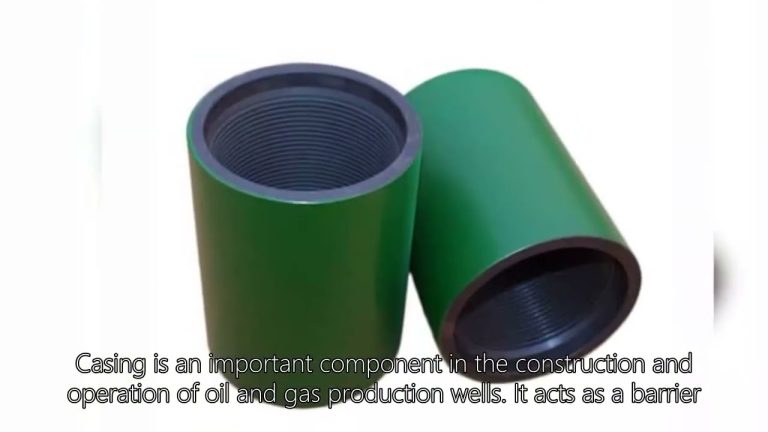
تمثل تقنيات التغليف المتقدمة في استخراج النفط تحولًا كبيرًا في الصناعة، مما يعد بتعزيز الكفاءة وتقليل التأثير البيئي. لقد تطور الغلاف، وهو مكون هيكلي تقليدي في آبار النفط، إلى أداة حاسمة لتحسين عمليات الاستخراج وتخفيف المخاطر البيئية.
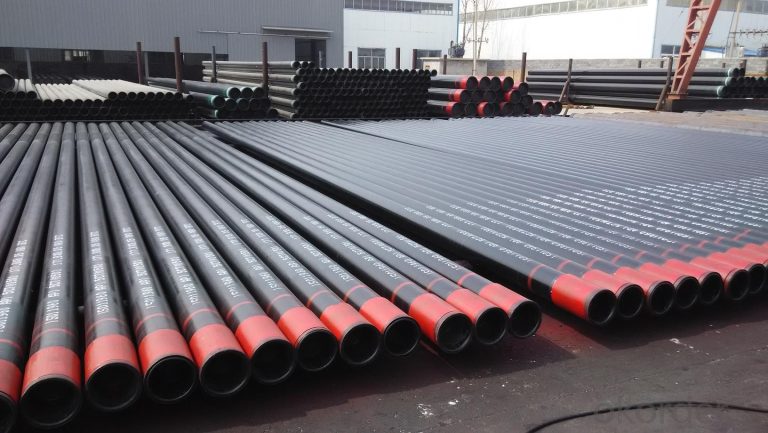
الأنابيب الفولاذية أفضل مصدر صيني تاريخياً، واجهت عمليات استخراج النفط التدقيق بسبب بصمتها البيئية، لا سيما فيما يتعلق بتلوث المياه والتربة. ، فضلا عن انبعاثات الغازات الدفيئة. وعلى الرغم من فعالية أساليب التغليف التقليدية، إلا أنها غالبًا ما تفشل في معالجة هذه المخاوف بشكل شامل. ومع ذلك، أحدثت التطورات الحديثة في تكنولوجيا الأغلفة ثورة في أسلوب استخراج النفط.
يكمن أحد الابتكارات الأساسية في تطوير المواد والتصميمات المتقدمة للأغلفة. تم تصميم هذه الأغلفة الحديثة لتحمل الضغوط العالية ودرجات الحرارة العميقة داخل الأرض، وبالتالي تقليل التسربات والانسكابات التي قد تعرض النظم البيئية المحيطة للخطر. من خلال منع تسرب النفط والمواد الكيميائية إلى خزانات المياه الجوفية، تساعد هذه الأغلفة في الحفاظ على جودة المياه – وهي مورد أساسي للاستهلاك البشري والصحة البيئية.
علاوة على ذلك، تساهم تقنيات التغليف المتقدمة في الكفاءة الشاملة لعمليات استخراج النفط. ومن خلال الحفاظ على سلامة حفرة البئر على مدى فترات طويلة، فإنها تقلل من تكرار عمليات إيقاف التشغيل والإصلاحات، وبالتالي تحسين مخرجات الإنتاج. لا تعمل هذه الكفاءة على تعزيز الربحية التشغيلية فحسب، بل تقلل أيضًا من الحاجة إلى عمليات حفر إضافية، مما قد يؤدي إلى إزعاج الموائل الحساسة والحياة البرية.
علاوة على ذلك، تلعب هذه الأغلفة دورًا محوريًا في تنفيذ تقنيات الاستخلاص المعزز للنفط (EOR). تعتمد طرق الاستخلاص المعزز للنفط، مثل حقن البخار والغمر الكيميائي، على سلامة حفرة البئر الدقيقة لزيادة فعاليتها إلى أقصى حد. تضمن قوة الأغلفة المتقدمة إمكانية تطبيق هذه التقنيات بأمان وكفاءة، مما يؤدي إلى إنتاجية أعلى من النفط القابل للاسترداد من الخزانات الموجودة.
بالإضافة إلى مزاياها الميكانيكية، تساهم الأغلفة المتقدمة في اتباع نهج أكثر استدامة لاستخراج النفط عن طريق تقليل التأثير البيئي الشامل للصناعة. إن دمج المواد المقاومة للتآكل وتقنيات الأسمنت المحسنة يقلل من مخاطر فشل الآبار والانبعاث العرضي للملوثات. لا يحمي هذا النهج الاستباقي النظم البيئية الطبيعية فحسب، بل يعزز أيضًا سمعة الصناعة في سعيها نحو تحقيق قدر أكبر من المسؤولية البيئية.
يتطلب الانتقال إلى تقنيات التغليف المتقدمة هذه التعاون بين أصحاب المصلحة في الصناعة والمنظمين والمدافعين عن البيئة. ومن خلال وضع معايير صارمة والاستثمار في البحث والتطوير، يمكن لأصحاب المصلحة ضمان استمرار هذه التقنيات في التطور نحو قدر أكبر من الكفاءة والاستدامة.
وبالنظر إلى المستقبل، فإن اعتماد تقنيات التغليف المتقدمة يستعد لإعادة تحديد مستقبل استخراج النفط. ومع تزايد الطلب العالمي على الطاقة، تتزايد أيضاً ضرورة تحقيق التوازن بين التنمية الاقتصادية والإشراف البيئي. تمثل الأغلفة المتقدمة خطوة حاسمة نحو تحقيق هذا التوازن، مما يوفر طريقًا لإدارة الموارد بشكل أكثر مسؤولية وممارسات الطاقة المستدامة.
في الختام، فإن التحول الذي أحدثته تقنيات التغليف المتقدمة في استخراج النفط عميق ومتعدد الأوجه. ومن خلال تعزيز الكفاءة التشغيلية، وتقليل المخاطر البيئية، ودعم الممارسات المستدامة، تجسد هذه التقنيات التزام الصناعة بالابتكار والرعاية البيئية. ومع استمرار تطور التكنولوجيا، ستتزايد أيضًا إمكانية إجراء المزيد من التحسينات في كفاءة واستدامة عمليات استخراج النفط في جميع أنحاء العالم
 In tandem with these technological advancements, computational modeling and simulation have revolutionized Casing design processes. Engineers can now predict casing performance under various conditions with greater accuracy, allowing for more informed decisions in design and deployment. This predictive capability not only enhances safety and reliability but also contributes to optimizing well productivity and overall operational efficiency.
In conclusion, the evolution of casing design represents a transformative shift in the Oil extraction industry, driven by a blend of technological innovation, sustainability imperatives, and operational efficiency goals. From advanced Materials and smart technologies to enhanced environmental stewardship and predictive modeling, these innovations are not only resh APIng the capabilities of Oil Wells but also setting new benchmarks for industry standards. As oil extraction contiNues to face evolving challenges and opportunities, the ongoing evolution in casing design stands as a testament to the industry’s commitment to innovation and sustainability in meeting global energy demands.
Environmental Impacts of Advanced Casing Techniques in Oil Extraction
Advanced casing techniques in oil extraction represent a significant transformation in the industry, promising both enhanced efficiency and reduced environmental impact. Casing, traditionally a structural component in oil wells, has evolved into a crucial tool for optimizing extraction processes and mitigating environmental risks.
Steel Pipe Best chinese ExporterHistorically, oil extraction operations have faced scrutiny for their environmental footprint, particularly concerning water and soil contamination, as well as greenhouse Gas emissions. Traditional casing methods, while effective, often fell short in addressing these concerns comprehensively. However, recent advancements in casing technology have revolutionized the approach to oil extraction.
One of the primary innovations lies in the development of advanced materials and designs for casings. These modern casings are engineered to withstand high pressures and temperatures deep within the earth, thereby minimizing leaks and spills that could endanger surrounding ecosystems. By preventing the seepage of oil and chemicals into groundwater reservoirs, these casings help preserve water quality—an essential resource for both human consumption and ecological health.
Moreover, advanced casing techniques contribute to the overall efficiency of oil extraction operations. By maintaining the integrity of the wellbore over extended periods, they reduce the frequency of Maintenance shutdowns and Repairs, thus optimizing production outputs. This efficiency not only enhances operational profitability but also minimizes the need for additional drilling, which can disturb sensitive habitats and wildlife.
Furthermore, these casings play a pivotal role in the implementation of enhanced oil recovery (EOR) techniques. EOR methods, such as steam injection and chemical flooding, rely on precise wellbore integrity to maximize their effectiveness. The robustness of advanced casings ensures that these techniques can be applied safely and efficiently, leading to higher yields of recoverable oil from existing reservoirs.
In addition to their mechanical advantages, advanced casings contribute to a more sustainable approach to oil extraction by reducing the industry’s overall environmental impact. The incorporation of corrosion-resistant materials and improved Cementing techniques minimizes the risk of well failures and accidental releases of pollutants. This proactive approach not only safeguards natural ecosystems but also enhances the industry’s reputation as it strives towards greater environmental responsibility.
Transitioning to these advanced casing techniques requires collaboration between industry stakeholders, regulators, and environmental advocates. By setting stringent standards and investing in research and development, stakeholders can ensure that these technologies continue to evolve towards even greater efficiency and sustainability.
Looking ahead, the adoption of advanced casing techniques is poised to redefine the future of oil extraction. As global energy demands grow, so too does the imperative to balance economic development with environmental stewardship. Advanced casings represent a crucial step towards achieving this equilibrium, offering a pathway to more responsible resource management and sustainable energy practices.
In conclusion, the transformation brought about by advanced casing techniques in oil extraction is profound and multifaceted. By enhancing operational efficiency, minimizing environmental risks, and supporting sustainable practices, these technologies exemplify the industry’s commitment to innovation and environmental stewardship. As technology continues to evolve, so too will the potential for further improvements in both the efficiency and sustainability of oil extraction operations worldwide.