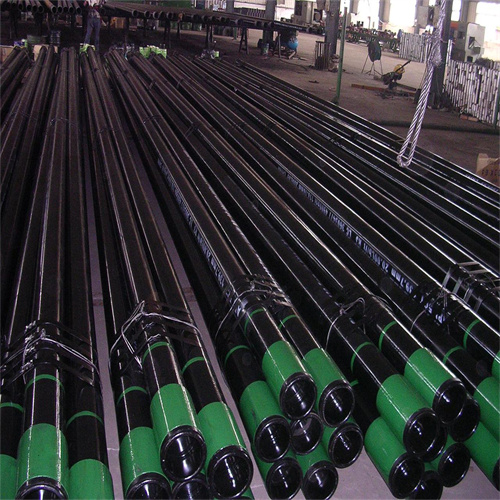
Avantages de la technologie moderne du tubage dans l’extraction du pétrole
innovations dans la conception des tubages : amélioration de l’efficacité des puits de pétrole
Impacts environnementaux des techniques avancées de tubage dans l’extraction pétrolière
Les techniques avancées de tubage dans l’extraction du pétrole représentent une transformation significative dans l’industrie, promettant à la fois une efficacité accrue et un impact réduit sur l’environnement. Le tubage, traditionnellement un élément structurel des puits de pétrole, est devenu un outil crucial pour optimiser les processus d’extraction et attéNuer les risques environnementaux.
tuyaux en acier Meilleur exportateur chinois Historiquement, les opérations d’extraction de pétrole ont été soumises à un examen minutieux pour leur empreinte environnementale, en particulier en ce qui concerne la contamination de l’eau et du sol. , ainsi que les émissions de gaz à effet de serre. Les méthodes de tubage traditionnelles, bien qu’efficaces, ne parviennent souvent pas à répondre de manière globale à ces problèmes. Cependant, les progrès récents dans la technologie des tubages ont révolutionné l’approche de l’extraction pétrolière.
L’une des principales innovations réside dans le développement de matériaux et de conceptions avancés pour les tubages. Ces boîtiers modernes sont conçus pour résister à des pressions et des températures élevées au plus profond de la terre, minimisant ainsi les fuites et les déversements susceptibles de mettre en danger les écosystèmes environnants. En empêchant l’infiltration de pétrole et de produits chimiques dans les réservoirs d’eau souterraine, ces tubages contribuent à préserver la qualité de l’eau, une ressource essentielle à la fois pour la consommation humaine et la santé écologique.
De plus, les techniques avancées de tubage contribuent à l’efficacité globale des opérations d’extraction pétrolière. En maintenant l’intégrité du puits de forage sur des périodes prolongées, ils réduisent la fréquence des arrêts pour Maintenance et des réparations, optimisant ainsi les rendements de production. Cette efficacité améliore non seulement la rentabilité opérationnelle, mais minimise également le besoin de forages supplémentaires, qui peuvent perturber les habitats et la faune sensibles.
De plus, ces tubages jouent un rôle central dans la mise en œuvre de techniques de récupération assistée du pétrole (EOR). Les méthodes EOR, telles que l’injection de vapeur et l’inondation chimique, reposent sur une intégrité précise du puits de forage pour maximiser leur efficacité. La robustesse des boîtiers avancés garantit que ces techniques peuvent être appliquées de manière sûre et efficace, conduisant à des rendements plus élevés de pétrole récupérable à partir des réservoirs existants.
En plus de leurs avantages mécaniques, les boîtiers avancés contribuent à une approche plus durable de l’extraction pétrolière en réduisant la l’impact environnemental global de l’industrie. L’incorporation de matériaux résistant à la corrosion et de techniques de cimentation améliorées minimise le risque de défaillance des puits et de rejets accidentels de polluants. Cette approche proactive non seulement protège les écosystèmes naturels, mais améliore également la réputation de l’industrie alors qu’elle s’efforce d’atteindre une plus grande responsabilité environnementale.
La transition vers ces techniques avancées de tubage nécessite une collaboration entre les parties prenantes de l’industrie, les régulateurs et les défenseurs de l’environnement. En établissant des normes strictes et en investissant dans la recherche et le développement, les parties prenantes peuvent garantir que ces technologies continuent d’évoluer vers une efficacité et une durabilité encore plus grandes.
À l’avenir, l’adoption de techniques avancées de tubage est sur le point de redéfinir l’avenir de l’extraction pétrolière. À mesure que la demande mondiale d’énergie augmente, il est également impératif d’équilibrer le développement économique et la gestion de l’environnement. Les tubages avancés représentent une étape cruciale vers la réalisation de cet équilibre, ouvrant la voie à une gestion plus responsable des ressources et à des pratiques énergétiques durables.
En conclusion, la transformation provoquée par les techniques avancées de tubage dans l’extraction pétrolière est profonde et multiforme. En améliorant l’efficacité opérationnelle, en minimisant les risques environnementaux et en soutenant des pratiques durables, ces technologies illustrent l’engagement de l’industrie envers l’innovation et la gestion de l’environnement. À mesure que la technologie continue d’évoluer, le potentiel d’amélioration de l’efficacité et de la durabilité des opérations d’extraction pétrolière dans le monde entier augmentera également.
One of the significant transformations in Casing design lies in the Materials used. Traditional Steel casings, while robust, have limitations in extreme conditions such as high-pressure reservoirs or corrosive environments. Innovators have turned to advanced materials like corrosion-resistant alloys and composite materials that offer enhanced durability and longevity. These materials not only withstand harsh conditions better but also contribute to prolonged well life and reduced maintenance, thereby optimizing operational costs over the long term.
Moreover, the design and engineering of casing systems have evolved to cater to specific geological challenges. Adjustable casing systems, for instance, allow for selective zoning and isolation within the wellbore, facilitating more efficient reservoir management and production optimization. By integrating sensors and smart technologies into casing designs, engineers can monitor well conditions in real-time, enabling proactive maintenance and operational adjustments, thereby minimizing downtime and enhancing productivity.
Furthermore, the emphasis on sustainability has driven innovations in casing design towards reducing environmental footprint. Advanced Cementing techniques and eco-friendly casing materials aim to minimize Leakage and enhance containment integrity, crucial for preventing environmental contamination. Innovators are also exploring designs that facilitate easier recycling or repurposing of casing materials after their operational lifecycle\—a step towards achieving more sustainable Oil extraction practices.
 In tandem with these technological advancements, computational modeling and simulation have revolutionized casing design processes. Engineers can now predict casing performance under various conditions with greater accuracy, allowing for more informed decisions in design and deployment. This predictive capability not only enhances safety and reliability but also contributes to optimizing well productivity and overall operational efficiency.
In conclusion, the evolution of casing design represents a transformative shift in the oil extraction industry, driven by a blend of technological innovation, sustainability imperatives, and operational efficiency goals. From advanced materials and smart technologies to enhanced environmental stewardship and predictive modeling, these innovations are not only resh APIng the capabilities of Oil Wells but also setting new benchmarks for industry standards. As oil extraction continues to face evolving challenges and opportunities, the ongoing evolution in casing design stands as a testament to the industry’s commitment to innovation and sustainability in meeting global energy demands.
Environmental Impacts of Advanced Casing Techniques in Oil Extraction
Advanced casing techniques in oil extraction represent a significant transformation in the industry, promising both enhanced efficiency and reduced environmental impact. Casing, traditionally a structural component in oil wells, has evolved into a crucial tool for optimizing extraction processes and mitigating environmental risks.
Steel Pipe Best chinese ExporterHistorically, oil extraction operations have faced scrutiny for their environmental footprint, particularly concerning water and soil contamination, as well as greenhouse Gas emissions. Traditional casing methods, while effective, often fell short in addressing these concerns comprehensively. However, recent advancements in casing technology have revolutionized the approach to oil extraction.
One of the primary innovations lies in the development of advanced materials and designs for casings. These modern casings are engineered to withstand high pressures and temperatures deep within the earth, thereby minimizing leaks and spills that could endanger surrounding ecosystems. By preventing the seepage of oil and chemicals into groundwater reservoirs, these casings help preserve water quality\—an essential resource for both human consumption and ecological health.
Moreover, advanced casing techniques contribute to the overall efficiency of oil extraction operations. By maintaining the integrity of the wellbore over extended periods, they reduce the frequency of maintenance shutdowns and Repairs, thus optimizing production outputs. This efficiency not only enhances operational profitability but also minimizes the need for additional drilling, which can disturb sensitive habitats and wildlife.
Furthermore, these casings play a pivotal role in the implementation of enhanced oil recovery (EOR) techniques. EOR methods, such as steam injection and chemical flooding, rely on precise wellbore integrity to maximize their effectiveness. The robustness of advanced casings ensures that these techniques can be applied safely and efficiently, leading to higher yields of recoverable oil from existing reservoirs.
In addition to their mechanical advantages, advanced casings contribute to a more sustainable approach to oil extraction by reducing the industry’s overall environmental impact. The incorporation of corrosion-resistant materials and improved cementing techniques minimizes the risk of well failures and accidental releases of pollutants. This proactive approach not only safeguards natural ecosystems but also enhances the industry’s reputation as it strives towards greater environmental responsibility.
Transitioning to these advanced casing techniques requires collaboration between industry stakeholders, regulators, and environmental advocates. By setting stringent standards and investing in research and development, stakeholders can ensure that these technologies continue to evolve towards even greater efficiency and sustainability.
Looking ahead, the adoption of advanced casing techniques is poised to redefine the future of oil extraction. As global energy demands grow, so too does the imperative to balance economic development with environmental stewardship. Advanced casings represent a crucial step towards achieving this equilibrium, offering a pathway to more responsible resource management and sustainable energy practices.
In conclusion, the transformation brought about by advanced casing techniques in oil extraction is profound and multifaceted. By enhancing operational efficiency, minimizing environmental risks, and supporting sustainable practices, these technologies exemplify the industry’s commitment to innovation and environmental stewardship. As technology continues to evolve, so too will the potential for further improvements in both the efficiency and sustainability of oil extraction operations worldwide.