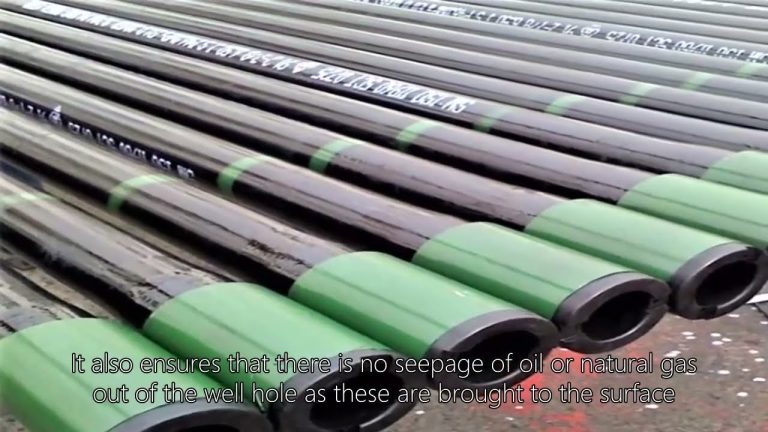
التحديات في مستقبل تكنولوجيا أغلفة الزيت
تلعب تكنولوجيا أغلفة النفط دوراً حاسماً في استخراج وإنتاج موارد النفط والغاز. ومع استمرار تطور الصناعة، تظهر تحديات وفرص جديدة تشكل مستقبل تكنولوجيا أغلفة النفط. أحد التحديات الرئيسية التي تواجه الصناعة هو الحاجة إلى مواد تغليف يمكنها تحمل ظروف التشغيل القاسية. مع حفر آبار النفط بشكل أعمق وفي بيئات أكثر تحديًا، أصبح الطلب على مواد التغليف عالية الأداء أكبر من أي وقت مضى.
يظل التآكل مصدر قلق كبير في تكنولوجيا أغلفة النفط. يمكن أن تؤدي الطبيعة المسببة للتآكل لخزانات النفط والغاز إلى تدهور مواد التغليف بمرور الوقت، مما يضر بسلامة البئر. يعد تطوير مواد مقاومة للتآكل يمكنها تحمل الظروف القاسية في قاع البئر أمرًا ضروريًا لضمان طول عمر وموثوقية آبار النفط.
التحدي الآخر في مستقبل تكنولوجيا أغلفة النفط هو التعقيد المتزايد لتصميمات الآبار. وبما أن المشغلين يستهدفون الخزانات في التكوينات غير التقليدية ويستخدمون تقنيات الحفر المتقدمة، فإن الحاجة إلى أنظمة التغليف التي يمكنها استيعاب هذه البنى المعقدة للآبار تصبح ذات أهمية قصوى. يعد تصميم سلاسل الغلاف التي يمكنها التنقل بين الخلوصات الضيقة والضغوط العالية ودرجات الحرارة القصوى تحديًا يتطلب حلولًا مبتكرة.
الفرص في مستقبل تكنولوجيا أغلفة الزيت
هناك مجال آخر للفرص وهو دمج التقنيات الذكية في تصميم أغلفة النفط. يمكن للأغلفة الذكية المجهزة بأجهزة استشعار وأنظمة مراقبة أن توفر بيانات في الوقت الفعلي عن ظروف البئر وسلامتها وأدائها. يمكن أن تساعد هذه البيانات المشغلين على تحسين الإنتاج واكتشاف المشكلات المحتملة مبكرًا وتحسين الإدارة الشاملة للآبار. من خلال تبني الرقمنة والأتمتة، يمكن لصناعة النفط والغاز تعزيز السلامة والكفاءة والاستدامة البيئية.
علاوة على ذلك، يوفر مستقبل تكنولوجيا أغلفة النفط فرصًا لتحسين تقنيات بناء الآبار وإكمالها. يمكن أن تساعد الابتكارات مثل الأغلفة القابلة للتوسيع، والأغلفة سابقة الإجهاد، والتعبئة القابلة للانتفاخ في تعزيز استقرار حفرة البئر، وعزل المناطق، والوصول إلى الخزان. تتيح هذه التقنيات للمشغلين زيادة معدلات الإنتاج إلى أقصى حد، وتقليل التأثير البيئي، وإطالة عمر أصول النفط والغاز.
بالإضافة إلى التقدم التكنولوجي، يقدم مستقبل تكنولوجيا أغلفة النفط أيضًا فرصًا للتعاون وتبادل المعرفة. يمكن للشراكات الصناعية، واتحادات البحث، والتعاون الأكاديمي أن تسهل تبادل الأفكار وأفضل الممارسات والدروس المستفادة. من خلال العمل معًا، يمكن لأصحاب المصلحة مواجهة التحديات المشتركة، ودفع الابتكار، وتشكيل مستقبل تكنولوجيا أغلفة النفط بطريقة مستدامة ومسؤولة.
علاوة على ذلك، فإن التركيز المتزايد على الإشراف البيئي والامتثال التنظيمي يدفع إلى تطوير أغلفة صديقة للبيئة. الحلول. أصبحت المواد القابلة للتحلل الحيوي، والأغلفة القابلة لإعادة التدوير، وعمليات التصنيع منخفضة الانبعاثات أكثر انتشارًا في الصناعة. من خلال إعطاء الأولوية للاستدامة والمسؤولية البيئية، لا تستطيع الشركات تلبية المتطلبات التنظيمية فحسب، بل يمكنها أيضًا تعزيز سمعتها وترخيصها الاجتماعي للعمل.
في الختام، فإن مستقبل تكنولوجيا أغلفة النفط مليء بفرص الابتكار والتعاون والاستدامة. ومن خلال تبني المواد المتقدمة والتقنيات الذكية وتقنيات البناء المحسنة والإشراف البيئي، يمكن للصناعة التغلب على التحديات وتمهيد الطريق لقطاع النفط والغاز الأكثر كفاءة وأمانًا وصديقًا للبيئة. مع استمرار الشركات في الاستثمار في البحث والتطوير والشراكات، فإن مستقبل تكنولوجيا أغلفة النفط يحمل وعدًا كبيرًا للصناعة ومشهد الطاقة العالمي.
Oil Casing technology plays a crucial role in the Oil and Gas industry, providing structural support and protection for wells during drilling and production operations. As the industry contiNues to evolve, the future of oil casing technology presents both challenges and opportunities for innovation and advancement.
One of the key opportunities in the future of oil casing technology lies in the development of advanced Materials. Traditional casing materials such as Steel have been the industry standard for decades, but there is a growing need for materials that can withstand higher temperatures, pressures, and corrosive environments. By investing in research and development, Companies can explore the use of composite materials, alloys, and coatings to enhance the performance and longevity of oil casings.
 Another area of opportunity is the integration of smart technologies into oil casing design. Smart casings equipped with sensors and monitoring systems can provide real-time data on well conditions, integrity, and performance. This data can help operators optimize production, detect potential issues early, and improve overall well management. By embracing digitalization and automation, the oil and gas industry can enhance safety, efficiency, and environmental sustainability.
Furthermore, the future of oil casing technology offers opportunities for improved well Construction and completion techniques. Innovations such as expandable casings, pre-stressed casings, and Swellable Packers can help enhance wellbore stability, zonal isolation, and reservoir access. These technologies enable operators to maximize production rates, minimize environmental impact, and extend the life of oil and gas assets.
In addition to technological advancements, the future of oil casing technology also presents opportunities for collaboration and knowledge sharing. Industry partnerships, research consortia, and academic collaborations can facilitate the exchange of ideas, best practices, and lessons learned. By working together, stakeholders can address common challenges, drive innovation, and shape the future of oil casing technology in a sustainable and responsible manner.
Moreover, the increasing focus on environmental stewardship and regulatory compliance is driving the development of eco-friendly casing solutions. Biodegradable materials, recyclable casings, and reduced-emission manufacturing processes are becoming more prevalent in the industry. By prioritizing sustainability and environmental responsibility, companies can not only meet regulatory requirements but also enhance their reputation and social license to operate.
In conclusion, the future of oil casing technology is filled with opportunities for innovation, collaboration, and sustainability. By embracing advanced materials, smart technologies, improved construction techniques, and environmental stewardship, the industry can overcome challenges and pave the way for a more efficient, safe, and environmentally friendly oil and gas sector. As companies continue to invest in research, development, and partnerships, the future of oil casing technology holds great promise for the industry and the global energy landscape.