Challenges in the Future of Oil Casing Technology
Oil casing technology plays a crucial role in the extraction and production of Oil and Gas resources. As the industry contiNues to evolve, new challenges and opportunities emerge that shape the future of oil casing technology. One of the primary challenges facing the industry is the need for casing Materials that can withstand harsh operating conditions. With Oil Wells being drilled deeper and in more challenging environments, the demand for high-performance casing materials has never been greater.
Corrosion remains a significant concern in oil casing technology. The corrosive nature of oil and gas reservoirs can lead to the degradation of casing materials over time, compromising the integrity of the well. Developing corrosion-resistant materials that can withstand the aggressive conditions downhole is essential for ensuring the longevity and reliability of oil wells.
Another challenge in the future of oil casing technology is the increasing complexity of well designs. As operators target reservoirs in unconventional formations and employ advanced drilling techniques, the need for casing systems that can accommodate these complex well architectures becomes paramount. Designing Casing strings that can navigate tight clearances, high pressures, and extreme temperatures is a challenge that requires innovative solutions.
Furthermore, the industry is facing growing environmental and regulatory pressures, which are driving the demand for more sustainable oil casing practices. Minimizing the environmental impact of oil and gas operations, including casing installation and removal, is becoming a priority for operators around the world. Developing eco-friendly casing materials and implementing efficient casing design practices are key steps towards achieving greater sustainability in the industry.
On the flip side, these challenges also present opportunities for innovation and advancement in oil casing technology. Research and development efforts are focused on creating novel materials with enhanced mechanical properties and Corrosion resistance. Advanced coating technologies are being explored to provide additional protection against corrosion and wear, extending the lifespan of casing strings.
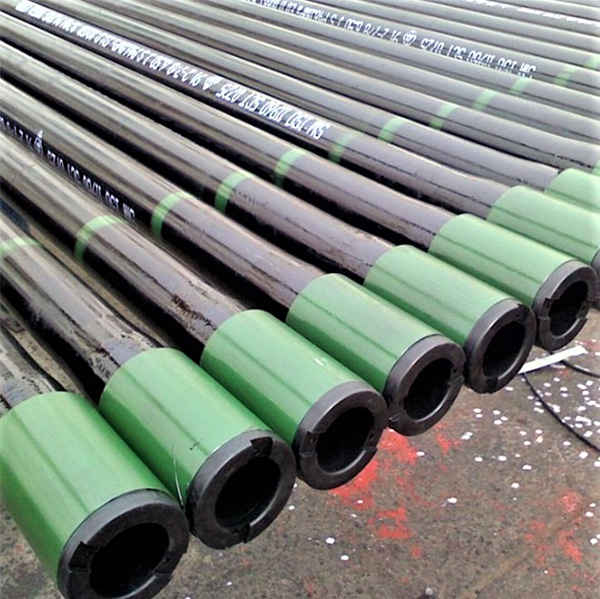
API 5ct l80 CASING wholesale PriceMoreover, digitalization and automation are revolutionizing the way oil casing operations are conducted. From real-time monitoring of casing integrity to predictive Maintenance algorithms, digital technologies offer new possibilities for optimizing well performance and reducing operational costs. Integrating smart sensors and data analytics into casing systems can provide valuable insights into well conditions and performance, enabling proactive decision-making.
In conclusion, the future of oil casing technology is marked by both challenges and opportunities. By addressing the industry’s evolving needs through innovation, sustainability, and digitalization, oil casing technology is poised to overcome obstacles and drive continued growth in the oil and gas sector. Embracing these challenges as opportunities for advancement will be key to shaping a resilient and efficient oil casing industry for the future.
Opportunities in the Future of Oil Casing Technology
Oil casing technology plays a crucial role in the oil and gas industry, providing structural support and protection for wells during drilling and production operations. As the industry continues to evolve, the future of oil casing technology presents both challenges and opportunities for innovation and advancement.
One of the key opportunities in the future of oil casing technology lies in the development of advanced materials. Traditional casing materials such as Steel have been the industry standard for decades, but there is a growing need for materials that can withstand higher temperatures, pressures, and corrosive environments. By investing in research and development, Companies can explore the use of composite materials, alloys, and coatings to enhance the performance and longevity of oil casings.
 Another area of opportunity is the integration of smart technologies into oil casing design. Smart casings equipped with sensors and monitoring systems can provide real-time data on well conditions, integrity, and performance. This data can help operators optimize production, detect potential issues early, and improve overall well management. By embracing digitalization and automation, the oil and gas industry can enhance safety, efficiency, and environmental sustainability.
Furthermore, the future of oil casing technology offers opportunities for improved well Construction and completion techniques. Innovations such as expandable casings, pre-stressed casings, and Swellable Packers can help enhance wellbore stability, zonal isolation, and reservoir access. These technologies enable operators to maximize production rates, minimize environmental impact, and extend the life of oil and gas assets.
In addition to technological advancements, the future of oil casing technology also presents opportunities for collaboration and knowledge sharing. Industry partnerships, research consortia, and academic collaborations can facilitate the exchange of ideas, best practices, and lessons learned. By working together, stakeholders can address common challenges, drive innovation, and shape the future of oil casing technology in a sustainable and responsible manner.
Moreover, the increasing focus on environmental stewardship and regulatory compliance is driving the development of eco-friendly casing solutions. Biodegradable materials, recyclable casings, and reduced-emission manufacturing processes are becoming more prevalent in the industry. By prioritizing sustainability and environmental responsibility, companies can not only meet regulatory requirements but also enhance their reputation and social license to operate.
In conclusion, the future of oil casing technology is filled with opportunities for innovation, collaboration, and sustainability. By embracing advanced materials, smart technologies, improved construction techniques, and environmental stewardship, the industry can overcome challenges and pave the way for a more efficient, safe, and environmentally friendly oil and gas sector. As companies continue to invest in research, development, and partnerships, the future of oil casing technology holds great promise for the industry and the global energy landscape.