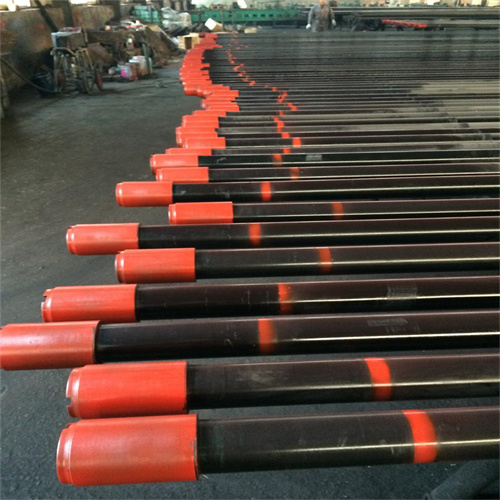
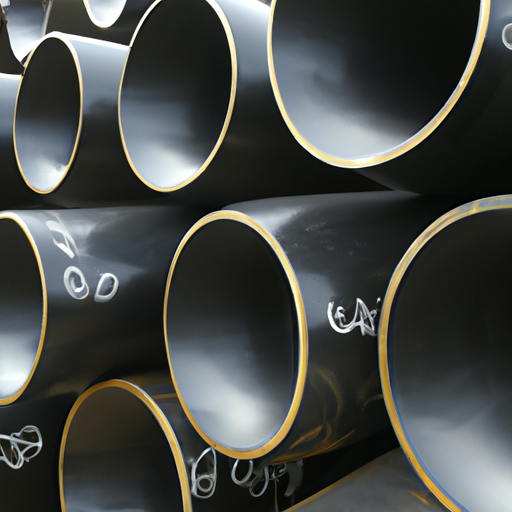
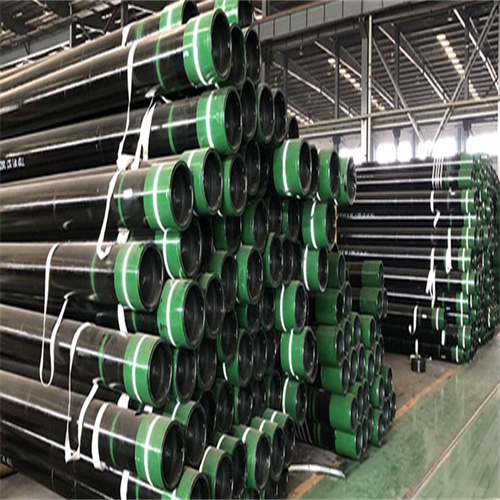
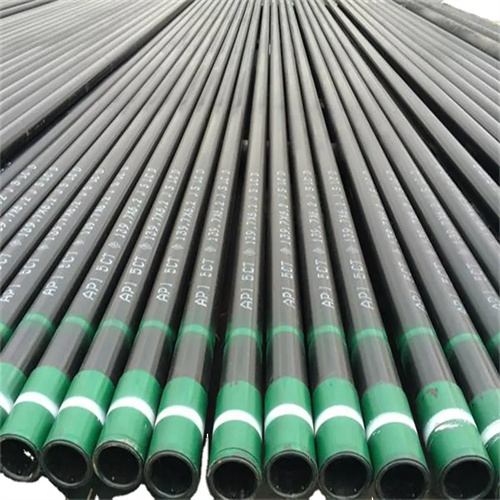
تعزيز مقاومة التآكل لغلاف النفط في حقول النفط البرية
يلعب غلاف النفط دوراً حاسماً في استخراج وإنتاج النفط في حقول النفط البرية. أحد العوامل الرئيسية التي تجعل غلاف النفط مرضيًا في حقول النفط البرية هو تعزيز مقاومته للتآكل. هذه المقاومة ضرورية لضمان طول عمر وكفاءة عملية استخراج الزيت. غالبًا ما تتعرض حقول النفط البرية لمختلف العناصر المسببة للتآكل والتي يمكن أن تؤدي إلى تدهور الغلاف بمرور الوقت. من خلال استخدام غلاف الزيت ذو المقاومة المحسنة للتآكل، يمكن للمشغلين التخفيف من المخاطر المرتبطة بالتآكل وإطالة عمر الغلاف.
يتم تحقيق المقاومة المعززة للتآكل في غلاف النفط في حقول النفط البرية من خلال استخدام مواد عالية الجودة ومتقدمة تقنيات الطلاء. وقد تم تصميم هذه المواد خصيصًا لتحمل الظروف القاسية الموجودة في حقول النفط البرية، بما في ذلك التعرض للرطوبة والمواد الكيميائية ودرجات الحرارة المرتفعة. من خلال دمج هذه المواد في عملية التصنيع، يمكن لمصنعي أغلفة الزيت إنتاج غلاف عالي المقاومة للتآكل، وبالتالي ضمان سلامة الغلاف طوال عمره التشغيلي.
بالإضافة إلى المواد المستخدمة، فإن تصميم غلاف الزيت أيضًا يلعب دورًا مهمًا في تعزيز مقاومته للتآكل. تم تحسين هندسة وبنية الغلاف لتقليل المناطق التي يمكن أن تتراكم فيها العناصر المسببة للتآكل وتسبب الضرر. لا يعمل أسلوب التصميم هذا على تحسين المتانة الإجمالية للغلاف فحسب، بل يقلل أيضًا من الحاجة إلى الصيانة والإصلاحات المتكررة، مما يؤدي في النهاية إلى توفير التكاليف للمشغلين.
تحسين السلامة الهيكلية وطول عمر غلاف النفط في البيئات البرية
علاوة على ذلك، فإن تصميم غلاف النفط للبيئات البرية يأخذ في الاعتبار التحديات المحددة التي تفرضها هذه الإعدادات. تم تصميم الغلاف ليتحمل الظروف الفريدة الموجودة في الحقول البرية، مثل درجات الحرارة المرتفعة والضغوط العالية والمواد الكاشطة. يضمن هذا التصميم المخصص أن الغلاف يمكن أن يعمل على النحو الأمثل في ظل هذه الظروف، مما يساهم في النجاح الشامل لعمليات استخراج النفط. لحقول النفط البرية. يمكن للمشغلين الاعتماد على هذا المكون الأساسي لضمان كفاءة وسلامة واستدامة عمليات استخراج النفط في البيئات البرية. من خلال الاستثمار في أغلفة النفط عالية الجودة والمصممة خصيصًا للاستخدام البري، يمكن للمشغلين زيادة الإنتاج إلى أقصى حد، وتقليل وقت التوقف عن العمل، وتخفيف المخاطر المرتبطة باستخراج النفط.
Oil Casing plays a crucial role in the extraction of oil from onshore fields. The structural integrity and longevity of oil casing are paramount in ensuring the efficiency and safety of oil extraction operations. One of the key factors that make oil casing gratifying in onshore oil fields is its improved structural integrity compared to other types of casing. This enhanced structural integrity is achieved through the use of high-quality Materials and precise manufacturing processes.
In onshore environments, oil casing is subjected to various stresses, including pressure from the surrounding rock formations and the corrosive effects of the extracted Oil and Gas. The improved structural integrity of oil casing helps it withstand these stresses without compromising its performance. This durability is essential for maintaining the integrity of the well and preventing leaks or failures that could result in environmental damage or safety hazards.
Furthermore, the longevity of oil casing in onshore environments is a significant advantage. The casing is designed to have a long service life, reducing the need for frequent replacements and Maintenance. This not only saves time and resources but also contributes to the overall efficiency of oil extraction operations. By using casing with a longer lifespan, operators can focus on maximizing production rather than dealing with frequent equipment failures.
Another aspect that contributes to the gratification of oil casing in onshore oil fields is its resistance to corrosion. Corrosion is a common issue in oil extraction operations, particularly in environments where the casing is exposed to corrosive substances such as hydrogen sulfide. Oil casing is often treated with corrosion-resistant coatings or made from materials that are inherently resistant to corrosion, ensuring that it remains intact and functional over an extended period.
 Moreover, the design of oil casing for onshore environments takes into account the specific challenges posed by these settings. The casing is engineered to withstand the unique conditions found in onshore fields, such as high temperatures, high pressures, and abrasive materials. This tailored design ensures that the casing can perform optimally under these conditions, contributing to the overall success of oil extraction operations.
In conclusion, the improved structural integrity, longevity, Corrosion resistance, and tailored design of oil casing make it a gratifying choice for onshore oil fields. Operators can rely on this essential component to ensure the efficiency, safety, and sustainability of oil extraction operations in onshore environments. By investing in high-quality oil casing that is specifically designed for onshore use, operators can maximize production, minimize downtime, and mitigate risks associated with oil extraction.