فهم أحجام وأوزان الغلاف المختلفة: دليل شامل
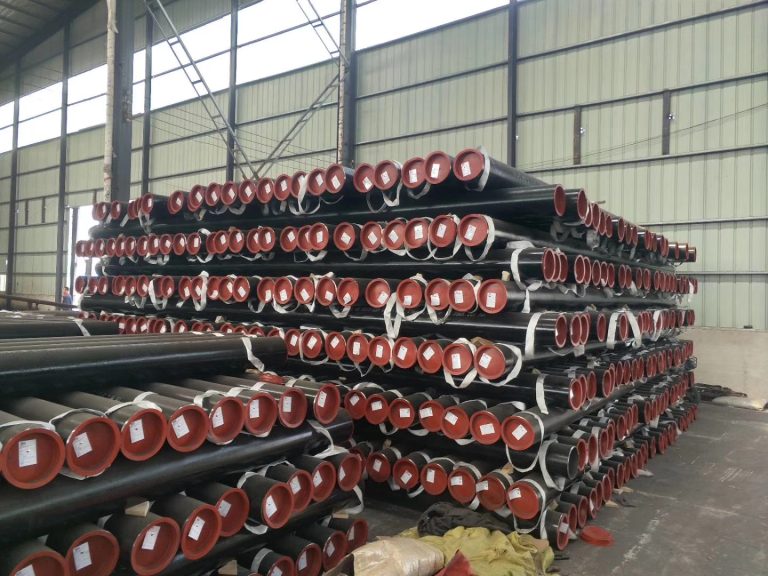
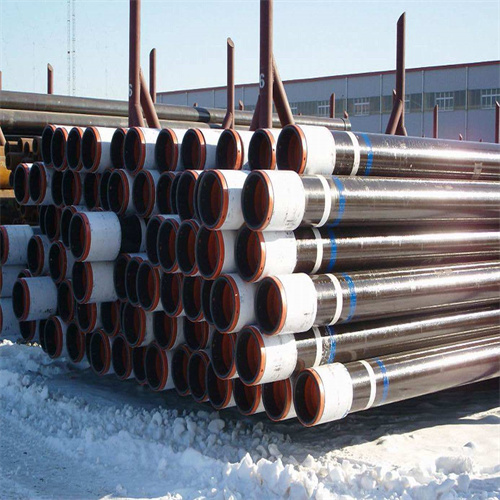
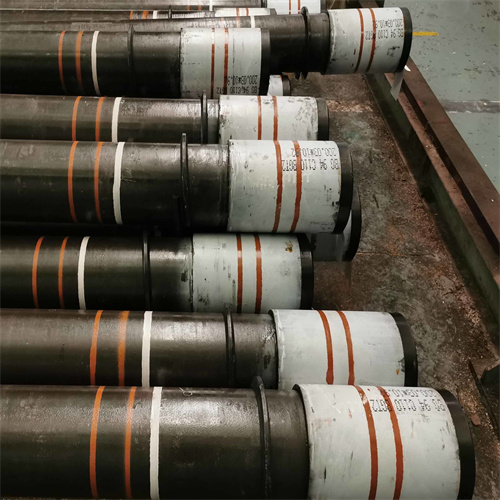
إن فهم أحجام وأوزان الغلاف المختلفة أمر بالغ الأهمية في مختلف الصناعات، وخاصة في عمليات التنقيب عن النفط والغاز. الغلاف عبارة عن أنبوب ذو قطر كبير يلعب دورًا مهمًا في عملية الحفر. يتم إدخاله في حفرة البئر وتثبيته في مكانه لتثبيت البئر ومنع الجدران من الانهيار. كما يمنع الغلاف أيضًا تلوث الرمال المائية ويعزل طبقات التكوين المختلفة التي لها ضغوط مختلفة.
يتم تركيب الغلاف المتوسط بعد الغلاف السطحي. يتم استخدامه لإغلاق المناطق المزعجة في البئر، مثل مناطق الضغط العالي أو درجات الحرارة العالية، ولحماية سلسلة الغلاف من سوائل الحفر المسببة للتآكل. يتم تحديد حجم ووزن الغلاف المتوسط من خلال عمق وضغط المناطق المزعجة.
 تأثير أحجام وأوزان الغلاف على التطبيقات الصناعية
تلعب أحجام وأوزان الغلاف دورًا محوريًا في مجال التطبيقات الصناعية. تؤثر هذه العوامل بشكل كبير على الكفاءة والسلامة والأداء العام للعمليات الصناعية المختلفة. يتجلى تأثير أحجام وأوزان الغلاف بشكل خاص في صناعات مثل النفط والغاز والبناء والتصنيع، حيث يعد الغلاف مكونًا مهمًا في البنية التحتية التشغيلية.
في صناعة النفط والغاز، على سبيل المثال، يكون الغلاف هو أنبوب ذو قطر كبير يتم تجميعه وإدخاله في جزء تم حفره مؤخرًا من البئر. يعد حجم ووزن الغلاف أمرًا بالغ الأهمية لضمان استقرار البئر. يمكن لحجم الغلاف المختار جيدًا أن يمنع البئر من الانهيار، في حين أن وزن الغلاف المناسب يمكن أن يتحمل الضغط الذي تمارسه القشرة الأرضية. علاوة على ذلك، فإن حجم ووزن الغلاف يحددان أيضًا حجم النفط أو الغاز الذي يمكن استخراجه من البئر. ولذلك، يعد اختيار حجم ووزن الغلاف المناسب قرارًا حاسمًا يمكن أن يؤثر بشكل كبير على إنتاجية وربحية عمليات النفط والغاز.
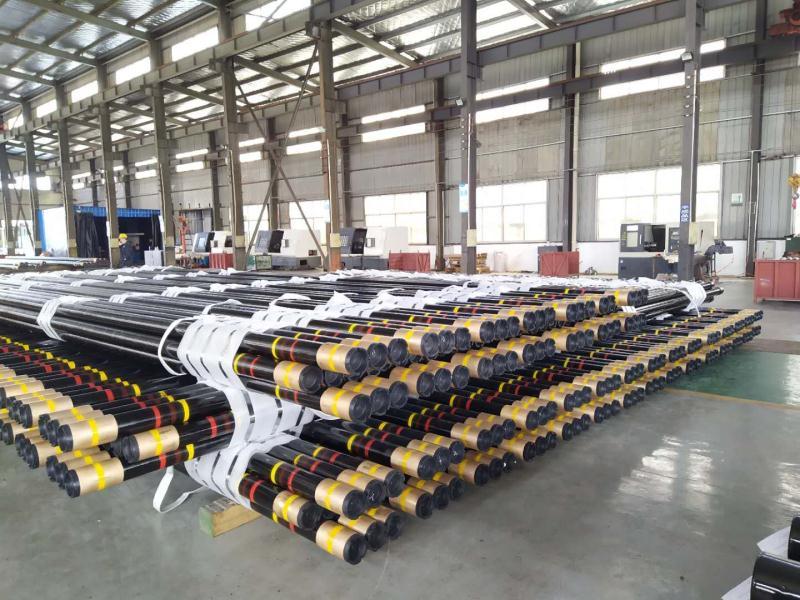
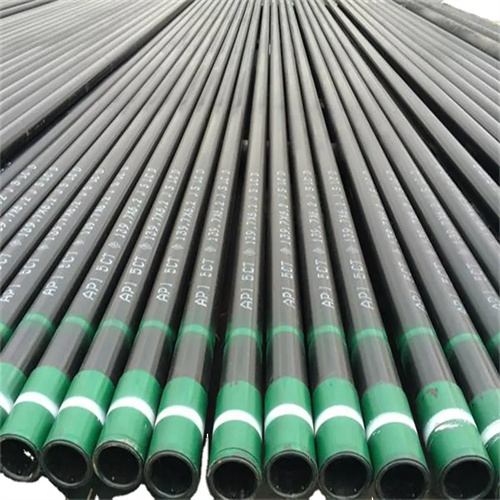
API 5ct N80-1 Casing أفضل مصنع في الصين
وبالمثل، في صناعة البناء والتشييد، يعد حجم الغلاف ووزنه أمرًا حيويًا في تحديد السلامة الهيكلية للمباني والهياكل الأخرى. يشير الغلاف، في هذا السياق، إلى الغلاف الخارجي لأحد مكونات المبنى، مثل النافذة أو الباب. يمكن أن يؤثر حجم الغلاف على المظهر العام للهيكل ووظيفته، في حين أن وزن الغلاف يمكن أن يؤثر على استقرار ومتانة مكونات المبنى. على سبيل المثال، قد يوفر الغلاف الثقيل عزلًا أفضل وعازلًا للصوت، ولكنه قد يؤدي أيضًا إلى زيادة الضغط على العناصر الهيكلية للمبنى. لذلك، يجب أن يحقق اختيار حجم ووزن الغلاف توازنًا بين المظهر الجمالي والمتطلبات الوظيفية والاعتبارات الهيكلية.
في قطاع التصنيع، يمكن أن يؤثر حجم ووزن الغلاف على كفاءة وفعالية عمليات الإنتاج. ويشير الغلاف في هذه الحالة إلى الغلاف الخارجي للآلة أو المعدة. يمكن أن يستوعب حجم الغلاف الأكبر مكونات أكثر أو أجزاء أكبر، مما قد يؤدي إلى زيادة قدرة الجهاز أو أدائه. من ناحية أخرى، قد يوفر الغلاف الأثقل حماية أفضل للمكونات الداخلية للجهاز، ولكنه قد يزيد أيضًا من صعوبة تحريك الجهاز أو نقله. لذلك، يجب أن يأخذ اختيار حجم ووزن الغلاف في التصنيع في الاعتبار عوامل مثل متطلبات الإنتاج، ومعايير السلامة، والقيود اللوجستية.
في الختام، فإن تأثير أحجام وأوزان الغلاف على التطبيقات الصناعية عميق ومتعدد الأوجه. يمكن أن تؤثر هذه العوامل على استقرار العمليات وسلامتها، وكفاءة وقدرة عمليات الإنتاج، وجماليات الهياكل ووظيفتها. ولذلك، فإن اختيار حجم الغلاف ووزنه يتطلب دراسة متأنية واتخاذ قرار استراتيجي. إنها مهمة معقدة تتضمن فهمًا شاملاً للمتطلبات والقيود المحددة لكل تطبيق صناعي. من خلال اتخاذ قرارات مستنيرة بشأن أحجام وأوزان التغليف، يمكن للصناعات تحسين عملياتها وتعزيز أدائها، وفي النهاية تحقيق أهداف أعمالها.
casing sizes and Weights play a pivotal role in the realm of industrial applications. These factors significantly influence the efficiency, safety, and overall performance of various industrial processes. The impact of casing sizes and weights is particularly evident in industries such as Oil and Gas, Construction, and manufacturing, where the casing is a critical component of the operational infrastructure.
In the oil and gas industry, for instance, the casing is a large-Diameter Pipe that is assembled and inserted into a recently drilled section of a borehole. The size and weight of the casing are crucial in ensuring the stability of the well. A well-cHosen casing size can prevent the well from collapsing, while an appropriate casing weight can withstand the pressure exerted by the earth’s crust. Moreover, the casing size and weight also determine the volume of oil or gas that can be extracted from the well. Therefore, selecting the right casing size and weight is a critical decision that can significantly impact the productivity and profitability of oil and gas operations.
API 5CT N80-1 CASING china Best Manufacturer
Similarly, in the construction industry, the casing size and weight are vital in determining the structural integrity of buildings and other structures. The casing, in this context, refers to the outer shell of a building component, such as a window or door. The size of the casing can affect the overall aesthetics and functionality of the structure, while the weight of the casing can influence the stability and durability of the building component. For instance, a heavy casing might provide better insulation and soundproofing but could also put more strain on the building’s structural elements. Therefore, the choice of casing size and weight must strike a balance between aesthetic appeal, functional requirements, and structural considerations.
In the manufacturing sector, the casing size and weight can impact the efficiency and effectiveness of production processes. The casing, in this case, refers to the outer cover of a machine or equipment. A larger casing size can accommodate more components or larger parts, potentially increasing the machine’s capacity or performance. On the other hand, a heavier casing might offer better protection for the machine’s internal components but could also make the machine more difficult to move or transport. Therefore, the selection of casing size and weight in manufacturing must consider factors such as production requirements, safety standards, and logistical constraints.
In conclusion, the impact of casing sizes and weights on industrial applications is profound and multifaceted. These factors can influence the stability and safety of operations, the efficiency and capacity of production processes, and the aesthetics and functionality of structures. Therefore, the selection of casing size and weight requires careful consideration and strategic decision-making. It is a complex task that involves a thorough understanding of the specific requirements and constraints of each industrial application. By making informed decisions about casing sizes and weights, industries can optimize their operations, enhance their performance, and ultimately, achieve their business objectives.