تطبيقات أغلفة النفط في عمليات الحفر البحرية
استخدام أغلفة النفط في آبار النفط ذات الضغط العالي
علاوة على ذلك، يسهل غلاف النفط الاستخلاص الفعال للنفط والغاز عن طريق إنشاء قناة يمكن من خلالها تدفق السوائل إلى السطح. تم تصميم الغلاف لمقاومة التأثيرات التآكلية لسوائل المكمن والضغوط الميكانيكية التي تتم مواجهتها أثناء أنشطة الحفر والإنتاج. يقوم المهندسون بحساب مواصفات غلاف النفط بدقة، مع الأخذ في الاعتبار عوامل مثل العمق والضغط ودرجة الحرارة والظروف الجيولوجية لضمان الأداء الأمثل وطول العمر.
أنبوب الزيت أفضل مصنع صيني في آبار النفط ذات الضغط العالي، يتم اختيار مواد وأبعاد الغلاف المناسبة أمر بالغ الأهمية. الصلب هو المادة السائدة المستخدمة في تغليف الزيت بسبب قوته الاستثنائية ومتانته ومقاومته للتآكل. لقد مكنت التقنيات المعدنية المتقدمة من تطوير فولاذ عالي القوة قادر على تحمل الضغوط الهائلة التي تواجهها الآبار العميقة وعالية الضغط. تخضع هذه الفولاذات لاختبارات صارمة وإجراءات مراقبة الجودة لضمان الامتثال لمعايير الصناعة والمتطلبات التنظيمية.
علاوة على ذلك، يتضمن تصميم غلاف الزيت أنواعًا مختلفة من الوصلات والأختام للحفاظ على سلامة حفرة البئر. يتم استخدام الوصلات الملولبة لربط أجزاء الغلاف الفردية، مما يشكل حاجزًا مستمرًا ومانعًا للتسرب ضد سوائل الخزان. يتم استخدام المواد المانعة للتسرب والأسمنت لتعزيز هذه الوصلات بشكل أكبر وإنشاء حاجز آمن بين الغلاف والتكوينات الصخرية المحيطة.
بالإضافة إلى وظائفه الأساسية، يعمل الغلاف النفطي أيضًا كقناة لعمليات التدخل والصيانة في الآبار. يمكن إدخال معدات مثل أنابيب الإنتاج، وأدوات التعبئة، وأدوات قاع البئر في البئر من خلال الغلاف، مما يتيح أنشطة مثل التكسير الهيدروليكي، وتسجيل الآبار، والتثبيت العلاجي. تتيح هذه المرونة للمشغلين زيادة إنتاجية وكفاءة آبار النفط عالية الضغط إلى أقصى حد مع تقليل وقت التوقف عن العمل والمخاطر التشغيلية.
يتم توجيه الموضع الاستراتيجي واستخدام غلاف النفط من خلال التحليلات والمحاكاة الهندسية الشاملة. تتيح أدوات التصميم بمساعدة الكمبيوتر (CAD) وتحليل العناصر المحدودة (FEA) للمهندسين إمكانية وضع نموذج لسلوك الغلاف في ظل ظروف تشغيل مختلفة والتنبؤ بأدائه طوال عمر البئر. تعد هذه القدرة التنبؤية ضرورية لتحسين تصميم الغلاف، واختيار المواد المناسبة، وضمان الامتثال للمتطلبات التنظيمية.
في الختام، لا غنى عن الاستخدامات المحسوبة لتغليف النفط في آبار النفط عالية الضغط لاستخراج الهيدروكربونات بشكل آمن وفعال من الأعماق. الخزانات الجوفية. من توفير الدعم الهيكلي واحتواء السوائل إلى تسهيل التدخل في الآبار وصيانتها، يلعب غلاف النفط دورًا محوريًا في صناعة النفط والغاز. ومع التقدم التكنولوجي والتحديات التشغيلية، فإن الابتكار المستمر في تصميم ومواد التغليف سيزيد من تعزيز مرونة وأداء آبار النفط في البيئات عالية الضغط، مما يضمن إنتاج الطاقة المستدامة لسنوات قادمة.
Utilization of Oil Casing in high-pressure Oil Wells
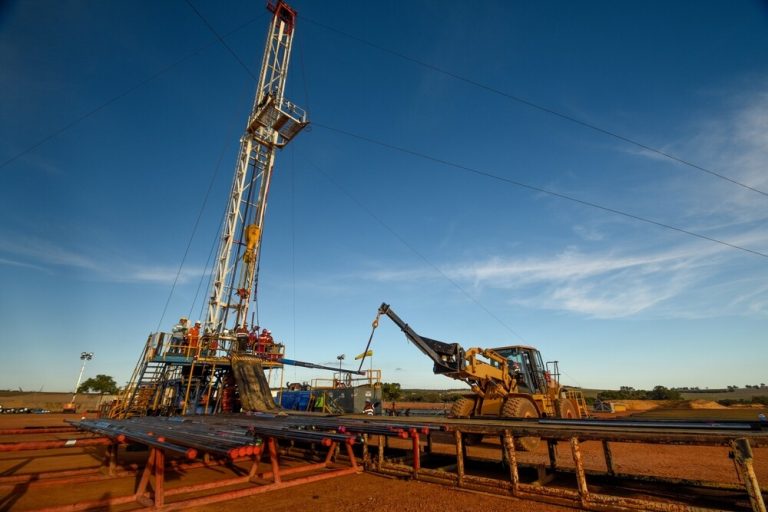
In the realm of oil extraction, The use of oil casing plays a crucial role in ensuring the integrity and efficiency of operations, particularly in high-pressure oil wells. Oil casing refers to the cylindrical tubes installed in oil wells to support the walls and prevent collapse under the pressures exerted by the surrounding geological formations. This article explores the calculated uses of oil casing in high-pressure oil wells, elucidating its significance and applications in the Oil and Gas industry.
Oil casing serves multiple functions essential for the successful operation of high-pressure oil wells. Primarily, it provides structural support to the wellbore, preventing it from caving in and maintaining the integrity of the well throughout its lifespan. This is especially critical in high-pressure environments where the natural forces exerted by underground reservoirs can reach extreme levels. By withstanding these pressures, oil casing ensures the safety of personnel and equipment while also safeguarding the environment from potential hazards such as oil spills or gas leaks.

Moreover, oil casing facilitates the efficient extraction of oil and gas by creating a conduit through which fluids can flow to the surface. The casing is designed to withstand the corrosive effects of the reservoir fluids and the mechanical stresses encountered during drilling and production activities. Engineers meticulously calculate the specifications of oil casing, considering factors such as depth, pressure, temperature, and geological conditions to ensure optimal performance and longevity.
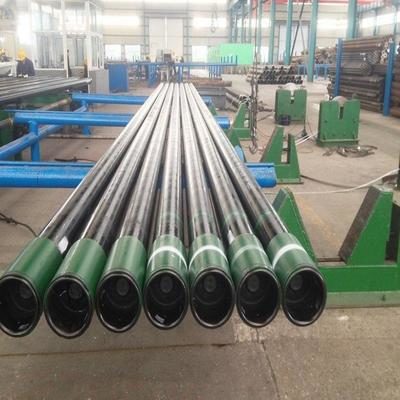
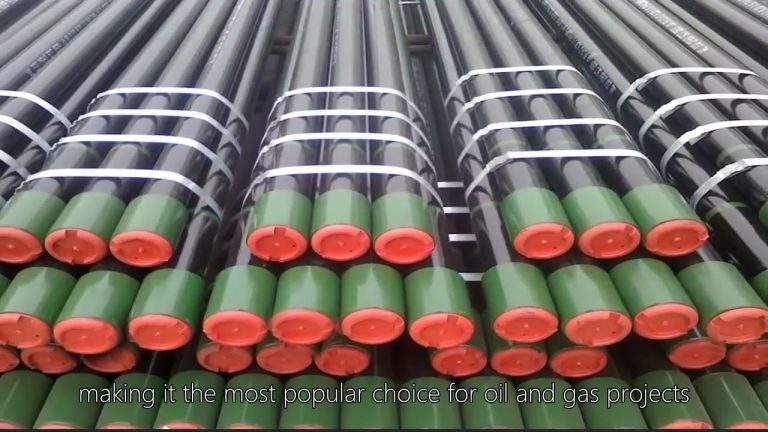
Oil Tube Best chinese FactoryIn high-pressure oil wells, the selection of appropriate casing Materials and dimensions is paramount. Steel is the predominant material used for oil casing due to its exceptional strength, durability, and resistance to corrosion. Advanced metallurgical techniques have enabled the development of high-strength steels capable of withstanding the immense pressures encountered in deep and high-pressure wells. These steels undergo rigorous testing and quality control measures to ensure compliance with industry standards and regulatory requirements.
Furthermore, the design of oil casing includes various types of Connections and Seals to maintain the integrity of the wellbore. Threaded connections are used to join individual casing segments, forming a continuous and leak-proof barrier against reservoir fluids. sealants and cement are employed to further reinforce these connections and create a secure barrier between the casing and the surrounding rock formations.
In addition to their primary functions, oil casing also serves as a conduit for well intervention and Maintenance operations. Equipment such as production Tubing, Packers, and downhole Tools can be inserted into the well through the casing, enabling activities such as hydraulic fracturing, well logging, and remedial Cementing. This flexibility allows operators to maximize the productivity and efficiency of high-pressure oil wells while minimizing downtime and operational risks.
The strategic placement and utilization of oil casing are guided by comprehensive engineering analyses and simulations. Computer-aided design (CAD) and finite element analysis (FEA) tools enable engineers to model the behavior of casing under different operating conditions and predict its performance throughout the life of the well. This predictive capability is essential for optimizing casing design, selecting suitable materials, and ensuring compliance with regulatory requirements.
In conclusion, the calculated uses of oil casing in high-pressure oil wells are indispensable for the safe and efficient extraction of hydrocarbons from deep underground reservoirs. From providing structural support and fluid containment to facilitating well intervention and maintenance, oil casing plays a pivotal role in the oil and gas industry. As technology advances and operational challenges evolve, continuous innovation in casing design and materials will further enhance the resilience and performance of oil wells in high-pressure environments, ensuring sustainable energy production for years to come.