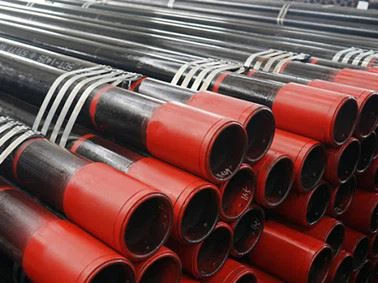
অফশোর ড্রিলিং অপারেশনে তেল আবরণ অ্যাপ্লিকেশন
অফশোর ড্রিলিং অপারেশনের ক্ষেত্রে, তেল আবরণের সূক্ষ্ম প্রয়োগ দক্ষতা এবং নিরাপত্তা উভয়ই নিশ্চিত করার ক্ষেত্রে একটি গুরুত্বপূর্ণ ভূমিকা পালন করে। তেল আবরণ, ড্রিলিং অবকাঠামোর একটি গুরুত্বপূর্ণ উপাদান, বহুমুখী উদ্দেশ্যগুলি পরিবেশন করে যা অফশোর পরিবেশে সাবধানতার সাথে গণনা করা হয় এবং কৌশলগতভাবে প্রয়োগ করা হয়। অফশোর ড্রিলিংয়ে, যেখানে পরিস্থিতি অত্যন্ত চ্যালেঞ্জিং হতে পারে, কেসিং সমুদ্রের জলের দ্বারা প্রবাহিত হাইড্রোস্ট্যাটিক চাপ এবং সমুদ্রতলের গভীরে ভূতাত্ত্বিক গঠনগুলির সম্মুখীন হওয়ার বিরুদ্ধে প্রয়োজনীয় সহায়তা প্রদান করে। এই স্ট্রাকচারাল রিইনফোর্সমেন্ট শুধুমাত্র ওয়েলবোরকে ধসে পড়া থেকে রক্ষা করে না বরং সামুদ্রিক পরিবেশে হাইড্রোকার্বনের যেকোন সম্ভাব্য লিক বা ছিটকে যাওয়াও প্রতিরোধ করে। বিভিন্ন ভূতাত্ত্বিক গঠন বিচ্ছিন্ন করে এবং বিভিন্ন স্তর থেকে তরল মিশ্রিত হওয়া রোধ করে, কেসিং দক্ষ উত্পাদন কার্যক্রম নিশ্চিত করে। ওয়েলবোরের এই বিভাজন চাপের পার্থক্য পরিচালনায়ও সাহায্য করে, হাইড্রোকার্বন নিয়ন্ত্রিত নিষ্কাশনের অনুমতি দেয় এবং ব্লোআউট বা অন্যান্য অপারেশনাল বিপদের ঝুঁকি কমিয়ে দেয়। প্রতিটি অফশোর ড্রিলিং সাইটের শর্ত। উচ্চ-শক্তির সংকর ধাতুগুলি প্রায়শই সমুদ্রের জলের ক্ষয়কারী প্রভাব এবং উল্লেখযোগ্য গভীরতায় উচ্চ চাপের সম্মুখীন হওয়ার জন্য ব্যবহার করা হয়। অতিরিক্তভাবে, কেসিংয়ের ব্যাস এবং বেধগুলি প্রত্যাশিত লোড এবং চাপগুলিকে মিটমাট করার জন্য সুনির্দিষ্টভাবে গণনা করা হয়, যা কূপের অপারেশনাল জীবনকাল জুড়ে সর্বোত্তম কর্মক্ষমতা নিশ্চিত করে। সুনির্দিষ্ট কেসিং ডিজাইন এবং স্থাপনের গুরুত্ব বৃদ্ধি করুন। কেসিংয়ের প্রতিটি অংশকে অবশ্যই সাবধানে ইনস্টল করতে হবে এবং একটি নিরাপদ বাধা তৈরি করতে হবে যা আশেপাশের পরিবেশের দ্বারা প্রয়োগ করা বিশাল শক্তিকে প্রতিরোধ করতে পারে। কেসিং সেন্ট্রালাইজার এবং কেসিং হ্যাঙ্গারগুলির মতো উন্নত প্রযুক্তিগুলি ওয়েলবোরের মধ্যে কেসিং স্ট্রিংগুলির যথাযথ প্রান্তিককরণ এবং ফিক্সেশন নিশ্চিত করার জন্য নিযুক্ত করা হয়৷
উচ্চ চাপের তেলের কূপে তেলের আবরণের ব্যবহার
এছাড়াও, তেলের আবরণ একটি নালী তৈরি করে তেল এবং গ্যাসের দক্ষ নিষ্কাশনের সুবিধা দেয় যার মাধ্যমে তরল পৃষ্ঠে প্রবাহিত হতে পারে। কেসিংটি জলাধারের তরলগুলির ক্ষয়কারী প্রভাব এবং ড্রিলিং এবং উত্পাদন কার্যক্রমের সময় যান্ত্রিক চাপের সম্মুখীন হওয়ার জন্য ডিজাইন করা হয়েছে। প্রকৌশলীরা গভীরতা, চাপ, তাপমাত্রা এবং ভূতাত্ত্বিক অবস্থার মতো বিষয়গুলি বিবেচনা করে সর্বোত্তম কার্যক্ষমতা এবং দীর্ঘায়ু নিশ্চিত করার জন্য তেলের আবরণের বৈশিষ্ট্যগুলি যত্ন সহকারে গণনা করেন। সর্বোপরি ইস্পাত হল তার ব্যতিক্রমী শক্তি, স্থায়িত্ব এবং জারা প্রতিরোধের কারণে তেলের আবরণের জন্য ব্যবহৃত প্রধান উপাদান। উন্নত ধাতুবিদ্যার কৌশলগুলি গভীর এবং উচ্চ-চাপের কূপের সম্মুখীন হওয়া বিশাল চাপ সহ্য করতে সক্ষম উচ্চ-শক্তির ইস্পাতগুলির বিকাশকে সক্ষম করেছে। এই স্টিলগুলি শিল্পের মান এবং নিয়ন্ত্রক প্রয়োজনীয়তাগুলির সাথে সম্মতি নিশ্চিত করার জন্য কঠোর পরীক্ষা এবং মান নিয়ন্ত্রণের ব্যবস্থা গ্রহণ করে৷ থ্রেডযুক্ত সংযোগগুলি পৃথক কেসিং সেগমেন্টে যোগদানের জন্য ব্যবহার করা হয়, যা জলাধারের তরলগুলির বিরুদ্ধে একটি অবিচ্ছিন্ন এবং লিক-প্রুফ বাধা তৈরি করে। সিল্যান্ট এবং সিমেন্ট এই সংযোগগুলিকে আরও শক্তিশালী করতে এবং আবরণ এবং আশেপাশের শিলা গঠনের মধ্যে একটি নিরাপদ বাধা তৈরি করতে নিযুক্ত করা হয়। প্রোডাকশন টিউবিং, প্যাকার এবং ডাউনহোল সরঞ্জামগুলির মতো সরঞ্জামগুলি কেসিংয়ের মাধ্যমে কূপের মধ্যে ঢোকানো যেতে পারে, যা হাইড্রোলিক ফ্র্যাকচারিং, ওয়েল লগিং এবং প্রতিকারমূলক সিমেন্টিংয়ের মতো কার্যকলাপগুলিকে সক্ষম করে। এই নমনীয়তা অপারেটরদের ডাউনটাইম এবং অপারেশনাল ঝুঁকি কমিয়ে উচ্চ-চাপের তেল কূপগুলির উত্পাদনশীলতা এবং দক্ষতা সর্বাধিক করার অনুমতি দেয়। কম্পিউটার-এডেড ডিজাইন (CAD) এবং সীমিত উপাদান বিশ্লেষণ (এফইএ) সরঞ্জামগুলি ইঞ্জিনিয়ারদের বিভিন্ন অপারেটিং অবস্থার অধীনে কেসিংয়ের আচরণের মডেল করতে এবং কূপের সারা জীবন জুড়ে এর কার্যকারিতা ভবিষ্যদ্বাণী করতে সক্ষম করে। কেসিং ডিজাইন অপ্টিমাইজ করার জন্য, উপযুক্ত উপকরণ নির্বাচন করা এবং নিয়ন্ত্রক প্রয়োজনীয়তার সাথে সম্মতি নিশ্চিত করার জন্য এই ভবিষ্যদ্বাণীমূলক ক্ষমতা অপরিহার্য। ভূগর্ভস্থ জলাধার। কাঠামোগত সহায়তা এবং তরল কন্টেনমেন্ট প্রদান থেকে শুরু করে ভাল হস্তক্ষেপ এবং রক্ষণাবেক্ষণের সুবিধার জন্য, তেল আবরণ তেল এবং গ্যাস শিল্পে একটি গুরুত্বপূর্ণ ভূমিকা পালন করে। প্রযুক্তির অগ্রগতি এবং অপারেশনাল চ্যালেঞ্জগুলি বিকশিত হওয়ার সাথে সাথে, কেসিং ডিজাইন এবং উপকরণগুলিতে ক্রমাগত উদ্ভাবন উচ্চ-চাপের পরিবেশে তেল কূপের স্থিতিস্থাপকতা এবং কার্যকারিতাকে আরও বাড়িয়ে তুলবে, আগামী বছরগুলির জন্য টেকসই শক্তি উৎপাদন নিশ্চিত করবে।
In the realm of Oil extraction, The use of Oil Casing plays a crucial role in ensuring the integrity and efficiency of operations, particularly in high-pressure Oil Wells. Oil casing refers to the cylindrical tubes installed in oil wells to support the walls and prevent collapse under the pressures exerted by the surrounding geological formations. This article explores the calculated uses of oil casing in high-pressure oil wells, elucidating its significance and applications in the Oil and Gas industry.
Oil casing serves multiple functions essential for the successful operation of high-pressure oil wells. Primarily, it provides structural support to the wellbore, preventing it from caving in and maintaining the integrity of the well throughout its lifespan. This is especially critical in high-pressure environments where the natural forces exerted by underground reservoirs can reach extreme levels. By withstanding these pressures, oil casing ensures the safety of personnel and equipment while also safeguarding the environment from potential hazards such as oil spills or gas leaks.

Moreover, oil casing facilitates the efficient extraction of oil and gas by creating a conduit through which fluids can flow to the surface. The casing is designed to withstand the corrosive effects of the reservoir fluids and the mechanical stresses encountered during drilling and production activities. Engineers meticulously calculate the specifications of oil casing, considering factors such as depth, pressure, temperature, and geological conditions to ensure optimal performance and longevity.
Oil Tube Best chinese FactoryIn high-pressure oil wells, the selection of appropriate casing Materials and dimensions is paramount. Steel is the predominant material used for oil casing due to its exceptional strength, durability, and resistance to corrosion. Advanced metallurgical techniques have enabled the development of high-strength steels capable of withstanding the immense pressures encountered in deep and high-pressure wells. These steels undergo rigorous testing and quality control measures to ensure compliance with industry standards and regulatory requirements.
Furthermore, the design of oil casing includes various types of Connections and Seals to maintain the integrity of the wellbore. Threaded connections are used to join individual casing segments, forming a continuous and leak-proof barrier against reservoir fluids. sealants and cement are employed to further reinforce these connections and create a secure barrier between the casing and the surrounding rock formations.
In addition to their primary functions, oil casing also serves as a conduit for well intervention and Maintenance operations. Equipment such as production Tubing, Packers, and downhole Tools can be inserted into the well through the casing, enabling activities such as hydraulic fracturing, well logging, and remedial Cementing. This flexibility allows operators to maximize the productivity and efficiency of high-pressure oil wells while minimizing downtime and operational risks.
The strategic placement and utilization of oil casing are guided by comprehensive engineering analyses and simulations. Computer-aided design (CAD) and finite element analysis (FEA) tools enable engineers to model the behavior of casing under different operating conditions and predict its performance throughout the life of the well. This predictive capability is essential for optimizing casing design, selecting suitable materials, and ensuring compliance with regulatory requirements.
In conclusion, the calculated uses of oil casing in high-pressure oil wells are indispensable for the safe and efficient extraction of hydrocarbons from deep underground reservoirs. From providing structural support and fluid containment to facilitating well intervention and maintenance, oil casing plays a pivotal role in the oil and gas industry. As technology advances and operational challenges evolve, continuous innovation in casing design and materials will further enhance the resilience and performance of oil wells in high-pressure environments, ensuring sustainable energy production for years to come.