أهمية غلاف النفط في عمليات حقول النفط البرية
تشييد الأنابيب غلاف الصين
مزايا استخدام غلاف النفط عالي الجودة في الحفر البري
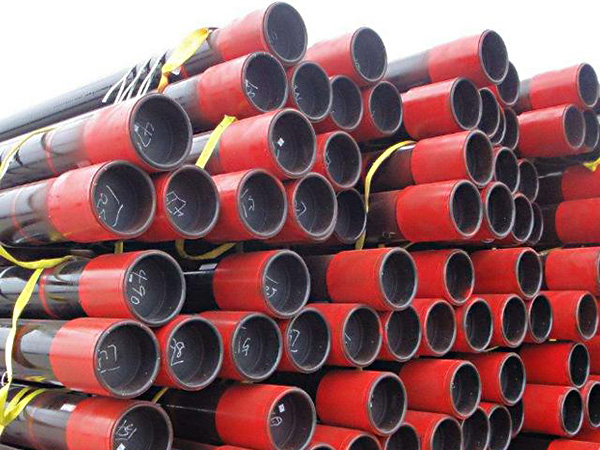 في مجال التنقيب عن النفط البري، لا يمكن المبالغة في أهمية غلاف النفط عالي الجودة. يخدم هذا المكون الحاسم أدوارًا محورية متعددة في ضمان كفاءة العمليات وسلامتها وطول عمرها في حقول النفط في جميع أنحاء العالم.
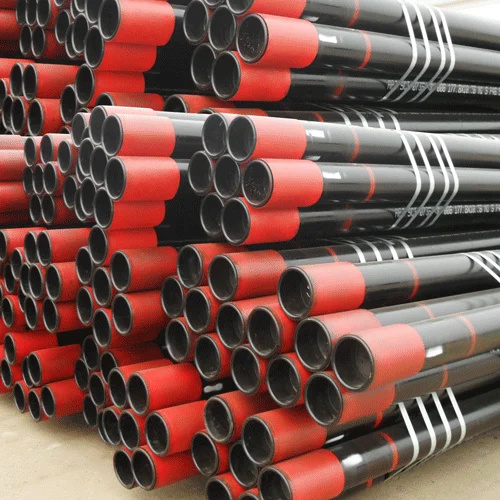
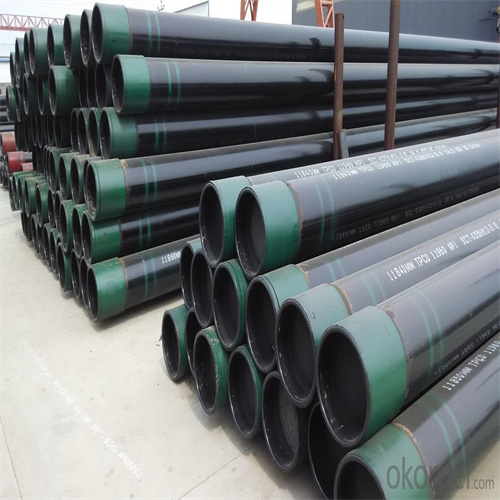
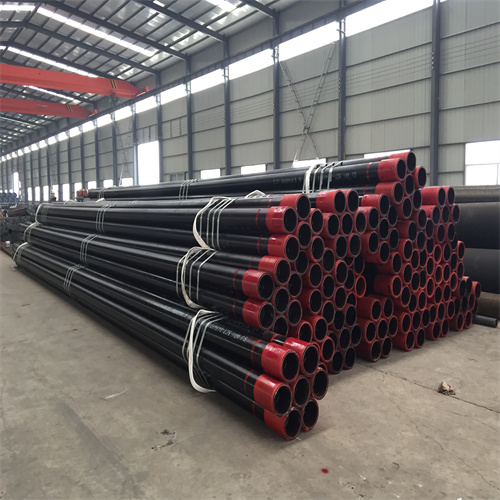
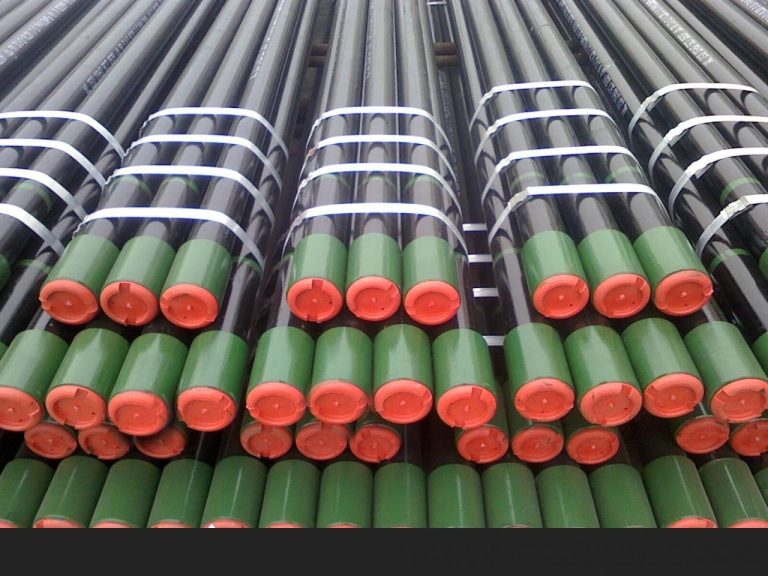
يعمل غلاف النفط، المصنوع عادةً من الفولاذ، كحاجز وقائي يربط حفرة البئر، مما يحمي عملية الحفر من التكوينات الجيولوجية ومنع هروب النفط أو الغاز. وتتمثل وظيفتها الأساسية في الحفاظ على السلامة الهيكلية للبئر وتوفير قناة لاستخراج الهيدروكربونات من أعماق الأرض. يعد اختيار مواد التغليف عالية الجودة، مثل السبائك المقاومة للتآكل أو الفولاذ المعالج خصيصًا، أمرًا بالغ الأهمية نظرًا للظروف الصعبة التي تتم مواجهتها أثناء الحفر والإنتاج.
تكمن إحدى أهم مزايا استخدام غلاف الزيت عالي الجودة في القدرة على تحمل الضغوط الشديدة ودرجات الحرارة التي تواجهها في أعماق الأرض. مع زيادة أعماق الحفر، تزداد الضغوط البيئية على الغلاف. يمكن أن تستسلم المواد الرديئة لهذه الضغوط، مما يعرض سلامة البئر للخطر ويحتمل أن يؤدي إلى تأخيرات تشغيلية مكلفة أو مخاطر بيئية. في المقابل، تضمن مواد التغليف عالية الجودة الموثوقية وطول العمر، مما يقلل من مخاطر الأعطال الكارثية ويعزز السلامة التشغيلية.
علاوة على ذلك، يساهم استخدام تقنيات التغليف المتقدمة بشكل كبير في الكفاءة الشاملة لعمليات الحفر البرية. ومن خلال استخدام غلاف مقاوم للتآكل والتآكل، يمكن للمشغلين إطالة العمر الإنتاجي للآبار، مما يؤدي إلى زيادة العائد على الاستثمار إلى الحد الأقصى. يعتبر طول العمر هذا أمرًا بالغ الأهمية في الحقول البرية حيث يمكن حفر آبار متعددة في مناطق جغرافية واسعة النطاق، ويتطلب كل منها حلول أغلفة قوية لتحمل الظروف الجيولوجية المختلفة.
وبخلاف المتانة، يسهل غلاف النفط عالي الجودة إدارة الخزانات بشكل معزز. وفي الحقول البرية، حيث تقع الآبار غالبًا على مقربة من المناطق المأهولة بالسكان أو النظم البيئية الحساسة، يعد تقليل التأثير البيئي أمرًا بالغ الأهمية. تضمن سلامة الغلاف احتواء الملوثات داخل حفرة البئر، مما يمنع تلوث المياه الجوفية وتسربات غاز الميثان – وهو اعتبار حاسم لممارسات استخراج الطاقة المستدامة.
علاوة على ذلك، فإن تركيب غلاف الزيت المتميز يدعم الكفاءة التشغيلية من خلال تبسيط مراحل إكمال وإنتاج الحفر. يتضمن إكمال البئر إدخال الغلاف والأسمنت لتأمين حفرة البئر، يليه دمج معدات الإنتاج. يؤدي استخدام مواد التغليف الموثوقة إلى تبسيط هذه العمليات، مما يقلل من وقت التوقف عن العمل وتكاليف التشغيل المرتبطة بالصيانة والإصلاحات.
في السنوات الأخيرة، أدت التطورات التكنولوجية في تصميم وتصنيع الغلاف إلى تعزيز أداء وموثوقية عمليات الحفر البرية. أصبحت الابتكارات مثل السبائك المقاومة للتآكل، والغلاف المزدوج الجدران لمزيد من الحماية، وتقنيات الأسمنت المحسنة ممارسات قياسية، مما يعكس جهود الصناعة لتحسين السلامة والكفاءة بشكل مستمر.
في الختام، أهمية غلاف النفط عالي الجودة في البرية تستمد حقول النفط من دورها الذي لا غنى عنه في ضمان السلامة التشغيلية والسلامة والإشراف البيئي. من خلال الاستثمار في مواد وتقنيات التغليف المتفوقة، لا يقوم المشغلون بتخفيف المخاطر المرتبطة بالحفر فحسب، بل يساهمون أيضًا في ممارسات الطاقة المستدامة. مع استمرار ارتفاع الطلب العالمي على الطاقة، تظل أهمية ممارسات الحفر البرية الموثوقة والفعالة المدعومة بتقنيات غلاف النفط المتقدمة ذات أهمية قصوى في تلبية احتياجات الطاقة الحالية والمستقبلية مع حماية المصالح البيئية والتشغيلية على حد سواء.
In the realm of onshore Oil drilling, the significance of high-quality Oil Casing cannot be overstated. This critical component serves multiple pivotal roles in ensuring the efficiency, safety, and longevity of operations in oil fields worldwide.
Oil casing, typically made from Steel, acts as a protective barrier that lines the wellbore, safeguarding the drilling operation from geological formations and preventing the escape of oil or Gas. Its primary function is to maintain the structural integrity of the well and provide a conduit for the extraction of hydrocarbons from deep within the earth. The choice of high-quality casing Materials, such as corrosion-resistant alloys or specially treated steel, is paramount due to the demanding conditions encountered during drilling and production.
One of the foremost advantages of using high-quality oil casing lies in its ability to withstand extreme pressures and temperatures encountered deep underground. As drilling depths increase, so do the environmental stresses on the casing. Inferior materials could succumb to these pressures, compromising the integrity of the well and potentially leading to costly operational delays or environmental hazards. In contrast, high-quality casing materials ensure reliability and longevity, reducing the risk of catastrophic failures and enhancing operational safety.
Moreover, the use of advanced casing technologies contributes significantly to the overall efficiency of onshore drilling operations. By employing casing that is resistant to corrosion and wear, operators can extend the productive life of wells, maximizing the return on investment. This longevity is crucial in onshore fields where multiple wells may be drilled over extensive geographic areas, each requiring robust casing solutions to endure varying geological conditions.
Beyond durability, high-quality oil casing facilitates enhanced reservoir management. In onshore fields, where wells are often situated in close proximity to populated areas or sensitive ecosystems, minimizing environmental impact is paramount. Casing integrity ensures that contaminants are contained within the wellbore, preventing groundwater contamination and methane leaks—a critical consideration for sustainable energy extraction practices.
Furthermore, the installation of premium oil casing supports operational efficiency by streamlining the completion and production phases of drilling. well completion involves the insertion of casing and Cementing to secure the wellbore, followed by the integration of production equipment. The use of reliable casing materials simplifies these processes, reducing downtime and operational costs associated with Maintenance and Repairs.
In recent years, technological advancements in casing design and manufacturing have further enhanced the performance and reliability of onshore drilling operations. innovations such as corrosion-resistant alloys, double-walled casing for added protection, and enhanced cementing techniques have become standard practices, reflecting industry efforts to continuously improve safety and efficiency.
In conclusion, the centrality of high-quality oil casing in onshore oil fields derives from its indispensable role in ensuring operational integrity, safety, and environmental stewardship. By investing in superior casing materials and technologies, operators not only mitigate risks associated with drilling but also contribute to sustainable energy practices. As global demand for energy contiNues to rise, the importance of reliable and efficient onshore drilling practices supported by advanced oil casing technologies remains paramount in meeting present and future energy needs while safeguarding environmental and operational interests alike.