তেল আবরণ প্রকার বোঝা
ভাল অবস্থা এবং প্রয়োজনীয়তা মূল্যায়ন
bushing চাইনিজ সেরা সরবরাহকারী
উপসংহারে, সত্যিকারের চাহিদা অনুযায়ী সঠিক তেলের আবরণ নির্বাচন করার জন্য একটি বহুমুখী পদ্ধতির প্রয়োজন যা ভাল অবস্থা এবং প্রয়োজনীয়তার একটি পুঙ্খানুপুঙ্খ মূল্যায়নকে অন্তর্ভুক্ত করে। ভূতাত্ত্বিক বৈশিষ্ট্য, প্রত্যাশিত উৎপাদন পরিস্থিতি, গভীরতা, পরিবেশগত কারণ এবং নিয়ন্ত্রক মান বিবেচনা করে, অপারেটররা তাদের ড্রিলিং অপারেশনগুলির নিরাপত্তা এবং দক্ষতা বাড়ায় এমন জ্ঞাত সিদ্ধান্ত নিতে পারে। এই ব্যাপক মূল্যায়ন শুধুমাত্র কূপের অখণ্ডতা নিশ্চিত করে না বরং তেল উত্তোলন প্রচেষ্টার সামগ্রিক সাফল্যে অবদান রাখে, যা শেষ পর্যন্ত আরও টেকসই এবং দায়িত্বশীল সম্পদ ব্যবস্থাপনার দিকে পরিচালিত করে। শিল্পের বিকাশ অব্যাহত থাকায়, কেসিং প্রযুক্তি এবং সর্বোত্তম অনুশীলনের অগ্রগতি সম্পর্কে অবগত থাকা অপারেটরদের তাদের নির্দিষ্ট প্রয়োজন অনুসারে সর্বোত্তম পছন্দ করতে আরও ক্ষমতায়িত করবে।
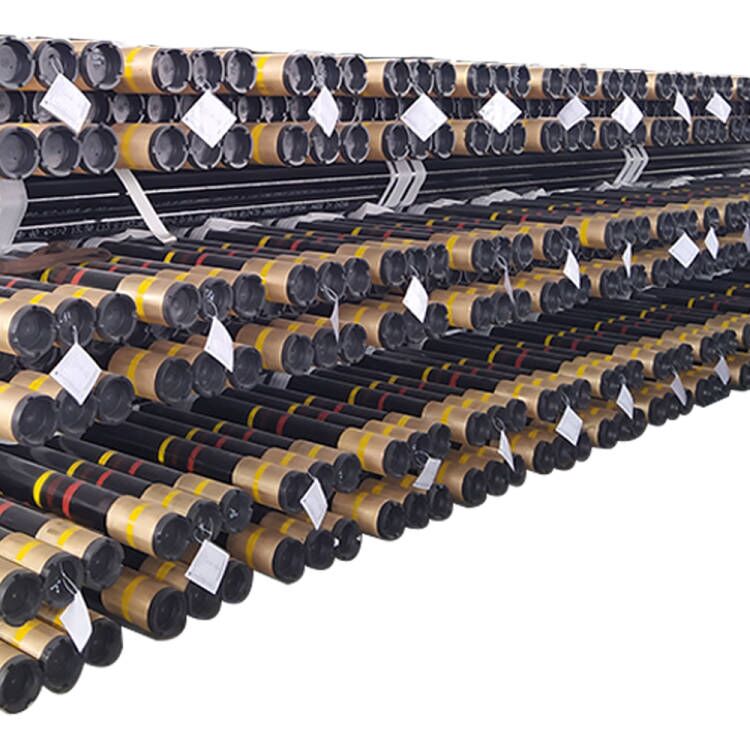
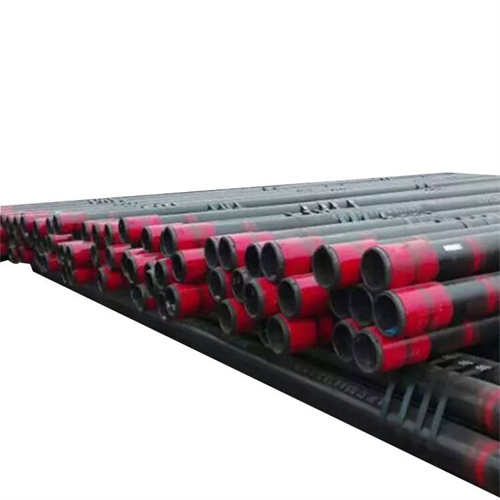
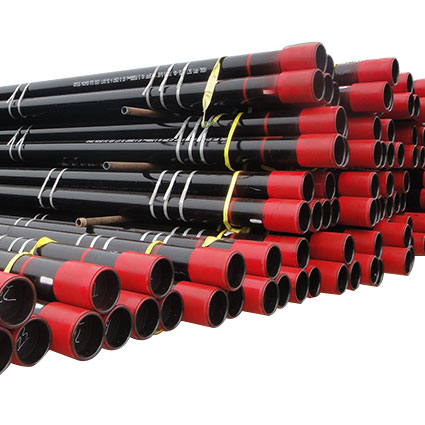
Selecting the appropriate Oil Casing is a critical step in the drilling process, as it directly impacts the efficiency and safety of oil extraction operations. To make an informed decision, it is essential to evaluate the well conditions and requirements thoroughly. This evaluation begins with a comprehensive understanding of the geological characteristics of the drilling site. Factors such as rock type, formation pressure, and temperature play a significant role in determining the type of casing needed. For instance, in areas with high-pressure formations, a thicker casing may be required to withstand the increased stress, while softer formations may necessitate a different approach to ensure stability.
In addition to geological factors, the anticipated production conditions must also be considered. This includes assessing the expected flow rates and the type of fluids that will be produced. For example, if the well is expected to produce corrosive fluids, selecting a casing Material that can resist corrosion, such as Stainless Steel or specialized alloys, becomes paramount. Furthermore, the presence of Gas or other volatile substances can influence the casing design, as these elements may require additional safety measures to prevent blowouts or leaks.
Another crucial aspect of evaluating well conditions is understanding the depth of the well. The depth not only affects the type of casing but also the installation process. Deeper wells may require casing that can endure higher loads and pressures, necessitating a more robust design. Additionally, the installation techniques may vary based on depth, with deeper wells often requiring more advanced technologies and equipment to ensure proper casing placement and integrity.
Moreover, the environmental conditions surrounding the well site should not be overlooked. Factors such as temperature fluctuations, seismic activity, and potential environmental hazards can all impact the choice of casing. For instance, in regions prone to earthquakes, selecting a casing that offers flexibility and resilience can help mitigate the risks associated with ground movement. Similarly, in areas with extreme temperatures, materials that can withstand thermal expansion and contraction are essential to maintain the integrity of the casing over time.
As the evaluation process contiNues, it is also vital to consider regulatory requirements and industry standards. Different regions may have specific regulations governing casing design and installation, which must be adhered to in order to ensure compliance and avoid potential legal issues. Engaging with local regulatory bodies and industry experts can provide valuable insights into these requirements, helping to guide the selection process.
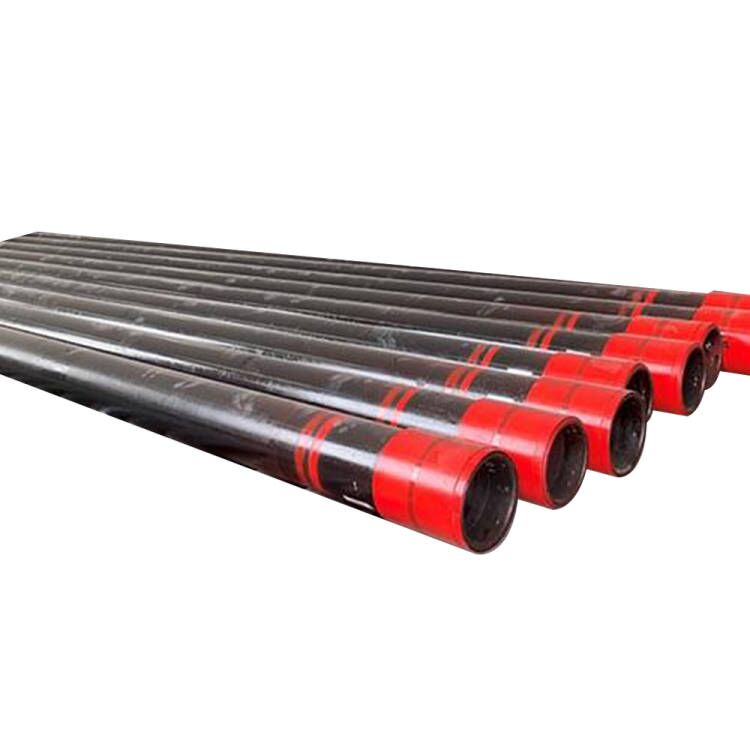
In conclusion, selecting the accurate oil casing according to true needs requires a multifaceted approach that encompasses a thorough evaluation of well conditions and requirements. By considering geological characteristics, anticipated production conditions, well depth, environmental factors, and regulatory standards, operators can make informed decisions that enhance the safety and efficiency of their drilling operations. This comprehensive evaluation not only ensures the integrity of the well but also contributes to the overall success of oil extraction efforts, ultimately leading to more sustainable and responsible resource management. As the industry continues to evolve, staying informed about advancements in casing technology and best practices will further empower operators to make optimal choices tailored to their specific needs.