Understanding Oil Casing types
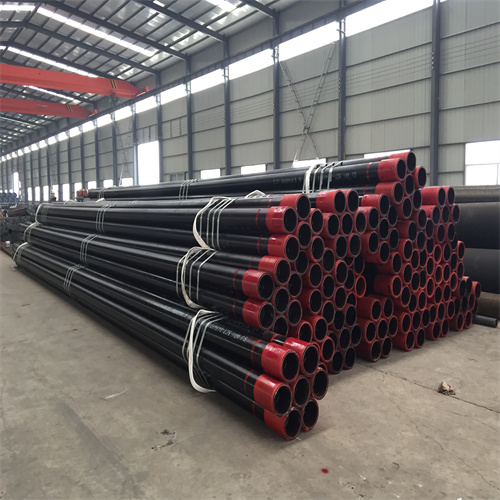
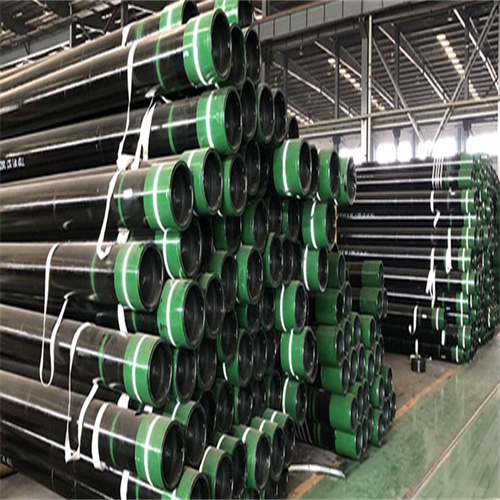
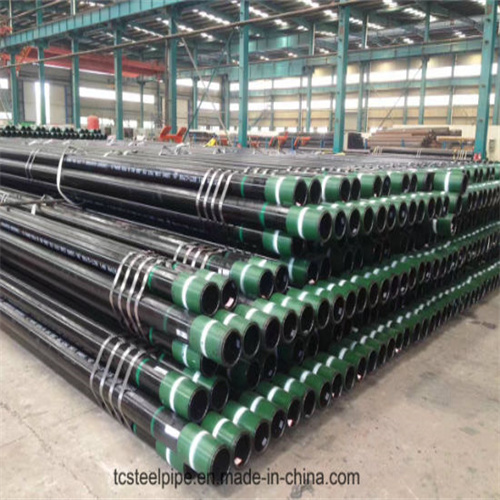
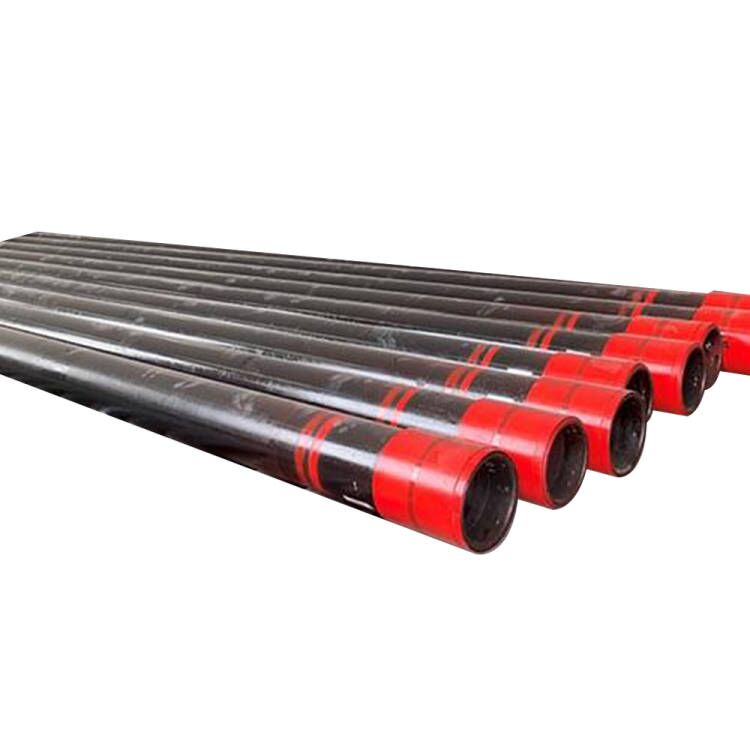
Selecting the appropriate oil casing is a critical decision in the Oil and Gas industry, as it directly impacts the efficiency and safety of drilling operations. To make an informed choice, it is essential to understand the various types of oil casing available and their specific applications. Oil casing serves as a protective layer for the wellbore, ensuring that the surrounding geological formations remain stable while preventing the contamination of groundwater. The primary types of oil casing include surface casing, intermediate casing, and production casing, each designed for distinct purposes and conditions.
Surface casing is typically the first layer installed in a well. Its primary function is to protect freshwater aquifers and provide structural integrity to the wellbore during the drilling process. This casing is usually set at a shallow depth and is cemented in place to create a barrier against any potential leaks. When selecting surface casing, factors such as the depth of the freshwater aquifer, the geological characteristics of the area, and the anticipated pressure conditions must be considered. By understanding these parameters, operators can choose a surface casing that effectively safeguards water resources while supporting the overall drilling operation.
Following the installation of surface casing, intermediate casing is often employed to address the challenges posed by deeper formations. This type of casing is designed to withstand higher pressures and temperatures, making it suitable for deeper drilling operations. The selection of intermediate casing requires careful consideration of the geological formations encountered, as well as the potential for issues such as wellbore instability or fluid influx. Operators must evaluate the mechanical properties of the casing Material, including its yield strength and Corrosion resistance, to ensure it can withstand the specific conditions of the well. By doing so, they can mitigate risks associated with drilling deeper into the earth.
Once the desired depth is reached, production casing is installed to facilitate the extraction of oil and gas. This casing is designed to withstand the harsh conditions present in the production zone, including high pressures and corrosive environments. The choice of production casing is influenced by several factors, including the type of hydrocarbons being produced, the expected production rates, and the overall design of the well. Operators must also consider the compatibility of the casing material with the fluids being extracted, as this can significantly impact the longevity and performance of the casing. By selecting the appropriate production casing, operators can enhance the efficiency of hydrocarbon recovery while minimizing the risk of equipment failure.
In addition to understanding the types of casing, it is crucial to consider the specifications and standards set by industry organizations. Compliance with these standards ensures that the selected casing meets the necessary safety and performance criteria. Furthermore, advancements in technology have led to the development of new materials and designs that can improve the performance of oil casing. By staying informed about these innovations, operators can make better decisions regarding casing selection, ultimately leading to more successful drilling operations.
In conclusion, selecting the accurate oil casing according to the true need configuration requires a comprehensive understanding of the various types of casing available and their specific applications. By carefully evaluating the geological conditions, pressure requirements, and production goals, operators can choose the most suitable casing for their drilling projects. This informed approach not only enhances the safety and efficiency of operations but also contributes to the overall success of oil and gas exploration and production endeavors.
Evaluating Well Conditions and Requirements
Selecting the appropriate oil casing is a critical step in the drilling process, as it directly impacts the efficiency and safety of oil extraction operations. To make an informed decision, it is essential to evaluate the well conditions and requirements thoroughly. This evaluation begins with a comprehensive understanding of the geological characteristics of the drilling site. Factors such as rock type, formation pressure, and temperature play a significant role in determining the type of casing needed. For instance, in areas with high-pressure formations, a thicker casing may be required to withstand the increased stress, while softer formations may necessitate a different approach to ensure stability.
In addition to geological factors, the anticipated production conditions must also be considered. This includes assessing the expected flow rates and the type of fluids that will be produced. For example, if the well is expected to produce corrosive fluids, selecting a casing material that can resist corrosion, such as Stainless Steel or specialized alloys, becomes paramount. Furthermore, the presence of gas or other volatile substances can influence the casing design, as these elements may require additional safety measures to prevent blowouts or leaks.
Another crucial aspect of evaluating well conditions is understanding the depth of the well. The depth not only affects the type of casing but also the installation process. Deeper wells may require casing that can endure higher loads and pressures, necessitating a more robust design. Additionally, the installation techniques may vary based on depth, with deeper wells often requiring more advanced technologies and equipment to ensure proper casing placement and integrity.
Moreover, the environmental conditions surrounding the well site should not be overlooked. Factors such as temperature fluctuations, seismic activity, and potential environmental hazards can all impact the choice of casing. For instance, in regions prone to earthquakes, selecting a casing that offers flexibility and resilience can help mitigate the risks associated with ground movement. Similarly, in areas with extreme temperatures, materials that can withstand thermal expansion and contraction are essential to maintain the integrity of the casing over time.
As the evaluation process contiNues, it is also vital to consider regulatory requirements and industry standards. Different regions may have specific regulations governing casing design and installation, which must be adhered to in order to ensure compliance and avoid potential legal issues. Engaging with local regulatory bodies and industry experts can provide valuable insights into these requirements, helping to guide the selection process.
bushing chinese Best Supplier
In conclusion, selecting the accurate oil casing according to true needs requires a multifaceted approach that encompasses a thorough evaluation of well conditions and requirements. By considering geological characteristics, anticipated production conditions, well depth, environmental factors, and regulatory standards, operators can make informed decisions that enhance the safety and efficiency of their drilling operations. This comprehensive evaluation not only ensures the integrity of the well but also contributes to the overall success of oil extraction efforts, ultimately leading to more sustainable and responsible resource management. As the industry continues to evolve, staying informed about advancements in casing technology and best practices will further empower operators to make optimal choices tailored to their specific needs.