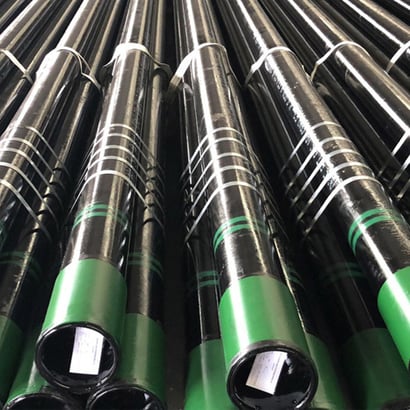
বায়োডিগ্রেডেবল অয়েল কেসিং অ্যান্টিকরোশন ম্যাটেরিয়ালস এর পরিবেশগত উপকারিতা
বায়োডিগ্রেডেবল অ্যান্টিকোরোশন ম্যাটেরিয়ালস নির্বাচনের জন্য ব্যবহারিক বিবেচনা
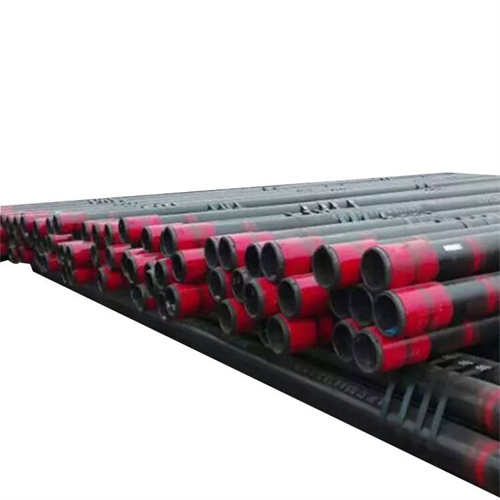
তৈলের আবরণের জন্য সঠিক ক্ষয়রোধী উপাদান নির্বাচন করা শুধুমাত্র কর্মক্ষমতার জন্য নয়, পরিবেশগত স্থায়িত্বের জন্যও গুরুত্বপূর্ণ। সাম্প্রতিক বছরগুলিতে, বায়োডিগ্রেডেবল বিকল্পগুলির উপর ক্রমবর্ধমান জোর দেওয়া হয়েছে যা কার্যকারিতার সাথে আপস না করে পরিবেশগত প্রভাবকে হ্রাস করে। এই নিবন্ধটি নির্দিষ্ট প্রয়োগের উপলক্ষগুলির জন্য তৈরি বায়োডিগ্রেডেবল অ্যান্টি-কোরোসন উপাদান নির্বাচন করার জন্য ব্যবহারিক বিবেচনাগুলি অন্বেষণ করে। বায়োডিগ্রেডেবল বিকল্পগুলি সময়ের সাথে সাথে প্রাকৃতিকভাবে ভেঙে ফেলার মাধ্যমে একটি প্রতিশ্রুতিশীল সমাধান দেয়, এইভাবে দীর্ঘমেয়াদী পরিবেশগত পদচিহ্ন হ্রাস করে। তাপমাত্রা, আর্দ্রতা এবং রাসায়নিক এক্সপোজারের মতো কারণগুলি উপাদানের কার্যকারিতা এবং জীবনকাল নির্ধারণে গুরুত্বপূর্ণ ভূমিকা পালন করে। উদাহরণস্বরূপ, অফশোর ড্রিলিং অপারেশনে যেখানে সামুদ্রিক জলের সংস্পর্শে আসা সাধারণ, উপকরণগুলিকে অবশ্যই বায়োডিগ্রেডেবল থাকা অবস্থায় লবণাক্ত জলের ক্ষয় সহ্য করতে হবে। যদিও পরিবেশগত স্থায়িত্ব অত্যন্ত গুরুত্বপূর্ণ, তেল আবরণের অখণ্ডতা এবং দীর্ঘায়ু নিশ্চিত করতে উপাদানটিকে অবশ্যই কর্মক্ষমতা মান পূরণ করতে হবে। বায়োটেকনোলজির অগ্রগতি বায়োডিগ্রেডেবল পলিমার এবং আবরণগুলির বিকাশের দিকে পরিচালিত করেছে যা ঐতিহ্যগত বিকল্পগুলির তুলনায় প্রতিযোগিতামূলক জারা সুরক্ষা প্রদান করে। যদিও বায়োডিগ্রেডেবল উপকরণগুলি প্রাথমিকভাবে প্রচলিত বিকল্পগুলির তুলনায় বেশি ব্যয়বহুল বলে মনে হতে পারে, তাদের দীর্ঘমেয়াদী সুবিধা, যার মধ্যে পরিবেশগত প্রতিকারের খরচ এবং নিয়ন্ত্রক সম্মতি রয়েছে, প্রায়শই অগ্রিম বিনিয়োগকে ছাড়িয়ে যায়৷ সরকার এবং আন্তর্জাতিক সংস্থাগুলি ক্রমবর্ধমানভাবে তেল এবং গ্যাস সেক্টরে টেকসই অনুশীলনের পক্ষে সমর্থন করে, কোম্পানিগুলিকে এই মানগুলির সাথে সারিবদ্ধ বায়োডিগ্রেডেবল উপাদানগুলি গ্রহণ করতে প্ররোচিত করে। প্রবিধানগুলির সাথে সম্মতি শুধুমাত্র কর্পোরেট সামাজিক দায়বদ্ধতা বাড়ায় না বরং পরিবেশগত অ-সম্মতির সাথে সম্পর্কিত আইনি ঝুঁকিগুলিকেও প্রশমিত করে৷ গবেষণা প্রতিষ্ঠানগুলি উদ্ভাবনী উপকরণগুলির বিকাশে একটি মুখ্য ভূমিকা পালন করে, যখন নির্মাতারা উত্পাদন স্কেলিং এবং মান নিয়ন্ত্রণ নিশ্চিত করার দিকে মনোনিবেশ করে। শেষ-ব্যবহারকারীরা, যেমন তেল কোম্পানি এবং ড্রিলিং অপারেটররা, বাস্তব-বিশ্বের পরিস্থিতিতে বস্তুগত কার্যকারিতা সম্পর্কে মূল্যবান প্রতিক্রিয়া প্রদান করে, ক্রমাগত উন্নতি এবং অভিযোজন সহজতর করে। প্রশিক্ষণ কর্মসূচি এবং সেমিনারগুলি টেকসই বিকল্পগুলির সুবিধা এবং প্রয়োগ সম্পর্কে স্টেকহোল্ডারদের আলোকিত করতে পারে, পরিবেশগত স্টুয়ার্ডশিপের সম্মিলিত প্রতিশ্রুতিকে উত্সাহিত করতে পারে। . পারফরম্যান্সের সাথে আপস না করে স্থায়িত্বকে অগ্রাধিকার দিয়ে, স্টেকহোল্ডাররা তেল ও গ্যাস শিল্পের জন্য একটি সবুজ ভবিষ্যতের জন্য অবদান রাখতে পারে। উদ্ভাবন এবং সহযোগিতা গ্রহণ করা বায়োডিগ্রেডেবল প্রযুক্তিতে ক্রমাগত অগ্রগতি চালাবে, জারা সুরক্ষায় আরও দায়িত্বশীল অনুশীলনের পথ প্রশস্ত করবে।
Practical Considerations for Selecting Biodegradable Anticorrosion Materials
Choosing the right anticorrosion material for Oil Casing is crucial not only for performance but also for environmental sustainability. In recent years, there has been a growing emphasis on biodegradable options that minimize environmental impact without compromising on efficacy. This article explores practical considerations for selecting biodegradable anticorrosion materials tailored to specific application occasions.
In the realm of oil casing, where protection against corrosion is paramount, traditional materials often pose environmental risks due to their persistence in ecosystems. Biodegradable alternatives offer a promising solution by breaking down naturally over time, thus reducing long-term environmental footprint.
One primary consideration when selecting biodegradable anticorrosion materials is their compatibility with the intended application environment. Factors such as temperature, humidity, and chemical exposure play pivotal roles in determining the material\’s effectiveness and lifespan. For instance, in offshore drilling operations where exposure to seawater is common, materials must withstand saltwater corrosion while remaining biodegradable.
Moreover, the efficiency of biodegradable materials in inhibiting corrosion must be thoroughly evaluated. While environmental sustainability is crucial, the material must also meet performance standards to ensure the integrity and longevity of oil casing. Advances in biotechnology have led to the development of biodegradable polymers and coatings that offer competitive corrosion protection compared to traditional options.
petroleum Casing Pipe SupplierCost-effectiveness is another critical factor influencing material selection. While biodegradable materials may initially appear more expensive than conventional alternatives, their long-term benefits, including reduced environmental remediation costs and regulatory compliance, often outweigh the upfront investment.
Furthermore, regulatory requirements and industry standards shape the landscape of material selection. Governments and international bodies increasingly advocate for sustainable practices in the Oil and Gas sector, prompting Companies to adopt biodegradable materials that align with these standards. Compliance with regulations not only enhances corporate social responsibility but also mitigates legal risks associated with environmental non-compliance.
In practice, collaboration between researchers, Manufacturers, and end-users is essential for refining biodegradable anticorrosion technologies. Research institutions play a pivotal role in developing innovative materials, while manufacturers focus on scaling production and ensuring quality control. End-users, such as oil companies and drilling operators, provide valuable feedback on material performance in real-world scenarios, facilitating continuous improvement and adaptation.
Lastly, education and awareness within the industry are crucial for widespread adoption of biodegradable anticorrosion materials. Training programs and seminars can enlighten stakeholders about the benefits and applications of sustainable alternatives, fostering a collective commitment to environmental stewardship.
In conclusion, selecting biodegradable anticorrosion materials for oil casing involves a multifaceted approach encompassing technical, economic, regulatory, and environmental considerations. By prioritizing sustainability without compromising performance, stakeholders can contribute to a greener future for the oil and gas industry. Embracing innovation and collaboration will drive contiNued advancements in biodegradable technologies, paving the way for more responsible practices in corrosion protection.