দীর্ঘায়িত স্থায়িত্বের জন্য উন্নত জারা-প্রতিরোধী আবরণ
ন্যানোটেকনোলজি ইন্টিগ্রেশন ফর স্ট্রেংথেনিং এবং টফেনিং প্রোপার্টি
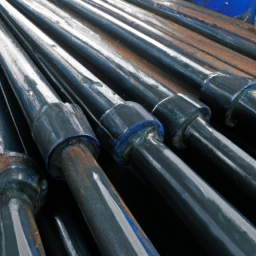
তেল আবরণে একটি নতুন অগ্রগতি: দ্বিগুণ পরিষেবা জীবন অগ্রগতির জন্য উদ্ভাবনী নকশা। তেলের আবরণের শক্তি এবং স্থিতিস্থাপকতা বাড়ানোর জন্য ন্যানো প্রযুক্তির একীকরণের মধ্যে এই ধরনের একটি অগ্রগতি রয়েছে। নিষ্কাশনের সময় কূপগুলির অখণ্ডতা বজায় রাখার জন্য প্রয়োজনীয় এই আবরণগুলি পরিবেশগত চাপ এবং কর্মক্ষম চাহিদা থেকে যথেষ্ট চ্যালেঞ্জের মুখোমুখি হয়। ন্যানোম্যাটেরিয়ালের সংযোজন একটি উল্লেখযোগ্য অগ্রগতি চিহ্নিত করে, যা তেলের আবরণগুলির পরিষেবা জীবনকে যথেষ্ট ব্যবধানে প্রসারিত করার প্রতিশ্রুতি দেয়। ইস্পাত খাদ তাদের দৃঢ়তার জন্য মূল্যবান। যাইহোক, ক্ষয়কারী পদার্থ এবং চরম চাপ সহ তেল কূপের মধ্যে কঠোর অবস্থা প্রায়ই অকাল পরিধান এবং ব্যর্থতার দিকে পরিচালিত করে। এই সমস্যাগুলি প্রশমিত করার জন্য, গবেষকরা ন্যানোটেকনোলজির দিকে মনোনিবেশ করেছেন, কেসিং উপকরণগুলিকে শক্তিশালী করার জন্য ন্যানো পার্টিকেলগুলির অনন্য বৈশিষ্ট্যগুলি ব্যবহার করে। ন্যানো পার্টিকেল, তাদের উচ্চ পৃষ্ঠের ক্ষেত্রফল থেকে আয়তনের অনুপাতের কারণে, কেসিং উপাদান ম্যাট্রিক্সের মধ্যে ছড়িয়ে দেওয়া যেতে পারে, এর যান্ত্রিক বৈশিষ্ট্য যেমন প্রসার্য শক্তি এবং কঠোরতা বৃদ্ধি করে। গ্রাফিন অক্সাইড বা টাইটানিয়াম ডাই অক্সাইডের মতো জারা-প্রতিরোধী ন্যানো পার্টিকেলগুলিকে একীভূত করে, গবেষকরা তেল নিষ্কাশন ক্রিয়াকলাপে প্রচলিত আক্রমনাত্মক রাসায়নিক পরিবেশ সহ্য করতে সক্ষম কেসিং তৈরি করেছেন। এই ন্যানো পার্টিকেলগুলি প্রতিরক্ষামূলক স্তর বা বাধা তৈরি করে যা কেসিংকে ক্ষয়কারী এজেন্ট থেকে রক্ষা করে, যার ফলে এর কর্মক্ষম জীবনকাল দীর্ঘায়িত হয়। উদাহরণস্বরূপ, ন্যানো পার্টিকেলগুলির গঠন এবং বন্টন পরিবর্তন করে, প্রকৌশলীরা বর্ধিত দৃঢ়তা বা উন্নত ক্লান্তি প্রতিরোধের প্রদর্শনের জন্য কেসিং তৈরি করতে পারেন। এই বহুমুখিতা বিশ্বব্যাপী তেল ক্ষেত্রের সম্মুখীন বিভিন্ন ভূতাত্ত্বিক এবং কর্মক্ষম অবস্থার মধ্যে কেসিং কর্মক্ষমতা অপ্টিমাইজ করার ক্ষেত্রে গুরুত্বপূর্ণ। ন্যানো পার্টিকেল যেমন কার্বন ন্যানোটিউব বা সিরামিক ন্যানো পার্টিকেলগুলি তাপ অপচয় এবং তাপ পরিবাহিতা বাড়ানোর জন্য অন্তর্ভুক্ত করা যেতে পারে। এই ক্ষমতা উচ্চ-তাপমাত্রার জলাধারগুলিতে বিশেষভাবে সুবিধাজনক যেখানে প্রচলিত উপকরণগুলি সময়ের সাথে সাথে কাঠামোগত অখণ্ডতা হ্রাস করতে পারে বা হারাতে পারে। কেসিংয়ের পরিষেবা জীবন বাড়ানোর মাধ্যমে, কম প্রতিস্থাপনের প্রয়োজন হয়, যার ফলে উত্পাদন এবং নিষ্পত্তির সাথে সম্পর্কিত উপাদানের ব্যবহার এবং পরিবেশগত প্রভাব হ্রাস পায়। আরও টেকসই এবং দক্ষ পরিকাঠামোর দিকে এই স্থানান্তরটি কার্যক্ষম দক্ষতা এবং পরিবেশগত স্টুয়ার্ডশিপের প্রতি শিল্পের প্রতিশ্রুতিকে সমর্থন করে। স্ব-নিরাময় ন্যানোকম্পোজিট বা বহুমুখী আবরণের মতো উদ্ভাবনগুলি তেল ক্ষেত্রের সরঞ্জামগুলিতে স্থায়িত্ব এবং নির্ভরযোগ্যতার সীমানা ঠেলে দেওয়ার প্রতিশ্রুতি রাখে। এই অগ্রগতিগুলি অবকাঠামো নকশা এবং রক্ষণাবেক্ষণের জন্য শক্তি সেক্টরের পদ্ধতির বৈপ্লবিক পরিবর্তনের ক্ষেত্রে ন্যানো প্রযুক্তির রূপান্তরমূলক সম্ভাবনাকে আন্ডারস্কোর করে৷ . ন্যানো পার্টিকেলগুলির অনন্য বৈশিষ্ট্যগুলিকে কাজে লাগানোর মাধ্যমে, প্রকৌশলীরা দীর্ঘস্থায়ী চ্যালেঞ্জগুলি অতিক্রম করতে পারে এবং টেকসই এবং দক্ষ তেল নিষ্কাশন অনুশীলনের একটি নতুন যুগের সূচনা করতে পারে। গবেষণার অগ্রগতি এবং প্রযুক্তির বিকাশের সাথে সাথে তেলের আবরণের ভবিষ্যত ক্রমবর্ধমানভাবে প্রতিশ্রুতিশীল দেখায়, ন্যানোস্কেলে উদ্ভাবনের দ্বারা চালিত৷
Looking ahead, ongoing research and development efforts contiNue to push the boundaries of corrosion-resistant technology. innovations in nanotechnology, for instance, hold promise for further enhancing the protective properties of coatings while minimizing environmental impact during manufacturing and application processes.
In conclusion, the advent of advanced corrosion-resistant coatings marks a significant milestone in the evolution of Oil Casing technology. By doubling the service life of casings through innovative design and Materials, these developments underscore a commitment to operational efficiency, safety, and sustainability in the Oil and Gas sector. As these technologies continue to mature and integrate into mainstream practices, the industry stands to benefit from enhanced reliability, reduced costs, and a more resilient approach to meeting global energy demands.
The journey towards prolonged durability in oil casings exemplifies the industry’s proactive stance in overcoming challenges through innovation. With each advancement, the promise of safer, more efficient, and environmentally responsible oil extraction becomes increasingly tangible, reaffirming the pivotal role of technological progress in sh APIng the future of energy production.
Nanotechnology Integration for Strengthening and Toughening Properties
A new progress in oil casing: Innovative design for double service life advancement.
In the realm of oil extraction and refining, advancements in materials science play a pivotal role in enhancing efficiency and durability. One such breakthrough lies in the integration of nanotechnology to bolster the strength and resilience of oil casings. These casings, essential for maintaining the integrity of wells during extraction, face substantial challenges from environmental stressors and operational demands. The incorporation of nanomaterials marks a significant leap forward, promising to extend the service life of oil casings by a considerable margin.
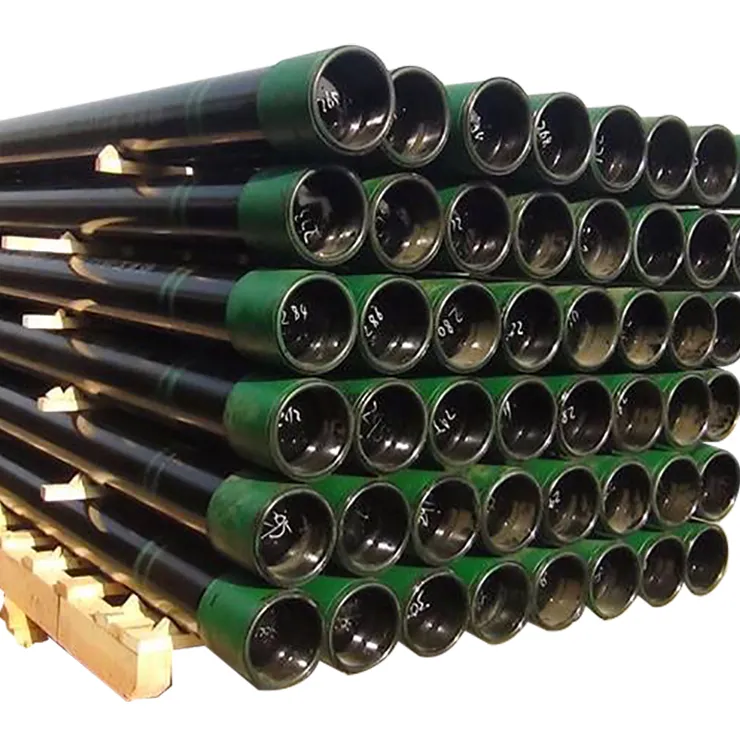
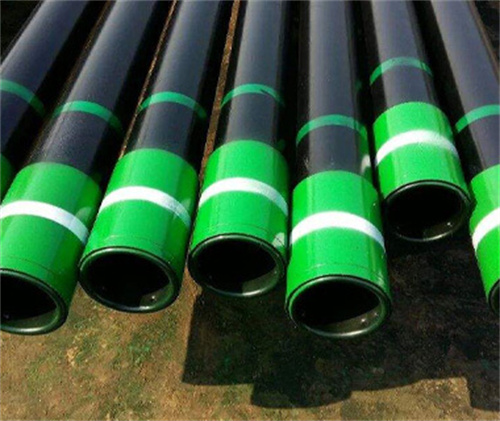
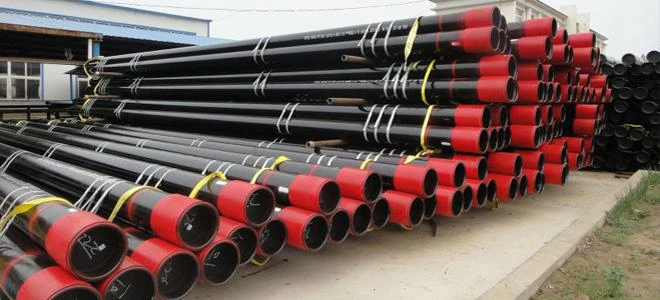
API 5L / ASTM A106 / A53 Grad B Carbon Seamless Steel Pipe Oil Casing good PriceTraditionally, oil casings have been manufactured from steel alloys prized for their robustness. However, the harsh conditions within Oil Wells, including corrosive substances and extreme pressures, often lead to premature wear and failure. To mitigate these issues, researchers have turned to nanotechnology, leveraging the unique properties of nanoparticles to fortify casing materials. Nanoparticles, due to their high surface area-to-volume ratio, can be dispersed within the casing material matrix, enhancing its mechanical properties such as tensile strength and hardness.
One of the key challenges addressed by nanotechnology is Corrosion resistance. By integrating corrosion-resistant nanoparticles like graphene oxide or titanium dioxide, researchers have developed casings capable of withstanding aggressive chemical environments prevalent in oil extraction operations. These nanoparticles form protective layers or barriers that shield the casing from corrosive agents, thereby prolonging its operational lifespan.
Furthermore, nanotechnology enables the customization of casing properties to suit specific operational requirements. For instance, by altering the composition and distribution of nanoparticles, engineers can tailor casings to exhibit enhanced toughness or improved fatigue resistance. This versatility is crucial in optimizing casing performance across diverse geological and operational conditions encountered in oil fields worldwide.
In addition to enhancing mechanical and chemical properties, nanotechnology contributes to improving the thermal stability of oil casings. Nanoparticles such as carbon nanotubes or ceramic nanoparticles can be incorporated to enhance heat dissipation and thermal conductivity. This capability is particularly advantageous in high-temperature reservoirs where conventional materials may degrade or lose structural integrity over time.
Moreover, the adoption of nanotechnology in oil casings aligns with broader industry trends towards sustainable practices. By extending the service life of casings, fewer replacements are needed, resulting in reduced material consumption and environmental impact associated with manufacturing and disposal. This shift towards more durable and efficient infrastructure supports the industry’s commitment to operational efficiency and environmental stewardship.
Looking ahead, ongoing research continues to explore novel nanomaterials and manufacturing techniques to further enhance the performance of oil casings. Innovations such as self-healing nanocomposites or multifunctional coatings hold promise for pushing the boundaries of durability and reliability in oil field equipment. These advancements underscore the transformative potential of nanotechnology in revolutionizing the energy sector’s approach to infrastructure design and Maintenance.
In conclusion, the integration of nanotechnology represents a paradigm shift in the development of oil casings, offering unprecedented improvements in strength, durability, and resilience. By harnessing the unique properties of nanoparticles, engineers can overcome longstanding challenges and usher in a new era of sustainable and efficient oil extraction practices. As research progresses and technologies evolve, the future of oil casings looks increasingly promising, driven by innovation at the nanoscale.