Mipako Iliyoimarishwa Inayostahimili Kutu kwa Inayodumu kwa Muda Mrefu
Muunganisho wa Nanoteknolojia kwa ajili ya Kuimarisha na Kuimarisha Sifa
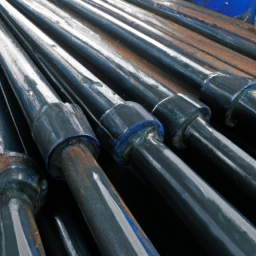
Maendeleo mapya katika uwekaji mafuta: Muundo bunifu wa maendeleo ya maisha ya huduma maradufu.
Katika nyanja ya uchimbaji na usafishaji wa mafuta, maendeleo katika sayansi ya nyenzo huwa na jukumu muhimu katika kuimarisha ufanisi na uimara. Ufanisi mmoja kama huo upo katika ujumuishaji wa teknolojia ya nano ili kuimarisha uimara na uimara wa kasha za mafuta. Vifuniko hivi, muhimu kwa kudumisha uadilifu wa visima wakati wa uchimbaji, vinakabiliwa na changamoto kubwa kutoka kwa mikazo ya mazingira na mahitaji ya uendeshaji. Ujumuishaji wa nanoMaterials unaashiria hatua kubwa ya kusonga mbele, na kuahidi kupanua maisha ya huduma ya vifuniko vya mafuta kwa kiasi kikubwa.
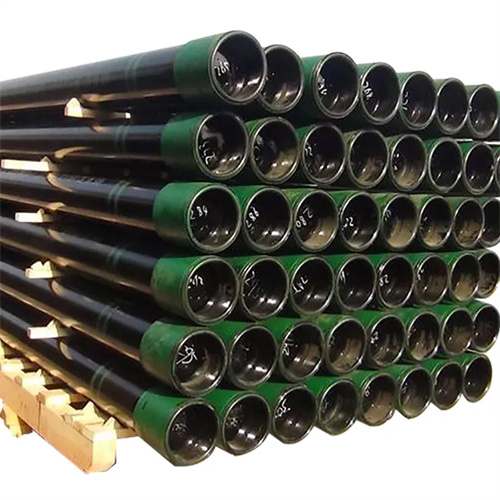
API 5L / ASTM A106 / A53 Grad B ya Bomba la Mafuta ya Carbon Imefumwa Bei Nzuri Kijadi, makasha ya mafuta yametengenezwa kutoka. aloi za chuma zinazothaminiwa kwa uimara wao. Hata hivyo, hali mbaya ndani ya visima vya mafuta, ikiwa ni pamoja na vitu vya babuzi na shinikizo kali, mara nyingi husababisha kuvaa mapema na kushindwa. Ili kupunguza maswala haya, watafiti wamegeukia nanoteknolojia, wakitumia mali ya kipekee ya nanoparticles ili kuimarisha vifaa vya Casing. Nanoparticles, kutokana na uwiano wao wa juu wa eneo-kwa-kiasi, zinaweza kutawanywa ndani ya matriki ya nyenzo ya casing, na kuimarisha sifa zake za kimitambo kama vile uimara wa mkazo na ugumu.
Mojawapo ya changamoto kuu zinazoshughulikiwa na nanoteknolojia ni ukinzani wa kutu. Kwa kuunganisha nanoparticles zinazostahimili kutu kama vile oksidi ya graphene au dioksidi ya titani, watafiti wameunda maganda yenye uwezo wa kuhimili mazingira ya kemikali ya fujo yaliyoenea katika shughuli za uchimbaji wa mafuta. Nanoparticles hizi huunda safu za kinga au vizuizi ambavyo hulinda kifuko dhidi ya ajenti za babuzi, na hivyo kurefusha muda wake wa kufanya kazi.
Aidha, nanoteknolojia huwezesha uwekaji mapendeleo wa sifa za kasha ili kukidhi mahitaji mahususi ya uendeshaji. Kwa mfano, kwa kubadilisha muundo na usambazaji wa nanoparticles, wahandisi wanaweza kurekebisha casings ili kuonyesha ushupavu ulioimarishwa au upinzani ulioboreshwa wa uchovu. Utangamano huu ni muhimu katika kuboresha utendakazi wa kasha katika hali mbalimbali za kijiolojia na uendeshaji zinazokabiliwa na maeneo ya mafuta duniani kote.
Pamoja na kuimarisha sifa za kiufundi na kemikali, nanoteknolojia huchangia kuboresha uthabiti wa joto wa makasha ya mafuta. Nanoparticles kama vile nanotubes za kaboni au nanoparticles za kauri zinaweza kujumuishwa ili kuboresha utengano wa joto na upitishaji wa joto. Uwezo huu ni wa manufaa hasa katika hifadhi za halijoto ya juu ambapo nyenzo za kawaida zinaweza kuharibu au kupoteza uadilifu wa muundo baada ya muda.
Aidha, kupitishwa kwa nanoteknolojia katika maganda ya mafuta kunalingana na mwelekeo mpana wa sekta kuelekea mazoea endelevu. Kwa kupanua maisha ya huduma ya casings, uingizwaji mdogo unahitajika, na kusababisha kupunguza matumizi ya nyenzo na athari za mazingira zinazohusiana na utengenezaji na utupaji. Mabadiliko haya kuelekea miundombinu ya kudumu na yenye ufanisi zaidi inasaidia dhamira ya tasnia ya ufanisi wa kazi na utunzaji wa mazingira.
Tukiangalia mbeleni, utafiti unaoendelea unaendelea kuchunguza riwaya za nanomaterials na mbinu za utengenezaji ili kuboresha zaidi utendakazi wa makasha ya mafuta. Ubunifu kama vile nanocomposites za kujiponya au mipako inayofanya kazi nyingi hushikilia ahadi ya kusukuma mipaka ya uimara na kutegemewa katika vifaa vya uwanja wa mafuta. Maendeleo haya yanasisitiza uwezekano wa mabadiliko ya nanoteknolojia katika kuleta mapinduzi katika mbinu ya sekta ya nishati katika muundo na matengenezo ya miundombinu.
Kwa kumalizia, ujumuishaji wa nanoteknolojia unawakilisha mabadiliko ya dhana katika uundaji wa vifuko vya mafuta, vinavyotoa uboreshaji usio na kifani wa nguvu, uimara na uthabiti. . Kwa kutumia sifa za kipekee za nanoparticles, wahandisi wanaweza kushinda changamoto za muda mrefu na kuanzisha enzi mpya ya mazoea endelevu na bora ya uchimbaji wa mafuta. Kadiri utafiti unavyoendelea na teknolojia kubadilika, mustakabali wa maganda ya mafuta unaonekana kutumainiwa zaidi, ukichochewa na uvumbuzi katika nanoscale.
Looking ahead, ongoing research and development efforts contiNue to push the boundaries of corrosion-resistant technology. innovations in nanotechnology, for instance, hold promise for further enhancing the protective properties of coatings while minimizing environmental impact during manufacturing and application processes.
In conclusion, the advent of advanced corrosion-resistant coatings marks a significant milestone in the evolution of Oil Casing technology. By doubling the service life of casings through innovative design and materials, these developments underscore a commitment to operational efficiency, safety, and sustainability in the Oil and Gas sector. As these technologies continue to mature and integrate into mainstream practices, the industry stands to benefit from enhanced reliability, reduced costs, and a more resilient approach to meeting global energy demands.
The journey towards prolonged durability in oil casings exemplifies the industry’s proactive stance in overcoming challenges through innovation. With each advancement, the promise of safer, more efficient, and environmentally responsible oil extraction becomes increasingly tangible, reaffirming the pivotal role of technological progress in shaping the future of energy production.
Nanotechnology Integration for Strengthening and Toughening Properties
A new progress in oil casing: Innovative design for double service life advancement.
In the realm of oil extraction and refining, advancements in materials science play a pivotal role in enhancing efficiency and durability. One such breakthrough lies in the integration of nanotechnology to bolster the strength and resilience of oil casings. These casings, essential for maintaining the integrity of wells during extraction, face substantial challenges from environmental stressors and operational demands. The incorporation of nanomaterials marks a significant leap forward, promising to extend the service life of oil casings by a considerable margin.
API 5L / ASTM A106 / A53 Grad B Carbon Seamless Steel Pipe Oil Casing good PriceTraditionally, oil casings have been manufactured from steel alloys prized for their robustness. However, the harsh conditions within Oil Wells, including corrosive substances and extreme pressures, often lead to premature wear and failure. To mitigate these issues, researchers have turned to nanotechnology, leveraging the unique properties of nanoparticles to fortify casing materials. Nanoparticles, due to their high surface area-to-volume ratio, can be dispersed within the casing material matrix, enhancing its mechanical properties such as tensile strength and hardness.
One of the key challenges addressed by nanotechnology is Corrosion resistance. By integrating corrosion-resistant nanoparticles like graphene oxide or titanium dioxide, researchers have developed casings capable of withstanding aggressive chemical environments prevalent in oil extraction operations. These nanoparticles form protective layers or barriers that shield the casing from corrosive agents, thereby prolonging its operational lifespan.
Furthermore, nanotechnology enables the customization of casing properties to suit specific operational requirements. For instance, by altering the composition and distribution of nanoparticles, engineers can tailor casings to exhibit enhanced toughness or improved fatigue resistance. This versatility is crucial in optimizing casing performance across diverse geological and operational conditions encountered in oil fields worldwide.
In addition to enhancing mechanical and chemical properties, nanotechnology contributes to improving the thermal stability of oil casings. Nanoparticles such as carbon nanotubes or ceramic nanoparticles can be incorporated to enhance heat dissipation and thermal conductivity. This capability is particularly advantageous in high-temperature reservoirs where conventional materials may degrade or lose structural integrity over time.
Moreover, the adoption of nanotechnology in oil casings aligns with broader industry trends towards sustainable practices. By extending the service life of casings, fewer replacements are needed, resulting in reduced material consumption and environmental impact associated with manufacturing and disposal. This shift towards more durable and efficient infrastructure supports the industry’s commitment to operational efficiency and environmental stewardship.
Looking ahead, ongoing research continues to explore novel nanomaterials and manufacturing techniques to further enhance the performance of oil casings. Innovations such as self-healing nanocomposites or multifunctional coatings hold promise for pushing the boundaries of durability and reliability in oil field equipment. These advancements underscore the transformative potential of nanotechnology in revolutionizing the energy sector’s approach to infrastructure design and Maintenance.
In conclusion, the integration of nanotechnology represents a paradigm shift in the development of oil casings, offering unprecedented improvements in strength, durability, and resilience. By harnessing the unique properties of nanoparticles, engineers can overcome longstanding challenges and usher in a new era of sustainable and efficient oil extraction practices. As research progresses and technologies evolve, the future of oil casings looks increasingly promising, driven by innovation at the nanoscale.