তেল আবরণ শিল্পের টেকসই উন্নয়নে নীতি কাঠামোর গুরুত্ব
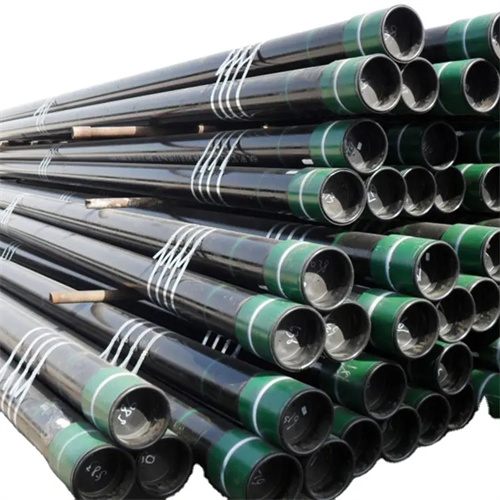
পলিসি ফ্রেমওয়ার্কগুলি বিশ্বব্যাপী তেলের আবরণ শিল্পের স্থায়িত্ব গঠনে একটি গুরুত্বপূর্ণ ভূমিকা পালন করে। এই কাঠামোগুলি নির্দেশক নীতি হিসাবে কাজ করে যা শিল্পের মধ্যে ক্রিয়াকলাপ এবং অনুশীলনগুলি পরিচালনা করে, পরিবেশগত, সামাজিক এবং অর্থনৈতিক বিবেচনাগুলিকে বিবেচনায় নেওয়া হয় তা নিশ্চিত করে। তেল আবরণ সেক্টরের মধ্যে স্থায়িত্ব প্রচারে নীতির ভূমিকা বিশ্লেষণ করে, আমরা কীভাবে প্রবিধান এবং নির্দেশিকা শিল্পের বিকাশ এবং দীর্ঘমেয়াদী কার্যকারিতাকে প্রভাবিত করে সে সম্পর্কে মূল্যবান অন্তর্দৃষ্টি অর্জন করতে পারি। এবং প্রবিধান যা তেল আবরণ শিল্পের মধ্যে পরিবেশ বান্ধব অনুশীলন প্রচার করে। এই মানগুলি প্রায়শই শিল্পের কার্বন পদচিহ্ন হ্রাস, বর্জ্য উত্পাদন হ্রাস এবং টেকসই উপকরণ এবং প্রযুক্তির ব্যবহার প্রচারের উপর ফোকাস করে। এই প্রবিধানগুলি মেনে চলার মাধ্যমে, তেল আবরণ সেক্টরে কর্মরত কোম্পানিগুলি জলবায়ু পরিবর্তন মোকাবেলা এবং পরিবেশগত অবক্ষয় কমানোর বৈশ্বিক প্রচেষ্টায় অবদান রাখতে পারে। শ্রম চর্চা, সম্প্রদায়ের সম্পৃক্ততা এবং স্টেকহোল্ডারদের সম্পৃক্ততার সাথে সম্পর্কিত নির্দেশিকা প্রতিষ্ঠা করে, এই নীতিগুলি আরও অন্তর্ভুক্তিমূলক এবং ন্যায়সঙ্গত শিল্প ল্যান্ডস্কেপ তৈরি করতে সহায়তা করে। কোম্পানিগুলিকে তাদের কর্মীদের মঙ্গলকে অগ্রাধিকার দিতে, স্থানীয় সম্প্রদায়ের সাথে জড়িত থাকার জন্য এবং তাদের ক্রিয়াকলাপের সাথে জড়িত সকল স্টেকহোল্ডারদের স্বার্থ বিবেচনা করতে উত্সাহিত করা হয়। তেল আবরণ শিল্পের স্থায়িত্ব উপর. প্রবিধান এবং প্রণোদনার পরিপ্রেক্ষিতে স্বচ্ছতা এবং স্থিতিশীলতা প্রদান করে, এই নীতিগুলি বিনিয়োগ এবং উদ্ভাবনের জন্য একটি অনুকূল পরিবেশ তৈরি করে। যে কোম্পানিগুলি এই নিয়মগুলি মেনে চলে তাদের বিনিয়োগকারীদের আকৃষ্ট করার, অর্থায়নের সুযোগগুলি অ্যাক্সেস করার এবং দীর্ঘমেয়াদী প্রবৃদ্ধি এবং লাভজনকতা বৃদ্ধির সম্ভাবনা বেশি৷ উদ্ভাবনী সমাধান। শিল্প স্টেকহোল্ডার, নীতিনির্ধারক এবং বিশেষজ্ঞদের একত্রিত করে, এই নীতিগুলি কথোপকথন এবং সহযোগিতার সুবিধা দেয়, অবশেষে তেল আবরণ সেক্টরের মধ্যে ক্রমাগত উন্নতি এবং শিক্ষার সংস্কৃতিকে উত্সাহিত করে৷ আবরণ শিল্প overstated করা যাবে না. এই প্রবিধান এবং নির্দেশিকাগুলি শিল্পের মধ্যে দায়িত্বশীল এবং নৈতিক অনুশীলনের ভিত্তি হিসাবে কাজ করে, এটি নিশ্চিত করে যে পরিবেশগত, সামাজিক এবং অর্থনৈতিক বিবেচনাগুলি সিদ্ধান্ত গ্রহণের প্রক্রিয়াগুলিতে একীভূত হয়। তেল আবরণ খাতে নীতির প্রভাব বিশ্লেষণ করে, আমরা আরও ভালভাবে বুঝতে পারি যে কীভাবে প্রবিধানগুলি শিল্পের গতিপথকে আকার দেয় এবং দ্রুত পরিবর্তনশীল বৈশ্বিক ল্যান্ডস্কেপে এর দীর্ঘমেয়াদী সাফল্য এবং স্থিতিস্থাপকতায় অবদান রাখে৷
গ্লোবাল ইনিশিয়েটিভস এবং রেগুলেশনস ড্রাইভিং সাসটেইনেবিলিটি ইন দ্য অয়েল কেসিং সেক্টর
অয়েল কেসিং শিল্পে স্থায়িত্বের প্রচারের জন্য সফল নীতি হস্তক্ষেপের কেস স্টাডিজ
এছাড়া, পাবলিক-প্রাইভেট অংশীদারিত্ব তেল আবরণ শিল্পে টেকসইতা প্রচারের জন্য কার্যকর প্রক্রিয়া হিসেবে আবির্ভূত হয়েছে। সরকারী সংস্থা, শিল্প খেলোয়াড় এবং সুশীল সমাজ সংস্থাগুলিকে একত্রিত করার মাধ্যমে, এই অংশীদারিত্বগুলি জ্ঞান ভাগ করে নেওয়া, প্রযুক্তি স্থানান্তর এবং টেকসই অনুশীলনে সক্ষমতা তৈরির সুবিধা দিয়েছে৷ সহযোগিতামূলক উদ্যোগের মাধ্যমে, স্টেকহোল্ডাররা সাধারণ চ্যালেঞ্জ মোকাবেলা করতে এবং শিল্পে ইতিবাচক পরিবর্তন আনতে, ভাগ করে নেওয়া টেকসই লক্ষ্যের দিকে কাজ করতে সক্ষম হয়েছে। শিল্প সহযোগিতা, এবং বিশ্বব্যাপী স্থায়িত্ব প্রচারে আর্থিক প্রণোদনা। এই উদাহরণগুলি থেকে শিক্ষা নিয়ে, নীতিনির্ধারক, শিল্প নেতা এবং অন্যান্য স্টেকহোল্ডাররা তেল আবরণ শিল্পের মুখোমুখি পরিবেশগত এবং সামাজিক চ্যালেঞ্জগুলি মোকাবেলা করতে এবং আরও টেকসই ভবিষ্যতের জন্য পথ প্রশস্ত করতে কার্যকর কৌশল তৈরি করতে পারে৷
Analyzing the policy role in promoting Oil Casing industry sustainability globally requires a comprehensive understanding of the various policy interventions that have successfully promoted sustainability in this sector. Policy interventions play a crucial role in sh APIng the practices and behaviors of Companies operating in the oil casing industry. By examining case studies of successful policy interventions, we can gain valuable insights into the strategies that have effectively promoted sustainability in this industry.
One notable case study is the implementation of stringent environmental regulations in a major oil-producing country. These regulations mandated the use of environmentally friendly Materials in oil casing production and imposed strict emissions standards on oil companies. As a result, companies in the oil casing industry were incentivized to adopt sustainable practices to comply with these regulations. This policy intervention not only reduced the environmental impact of oil casing production but also encouraged innovation in sustainable technologies within the industry.
https://youtube.com/watch?v=IynKNbSIcXcAnother successful policy intervention involved the establishment of industry-wide sustainability standards through collaboration between government agencies, industry stakeholders, and environmental organizations. These standards set clear guidelines for sustainable practices in the oil casing industry, covering aspects such as waste management, energy efficiency, and community engagement. By aligning industry practices with these standards, companies were able to improve their sustainability performance while enhancing their reputation as responsible corporate citizens.
In addition to regulatory measures and industry standards, financial incentives have also played a significant role in promoting sustainability in the oil casing industry. Governments and international organizations have offered grants, subsidies, and tax incentives to companies that invest in sustainable technologies and practices. These financial incentives have encouraged companies to prioritize sustainability in their operations, leading to a shift towards more environmentally friendly practices in the industry.
 Furthermore, public-private partnerships have emerged as effective mechanisms for promoting sustainability in the oil casing industry. By bringing together government agencies, industry players, and civil society organizations, these partnerships have facilitated knowledge sharing, technology transfer, and capacity building in sustainable practices. Through collaborative initiatives, stakeholders have been able to address common challenges and work towards shared sustainability goals, driving positive change in the industry.
Overall, the case studies of successful policy interventions in the oil casing industry demonstrate the importance of proactive government action, industry collaboration, and financial incentives in promoting sustainability on a global scale. By learning from these examples, policyMakers, industry leaders, and other stakeholders can develop effective strategies to address the environmental and social challenges facing the oil casing industry and pave the way for a more sustainable future.