Importance of Policy Frameworks in Sustainable Development of the Oil Casing Industry
Policy frameworks play a crucial role in sh APIng the sustainability of the oil casing industry on a global scale. These frameworks serve as the guiding principles that govern the operations and practices within the industry, ensuring that environmental, social, and economic considerations are taken into account. By analyzing the policy role in promoting sustainability within the oil casing sector, we can gain valuable insights into how regulations and guidelines influence the industry’s development and long-term viability.
One of the key aspects of policy frameworks is their ability to set standards and regulations that promote environmentally friendly practices within the oil casing industry. These standards often focus on reducing the industry’s carbon footprint, minimizing waste generation, and promoting the use of sustainable Materials and technologies. By adhering to these regulations, Companies operating in the oil casing sector can contribute to global efforts to combat climate change and reduce environmental degradation.
Moreover, policy frameworks play a vital role in ensuring the social sustainability of the oil casing industry. By establishing guidelines related to labor practices, community engagement, and stakeholder involvement, these policies help create a more inclusive and equitable industry landscape. Companies are encouraged to prioritize the well-being of their employees, engage with local communities, and consider the interests of all stakeholders involved in their operations.
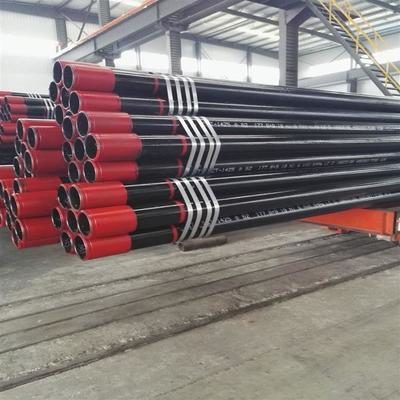
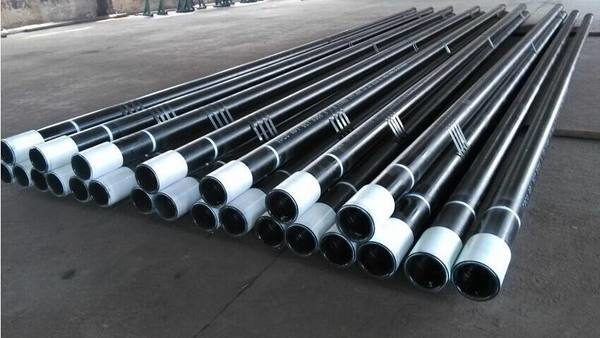
api 5ct J55 CASING for saleFrom an economic perspective, policy frameworks can also have a significant impact on the sustainability of the oil casing industry. By providing clarity and stability in terms of regulations and incentives, these policies create a conducive environment for investment and innovation. Companies that comply with these regulations are more likely to attract investors, access financing opportunities, and foster long-term growth and profitability.
Furthermore, policy frameworks can drive industry-wide collaboration and knowledge sharing, leading to the development of best practices and innovative solutions. By bringing together industry stakeholders, policyMakers, and experts, these policies facilitate dialogue and cooperation, ultimately fostering a culture of continuous improvement and learning within the oil casing sector.
In conclusion, the role of policy frameworks in promoting the sustainability of the oil casing industry cannot be overstated. These regulations and guidelines serve as the foundation for responsible and ethical practices within the industry, ensuring that environmental, social, and economic considerations are integrated into decision-making processes. By analyzing the impact of policy on the oil casing sector, we can better understand how regulations shape the industry’s trajectory and contribute to its long-term success and resilience in a rapidly changing global landscape.
Global Initiatives and Regulations Driving Sustainability in the Oil Casing Sector
The oil casing industry plays a crucial role in the global energy sector, providing essential support for oil extraction and production processes. As the demand for oil contiNues to rise, there is a growing emphasis on promoting sustainability within the industry to mitigate environmental impacts and ensure long-term viability. Global initiatives and regulations have been instrumental in driving sustainability practices within the oil casing sector.
One of the key drivers of sustainability in the oil casing industry is the implementation of stringent regulations by governments and international bodies. These regulations aim to reduce the environmental footprint of oil extraction activities, promote responsible resource management, and ensure the safety of workers and surrounding communities. By setting clear guidelines and standards for the industry to follow, regulators help create a level playing field and encourage companies to adopt sustainable practices.
In addition to regulatory measures, global initiatives led by organizations such as the United Nations and the World Bank have played a significant role in promoting sustainability in the oil casing sector. These initiatives focus on fostering collaboration between industry stakeholders, governments, and non-governmental organizations to address common challenges and drive innovation in sustainable technologies and practices. By facilitating knowledge sharing and capacity building, these initiatives help raise awareness about the importance of sustainability and encourage the adoption of best practices across the industry.
The push for sustainability in the oil casing sector is also driven by consumer demand for ethically sourced and environmentally friendly products. As awareness about climate change and environmental degradation grows, consumers are increasingly seeking out products that are produced in a sustainable and responsible manner. This shift in consumer preferences has put pressure on oil companies to improve their sustainability performance and demonstrate their commitment to environmental stewardship.
Technology has also played a crucial role in advancing sustainability in the oil casing industry. Innovations in materials science, manufacturing processes, and data analytics have enabled companies to develop more efficient and environmentally friendly casing products. By investing in research and development, companies can reduce their carbon footprint, minimize waste generation, and improve the overall sustainability of their operations.
Collaboration between industry players, governments, and other stakeholders is essential for driving sustainability in the oil casing sector. By working together to share knowledge, resources, and best practices, stakeholders can overcome common challenges and accelerate the transition to a more sustainable industry. Through collective action and a shared commitment to sustainability, the oil casing sector can play a key role in promoting environmental stewardship and ensuring a sustainable energy future for generations to come.
Case Studies on Successful Policy Interventions for Promoting Sustainability in the Oil Casing Industry
Analyzing the policy role in promoting oil casing industry sustainability globally requires a comprehensive understanding of the various policy interventions that have successfully promoted sustainability in this sector. Policy interventions play a crucial role in shaping the practices and behaviors of companies operating in the oil casing industry. By examining case studies of successful policy interventions, we can gain valuable insights into the strategies that have effectively promoted sustainability in this industry.
One notable case study is the implementation of stringent environmental regulations in a major oil-producing country. These regulations mandated the use of environmentally friendly materials in oil casing production and imposed strict emissions standards on oil companies. As a result, companies in the oil casing industry were incentivized to adopt sustainable practices to comply with these regulations. This policy intervention not only reduced the environmental impact of oil casing production but also encouraged innovation in sustainable technologies within the industry.
https://youtube.com/watch?v=IynKNbSIcXcAnother successful policy intervention involved the establishment of industry-wide sustainability standards through collaboration between government agencies, industry stakeholders, and environmental organizations. These standards set clear guidelines for sustainable practices in the oil casing industry, covering aspects such as waste management, energy efficiency, and community engagement. By aligning industry practices with these standards, companies were able to improve their sustainability performance while enhancing their reputation as responsible corporate citizens.
In addition to regulatory measures and industry standards, financial incentives have also played a significant role in promoting sustainability in the oil casing industry. Governments and international organizations have offered grants, subsidies, and tax incentives to companies that invest in sustainable technologies and practices. These financial incentives have encouraged companies to prioritize sustainability in their operations, leading to a shift towards more environmentally friendly practices in the industry.
 Furthermore, public-private partnerships have emerged as effective mechanisms for promoting sustainability in the oil casing industry. By bringing together government agencies, industry players, and civil society organizations, these partnerships have facilitated knowledge sharing, technology transfer, and capacity building in sustainable practices. Through collaborative initiatives, stakeholders have been able to address common challenges and work towards shared sustainability goals, driving positive change in the industry.
Overall, the case studies of successful policy interventions in the oil casing industry demonstrate the importance of proactive government action, industry collaboration, and financial incentives in promoting sustainability on a global scale. By learning from these examples, policymakers, industry leaders, and other stakeholders can develop effective strategies to address the environmental and social challenges facing the oil casing industry and pave the way for a more sustainable future.