নেতৃত্বের ভূমিকায় খাঁটি বৈশিষ্ট্যের উপকারিতা
সঠিক তেল আবরণ উপাদান নির্বাচন: বিবেচনা করার বিষয়গুলি
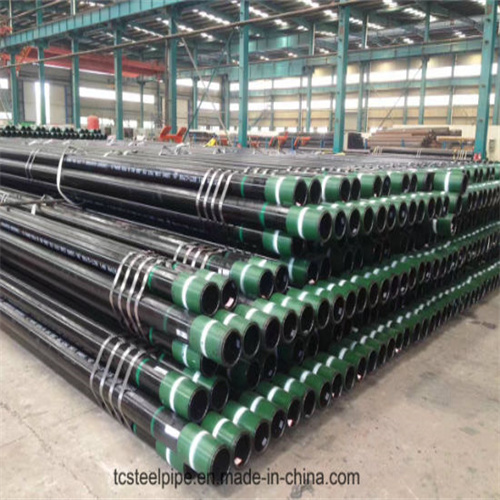
তেল টিউব চীন সেরা কারখানা

স্টেইনলেস স্টীল, এর জারা প্রতিরোধের বৈশিষ্ট্যের জন্য মূল্যবান, ক্ষয়কারী তরল বা পরিবেশের সংস্পর্শে আসা কূপের ক্ষেত্রে গুরুত্বপূর্ণ হয়ে ওঠে। স্টেইনলেস স্টিলের সত্যতা এর গঠনের উপর নির্ভর করে, বিশেষ করে ক্রোমিয়াম এবং নিকেলের উপস্থিতি, যা একটি প্রতিরক্ষামূলক অক্সাইড স্তর গঠন করে যা মরিচা এবং অবক্ষয় প্রতিরোধ করে। প্রকৌশলীরা ভাল তরলগুলিতে উপস্থিত নির্দিষ্ট ক্ষয়কারী এজেন্টগুলির প্রতিরোধের উপর ভিত্তি করে স্টেইনলেস স্টীল গ্রেডগুলি যত্ন সহকারে নির্বাচন করে৷ খাদ স্টিলের সত্যতা তাদের সুনির্দিষ্ট অ্যালোয়িং উপাদান এবং তাপ চিকিত্সা প্রক্রিয়াগুলির মধ্যে রয়েছে, যা যান্ত্রিক বৈশিষ্ট্যগুলি যেমন কঠোরতা, কঠোরতা এবং ক্লান্তি প্রতিরোধের বৃদ্ধি করে। এটি নিশ্চিত করে যে তারা গভীর বা অফশোর ড্রিলিং অপারেশনগুলিতে সাধারণ চাপ, তাপমাত্রা এবং ক্ষয়কারী পরিবেশে নির্ভরযোগ্যভাবে কার্য সম্পাদন করে। কঠোর মান নিয়ন্ত্রণের ব্যবস্থা, যেমন অ-ধ্বংসাত্মক পরীক্ষা (NDT) কৌশল যেমন অতিস্বনক পরীক্ষা (UT) এবং চৌম্বকীয় কণা পরিদর্শন (MPI), তেল আবরণ সামগ্রীর অখণ্ডতা যাচাই করে। এই পরীক্ষাগুলি অভ্যন্তরীণ এবং পৃষ্ঠের ত্রুটিগুলি সনাক্ত করে যা কাঠামোগত শক্তির সাথে আপস করতে পারে বা অকাল ব্যর্থতায় অবদান রাখতে পারে, নিশ্চিত করে যে কেবলমাত্র খাঁটি উপকরণ যা শিল্পের মান পূরণ করে ভাল নির্মাণে ব্যবহৃত হয়। উত্পাদনযোগ্যতা, এবং এপিআই (আমেরিকান পেট্রোলিয়াম ইনস্টিটিউট) স্পেসিফিকেশনের মতো শিল্পের মানগুলির সাথে সম্মতি। প্রকৌশলীরা প্রসার্য শক্তি, ফলন শক্তি, প্রসারণ, কঠোরতা এবং প্রভাব প্রতিরোধের মতো বিষয়গুলিকে নির্দিষ্ট কূপ অবস্থা এবং কার্যক্ষম প্রয়োজনীয়তার সাথে উপাদানের সাথে মেলে। ফাঁস বা ছিটকে পড়ার ঝুঁকি কমানো সবচেয়ে গুরুত্বপূর্ণ। প্রামাণিক উপকরণ শুধুমাত্র নিয়ন্ত্রক প্রয়োজনীয়তা মেনে চলে না বরং পরিবেশগত প্রভাব হ্রাস করে এবং অপারেশনাল নিরাপত্তা বৃদ্ধি করে টেকসই ড্রিলিং অনুশীলনে অবদান রাখে। কার্বন ইস্পাত, স্টেইনলেস স্টিল বা অ্যালয় স্টিল বেছে নেওয়া হোক না কেন, কঠোর পরীক্ষার মাধ্যমে উপাদানটির সত্যতা নিশ্চিত করা এবং শিল্পের মান মেনে চলা অপরিহার্য। সত্যতাকে অগ্রাধিকার দিয়ে, প্রকৌশলী এবং অপারেটররা ঝুঁকি হ্রাস করে, অপারেশনাল দক্ষতা অপ্টিমাইজ করে এবং তাদের উত্পাদনশীল জীবনকাল জুড়ে তেল কূপের অখণ্ডতা বজায় রাখে। প্রামাণিকতার প্রতি এই প্রতিশ্রুতি নিরাপত্তা, স্থায়িত্ব এবং দায়িত্বশীল সম্পদ আহরণের প্রতি শিল্পের নিবেদনকে আন্ডারস্কোর করে।
Choosing the Right Oil Casing Material: Factors to Consider
Choosing the right oil casing material is a critical decision in the Oil and Gas industry, as it directly impacts well integrity, safety, and operational efficiency. Among the various considerations that engineers and operators evaluate, the authenticity of the material stands out as a fundamental trait influencing performance and longevity.
Authenticity in Oil casing materials refers to their composition, quality, and adherence to industry standards. The primary materials used for oil casing include Carbon Steel, Stainless Steel, and alloy steel, each offering distinct advantages depending on the specific well conditions and operational requirements.
Carbon steel, renowned for its strength and cost-effectiveness, remains a popular choice in many drilling applications. Its ability to withstand high pressures and temperatures makes it suitable for a wide range of well environments. However, the authenticity of carbon steel lies in its metallurgical properties, ensuring it meets specified mechanical and chemical requirements to prevent corrosion and maintain structural integrity over the well’s lifespan.
Stainless steel, prized for its Corrosion resistance properties, becomes crucial in wells exposed to corrosive fluids or environments. The authenticity of stainless steel hinges on its composition, particularly the presence of chromium and nickel, which form a protective oxide layer that prevents rust and degradation. Engineers meticulously select stainless steel grades based on their resistance to specific corrosive agents present in the well fluids.
Alloy steels offer a blend of properties tailored to meet challenging well conditions, combining strength, corrosion resistance, and temperature stability. The authenticity of alloy steels lies in their precise alloying elements and heat treatment processes, which enhance mechanical properties such as hardness, toughness, and fatigue resistance. This ensures they perform reliably under extreme pressures, temperatures, and corrosive environments typical in deep or offshore drilling operations.
Beyond material composition, authenticity extends to the manufacturing and testing processes employed. Stringent quality control measures, such as Non-destructive testing (NDT) techniques like ultrasonic testing (UT) and magnetic particle inspection (MPI), verify the integrity of oil casing materials. These tests detect internal and surface defects that could compromise structural strength or contribute to premature failure, ensuring only authentic materials that meet industry standards are used in well Construction.
Selecting authentic oil casing materials involves a comprehensive evaluation of mechanical properties, corrosion resistance, manufacturability, and compliance with industry standards such as API (American Petroleum Institute) specifications. Engineers consider factors like tensile strength, yield strength, elongation, hardness, and impact resistance to match the material with the specific well conditions and operational requirements.
Moreover, environmental considerations play a pivotal role in material selection, particularly in environmentally sensitive areas where minimizing the risk of leaks or spills is paramount. Authentic materials not only comply with regulatory requirements but also contribute to sustainable drilling practices by reducing environmental impact and enhancing operational safety.
In conclusion, authenticity in oil casing materials underscores their reliability, performance, and longevity in oil and gas drilling operations. Whether choosing carbon steel, stainless steel, or alloy steel, ensuring the material’s authenticity through rigorous testing and adherence to industry standards is essential. By prioritizing authenticity, engineers and operators mitigate risks, optimize operational efficiency, and uphold the integrity of Oil Wells throughout their productive lifespan. This commitment to authenticity underscores the industry’s dedication to safety, sustainability, and responsible resource extraction.