Faida za Sifa Halisi katika Majukumu ya Uongozi
Kuchagua Nyenzo Sahihi ya Kufungia Mafuta: Mambo ya Kuzingatia
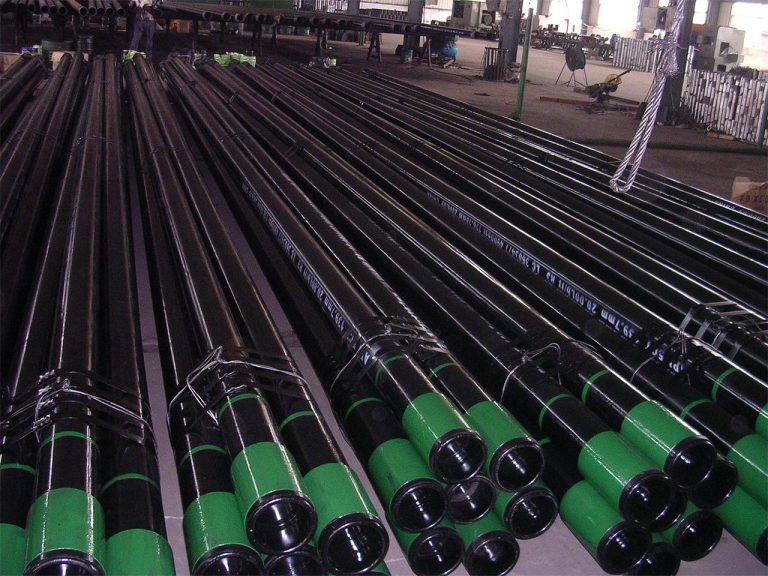
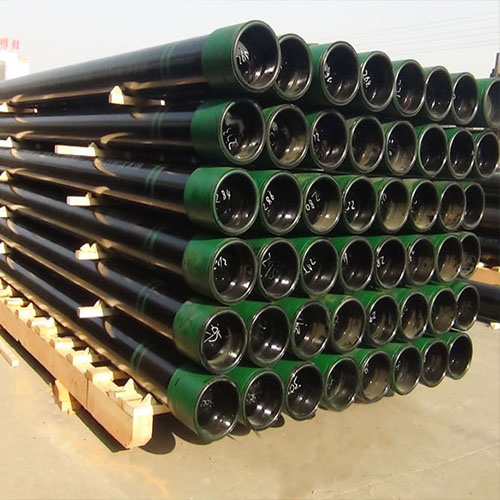
mafuta tube china bora kiwanda

Chuma cha pua, ambacho huthaminiwa kwa sifa zake za kustahimili kutu, huwa muhimu katika visima vilivyo na vimiminika au mazingira yenye ulikaji. Ukweli wa chuma cha pua hutegemea muundo wake, haswa uwepo wa chromium na nikeli, ambayo huunda safu ya oksidi ya kinga ambayo huzuia kutu na uharibifu. Wahandisi huchagua kwa uangalifu alama za chuma cha pua kulingana na uwezo wao wa kustahimili viowevu mahususi vinavyoweza kutu vilivyo kwenye vimiminika vya kisima.
Vyuma vya aloi hutoa mseto wa vipengele vilivyoundwa ili kukidhi hali ngumu za visima, kuchanganya nguvu, kustahimili kutu na uthabiti wa halijoto. Usahihi wa vyuma vya aloi upo katika vipengele vyake vya aloi sahihi na michakato ya matibabu ya joto, ambayo huongeza sifa za kiufundi kama vile ugumu, ugumu, na upinzani wa uchovu. Hili huhakikisha kwamba wanafanya kazi kwa kutegemewa chini ya shinikizo kubwa, halijoto na mazingira ya ulikaji kawaida katika shughuli za uchimbaji wa kina au nje ya pwani.
Zaidi ya utungaji wa nyenzo, uhalisi huenea hadi kwenye michakato ya utengenezaji na majaribio inayotumika. Hatua madhubuti za udhibiti wa ubora, kama vile mbinu za majaribio yasiyoharibu (NDT) kama vile upimaji wa angani (UT) na ukaguzi wa chembe za sumaku (MPI), huthibitisha uadilifu wa nyenzo za kiganda cha mafuta. Majaribio haya yanatambua kasoro za ndani na za uso ambazo zinaweza kuathiri uimara wa muundo au kuchangia kushindwa mapema, kuhakikisha kuwa nyenzo halisi tu zinazokidhi viwango vya sekta ndizo zinatumika katika ujenzi wa visima.
Kuteua nyenzo halisi za kuweka mafuta huhusisha tathmini ya kina ya sifa za kiufundi, upinzani wa kutu, utengenezaji, na kufuata viwango vya sekta kama vile vipimo vya API (American Petroleum Institute). Wahandisi huzingatia vipengele kama vile nguvu ya mkazo, nguvu ya mavuno, urefu, ugumu, na ukinzani wa athari ili kulinganisha nyenzo na hali mahususi ya kisima na mahitaji ya uendeshaji.
Aidha, masuala ya mazingira yana jukumu muhimu katika uteuzi wa nyenzo, hasa katika maeneo ambayo ni nyeti kwa mazingira ambapo kupunguza hatari ya uvujaji au kumwagika ni muhimu. Nyenzo halisi hazizingatii mahitaji ya udhibiti tu bali pia huchangia katika mazoea endelevu ya kuchimba visima kwa kupunguza athari za kimazingira na kuimarisha usalama wa utendakazi.
Kwa kumalizia, uhalisi katika nyenzo za kuweka mafuta husisitiza kutegemewa, utendakazi na maisha marefu katika shughuli za uchimbaji wa mafuta na gesi. Iwe unachagua chuma cha kaboni, chuma cha pua au aloi, ni muhimu kuhakikisha uhalisi wa nyenzo hiyo kupitia majaribio makali na kufuata viwango vya tasnia. Kwa kutanguliza uhalisi, wahandisi na waendeshaji hupunguza hatari, kuboresha ufanisi wa kazi, na kudumisha uadilifu wa visima vya mafuta katika maisha yao yote ya uzalishaji. Ahadi hii ya uhalisi inasisitiza kujitolea kwa sekta hii kwa usalama, uendelevu, na uchimbaji wa rasilimali unaowajibika.
Choosing the Right Oil Casing Material: Factors to Consider
Choosing the right oil casing material is a critical decision in the Oil and Gas industry, as it directly impacts well integrity, safety, and operational efficiency. Among the various considerations that engineers and operators evaluate, the authenticity of the material stands out as a fundamental trait influencing performance and longevity.
Authenticity in Oil casing materials refers to their composition, quality, and adherence to industry standards. The primary materials used for oil casing include Carbon Steel, Stainless Steel, and alloy steel, each offering distinct advantages depending on the specific well conditions and operational requirements.
Carbon steel, renowned for its strength and cost-effectiveness, remains a popular choice in many drilling applications. Its ability to withstand high pressures and temperatures makes it suitable for a wide range of well environments. However, the authenticity of carbon steel lies in its metallurgical properties, ensuring it meets specified mechanical and chemical requirements to prevent corrosion and maintain structural integrity over the well’s lifespan.
Stainless steel, prized for its Corrosion resistance properties, becomes crucial in wells exposed to corrosive fluids or environments. The authenticity of stainless steel hinges on its composition, particularly the presence of chromium and nickel, which form a protective oxide layer that prevents rust and degradation. Engineers meticulously select stainless steel grades based on their resistance to specific corrosive agents present in the well fluids.
Alloy steels offer a blend of properties tailored to meet challenging well conditions, combining strength, corrosion resistance, and temperature stability. The authenticity of alloy steels lies in their precise alloying elements and heat treatment processes, which enhance mechanical properties such as hardness, toughness, and fatigue resistance. This ensures they perform reliably under extreme pressures, temperatures, and corrosive environments typical in deep or offshore drilling operations.
Beyond material composition, authenticity extends to the manufacturing and testing processes employed. Stringent quality control measures, such as Non-destructive testing (NDT) techniques like ultrasonic testing (UT) and magnetic particle inspection (MPI), verify the integrity of oil casing materials. These tests detect internal and surface defects that could compromise structural strength or contribute to premature failure, ensuring only authentic materials that meet industry standards are used in well Construction.
Selecting authentic oil casing materials involves a comprehensive evaluation of mechanical properties, corrosion resistance, manufacturability, and compliance with industry standards such as API (American Petroleum Institute) specifications. Engineers consider factors like tensile strength, yield strength, elongation, hardness, and impact resistance to match the material with the specific well conditions and operational requirements.
Moreover, environmental considerations play a pivotal role in material selection, particularly in environmentally sensitive areas where minimizing the risk of leaks or spills is paramount. Authentic materials not only comply with regulatory requirements but also contribute to sustainable drilling practices by reducing environmental impact and enhancing operational safety.
In conclusion, authenticity in oil casing materials underscores their reliability, performance, and longevity in oil and gas drilling operations. Whether choosing carbon steel, stainless steel, or alloy steel, ensuring the material’s authenticity through rigorous testing and adherence to industry standards is essential. By prioritizing authenticity, engineers and operators mitigate risks, optimize operational efficiency, and uphold the integrity of Oil Wells throughout their productive lifespan. This commitment to authenticity underscores the industry’s dedication to safety, sustainability, and responsible resource extraction.