স্থায়িত্ব এবং খরচ-কার্যকারিতা বিশ্লেষণ করা: ইস্পাত বনাম যৌগিক তেল আবরণ সামগ্রীর তুলনামূলক অধ্যয়ন
পরিবেশগত প্রভাব এবং কর্মক্ষমতা: নতুন সিরামিক তেল আবরণ উপকরণের সাথে ঐতিহ্যগত ইস্পাত তুলনা
ইস্পাতের আবরণগুলি তাদের শক্তি এবং স্থিতিস্থাপকতার জন্য বিখ্যাত, যা তেল এবং গ্যাস নিষ্কাশনের কঠোর পরিস্থিতি সহ্য করার জন্য অপরিহার্য। তেলের কূপগুলিতে সাধারণত উচ্চ চাপ এবং ক্ষয়কারী পরিবেশ সহ্য করার ইস্পাতের ক্ষমতা এটিকে অনেক অপারেটরের জন্য একটি নির্ভরযোগ্য পছন্দ করে তোলে। যাইহোক, ইস্পাত উৎপাদন শক্তি-নিবিড় এবং উল্লেখযোগ্যভাবে কার্বন নির্গমনে অবদান রাখে। ইস্পাতের জারা প্রতিরোধ ক্ষমতাও সময়ের সাথে সাথে হ্রাস পেতে পারে, যার ফলে সম্ভাব্য পরিবেশগত বিপদ যেমন ফুটো এবং ছিটকে পড়তে পারে, যা মাটি এবং ভূগর্ভস্থ জলকে দূষিত করতে পারে। সিরামিকগুলি মাটির মতো প্রাকৃতিক উপাদান থেকে তৈরি করা হয় এবং তারা তাদের চূড়ান্ত রূপ অর্জনের জন্য উচ্চ তাপমাত্রায় সিন্টারিং প্রক্রিয়ার মধ্য দিয়ে যায়। এই প্রক্রিয়া, যদিও এখনও শক্তি-নিবিড়, পুনর্নবীকরণযোগ্য শক্তির উত্স দ্বারা পরিচালিত এবং চালিত হলে সামগ্রিক কার্বন নির্গমন কম হতে পারে। সিরামিকগুলি ইস্পাতের তুলনায় উচ্চতর জারা প্রতিরোধের প্রদর্শন করে, যা একটি তেলের কূপের জীবনকাল ধরে পরিবেশগত দূষণের ঝুঁকি উল্লেখযোগ্যভাবে হ্রাস করতে পারে। এই বৈশিষ্ট্যগুলি সিরামিক কেসিংগুলিকে চরম পরিস্থিতিতে অত্যন্ত কার্যকর করে তোলে, দীর্ঘায়ু এবং নির্ভরযোগ্যতার ক্ষেত্রে সম্ভাব্য ইস্পাতকে ছাড়িয়ে যায়। সিরামিকের টেকসই প্রকৃতির কারণে প্রতিস্থাপনের প্রয়োজনীয়তা হ্রাস করা পরিবেশগত প্রভাবকে আরও কমিয়ে দিতে পারে, কারণ কূপের কর্মক্ষম জীবনের জন্য কম সম্পদ খরচ হয়। সিরামিক উপকরণের প্রাথমিক খরচ ইস্পাতের তুলনায় বেশি হতে পারে, যা ব্যাপক বাস্তবায়নে বাধা সৃষ্টি করে। উপরন্তু, সিরামিকের ভঙ্গুর প্রকৃতি ড্রিলিং ক্রিয়াকলাপে জড়িত যান্ত্রিক চাপগুলি পরিচালনা করার ক্ষমতা সম্পর্কে উদ্বেগ বাড়াতে পারে। সিরামিক ক্যাসিং-এর দৃঢ়তা এবং খরচ-কার্যকারিতা বাড়ানোর জন্য এই বিষয়গুলি সতর্কতার সাথে বিবেচনা করা এবং আরও প্রযুক্তিগত উন্নতির প্রয়োজন। সিরামিকের দিকে স্থানান্তর তেল এবং গ্যাস নিষ্কাশন ক্রিয়াকলাপের পরিবেশগত পদচিহ্নকে উল্লেখযোগ্যভাবে প্রশমিত করতে পারে, যদি খরচ এবং উপাদানের ভঙ্গুরতার সমস্যাগুলি সমাধান করা হয়। শিল্পের অগ্রগতির সাথে সাথে, তেলের কূপ নির্মাণে বৈপ্লবিক পরিবর্তন আনতে পারে এমন সিরামিকের মতো উপকরণগুলির অন্বেষণ এবং বিনিয়োগ চালিয়ে যাওয়া, পরিবেশগত স্টুয়ার্ডশিপের সাথে পরিচালনমূলক চাহিদাগুলিকে সারিবদ্ধ করা অত্যন্ত গুরুত্বপূর্ণ৷ এই তুলনামূলক পরীক্ষাটি বস্তু বিজ্ঞানে উদ্ভাবন এবং স্থায়িত্বের গুরুত্বের ওপর গুরুত্ব আরোপ করে, আরও দায়িত্বশীল সম্পদ আহরণ অনুশীলনের পথ প্রশস্ত করে।
In the Oil and Gas industry, the choice of Casing Materials is pivotal not only for operational success but also for environmental sustainability. Traditional Steel casings have dominated the field due to their durability and cost-effectiveness. However, the emergence of ceramic materials presents a new frontier in the quest for more environmentally friendly and performance-oriented alternatives. This article delves into a comparative examination of these common Oil Casing materials, focusing on their environmental impacts and performance metrics.
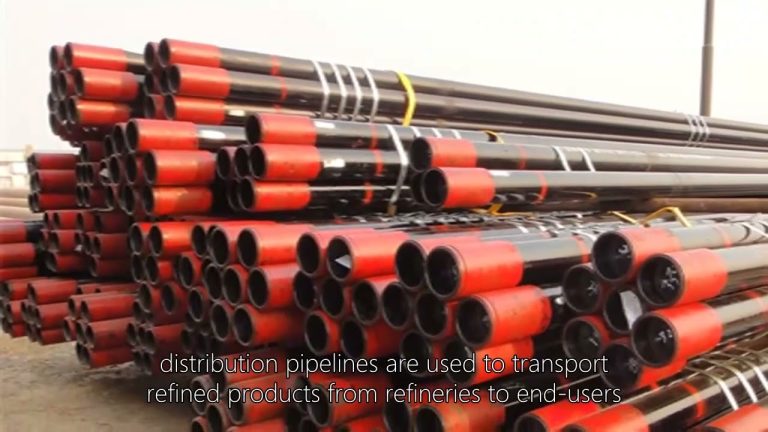
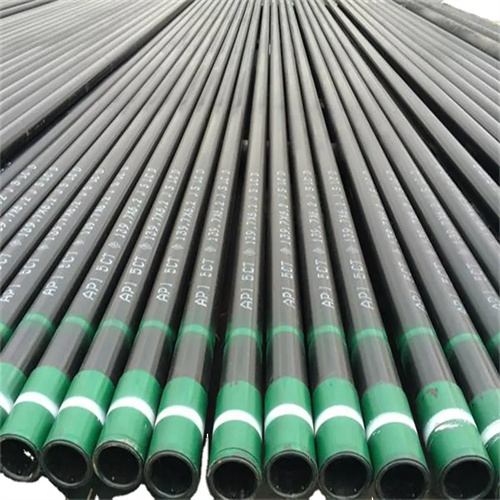
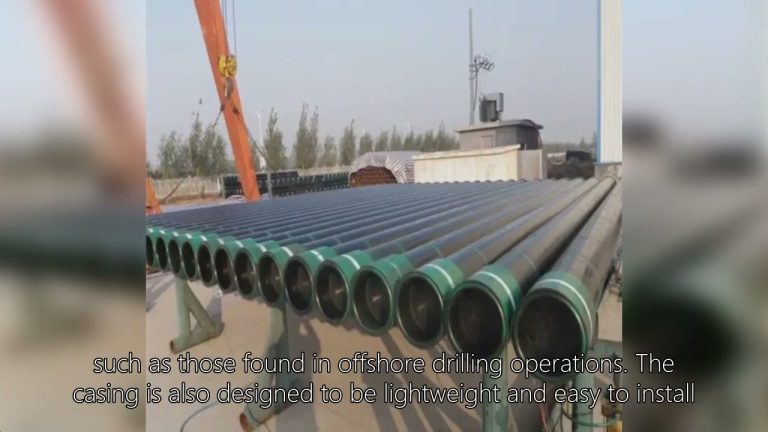
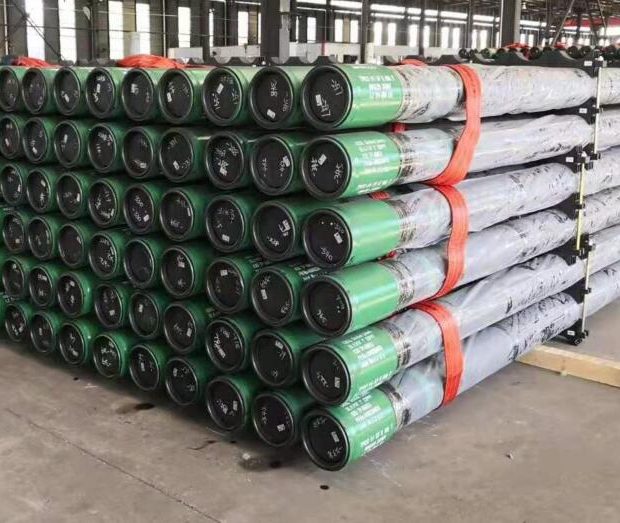
Steel casings are renowned for their strength and resilience, which are essential in withstanding the harsh conditions of oil and gas extraction. Steel’s ability to endure the high pressures and corrosive environments typical in Oil Wells makes it a reliable choice for many operators. However, the production of steel is energy-intensive and significantly contributes to carbon emissions. The Corrosion resistance of steel can also diminish over time, leading to potential environmental hazards such as leaks and spills, which can contaminate soil and groundwater.
On the other hand, ceramic materials offer a compelling alternative. Ceramics are manufactured from natural materials such as clay, and they undergo a process of sintering at high temperatures to achieve their final form. This process, while still energy-intensive, can result in lower overall carbon emissions if managed and powered by renewable energy sources. Ceramics exhibit superior corrosion resistance compared to steel, which can significantly reduce the risk of environmental contamination over the lifespan of an oil well.
Moreover, ceramics are known for their exceptional thermal stability and resistance to wear and tear. These properties make ceramic casings highly effective in extreme conditions, potentially outperforming steel in terms of longevity and reliability. The reduced need for replacement due to the durable nature of ceramics could further lessen the environmental impact, as fewer resources are consumed over the well’s operational life.
However, the adoption of ceramic casings is not without challenges. The initial cost of ceramic materials can be higher than that of steel, posing a barrier to widespread implementation. Additionally, the brittle nature of ceramics might raise concerns regarding their ability to handle the mechanical stresses involved in drilling operations. These factors necessitate careful consideration and further technological advancements to enhance the toughness and cost-effectiveness of ceramic casings.
In conclusion, while traditional steel casings contiNue to be a dependable option, the environmental and performance advantages of ceramic materials are undeniable. The shift towards ceramics could significantly mitigate the ecological footprint of oil and gas extraction operations, provided that the issues of cost and material brittleness are addressed. As the industry progresses, it is crucial to continue exploring and investing in materials like ceramics that could revolutionize oil well Construction, aligning operational needs with environmental stewardship. This comparative examination underscores the importance of innovation and sustainability in material science, paving the way for more responsible resource extraction practices.