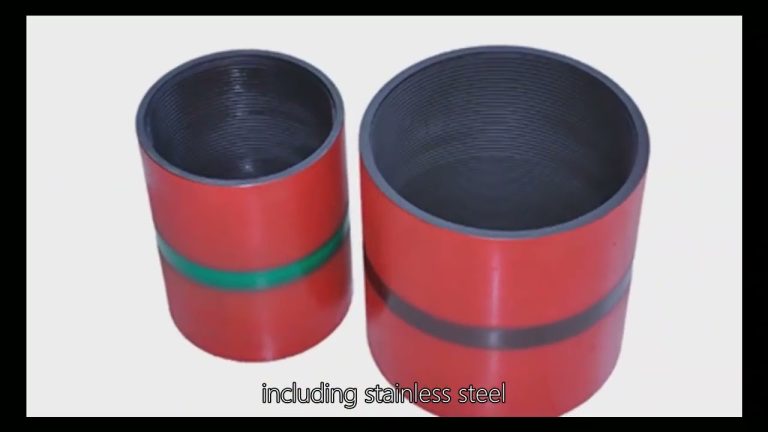
Analyzing Durability and Cost-Effectiveness: A Comparative Study of Steel vs. Composite Oil Casing Materials
In the Oil and Gas industry, the selection of casing materials is pivotal for ensuring the longevity and efficiency of wells. Among the various materials available, steel and composite materials stand out due to their distinct characteristics and applications. This article delves into a comparative analysis of these materials, focusing on their durability and cost-effectiveness, which are crucial factors for industry stakeholders.
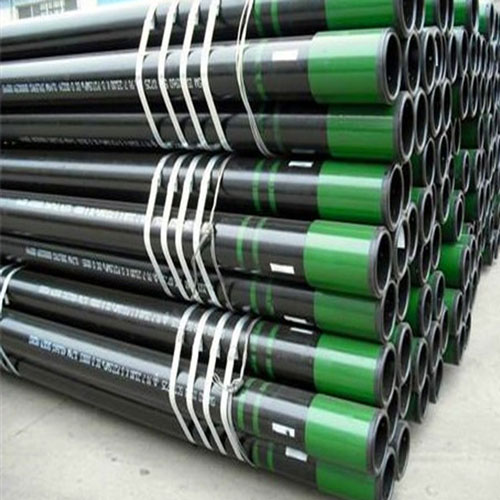
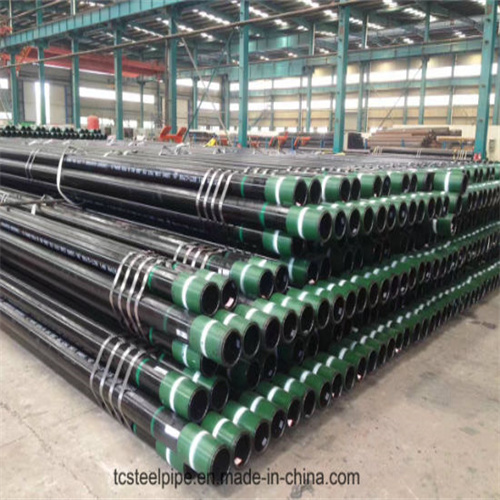
steel casings have been the backbone of well Construction for decades. Known for their strength and resilience, steel casings can withstand high pressures and corrosive environments, which are common in oil and gas extraction. The durability of steel is attributed to its robust physical properties, which prevent structural failures under extreme conditions. However, the cost of steel has been subject to significant fluctuations due to market dynamics, including raw material Prices and global demand. Moreover, the Weight of steel adds to the logistical costs, as transporting and handling heavier materials require more resources.
On the other hand, composite materials, made from a combination of fibers and resin, offer a modern alternative to traditional steel. These materials are engineered to provide similar or superior mechanical properties while being significantly lighter. The reduced weight of composite casings can lead to lower transportation and installation costs, potentially offsetting their higher initial manufacturing costs. Composites are also lauded for their Corrosion resistance, which is particularly valuable in aggressive environments where chemical exposure can degrade traditional materials.
API 5ct Q125 casing china Best SupplierThe cost-effectiveness of these materials is not only measured by their initial price but also by their impact on the operational lifecycle of a well. Composite materials, while generally more expensive upfront, may contribute to cost savings over time due to their lower Maintenance requirements and longer service life. The longevity of composites reduces the need for frequent replacements, thereby minimizing downtime and associated costs.
However, the adoption of composite casings is not without challenges. The oil and gas industry is inherently conservative, often relying on tried and tested technologies to mitigate risks. The transition to newer materials requires rigorous testing and validation to ensure they can meet or exceed the performance standards set by steel. Additionally, the manufacturing processes for composite materials are currently less standardized than tHose for steel, which can lead to variability in quality and performance.
In conclusion, both steel and composite materials offer distinct advantages and limitations in terms of durability and cost-effectiveness. The choice between these materials should be guided by specific operational requirements, environmental conditions, and economic considerations. As the industry contiNues to evolve, ongoing research and technological advancements will likely enhance the performance and reduce the costs of both types of materials, thereby influencing their adoption in Oil Well Casing applications. This comparative examination not only highlights the current state of casing material technology but also points to a future where material innovations could redefine what is possible in oil and gas extraction.
Environmental Impact and Performance: Comparing Traditional Steel with Newer Ceramic Oil Casing Materials
In the oil and gas industry, the choice of casing materials is pivotal not only for operational success but also for environmental sustainability. Traditional steel casings have dominated the field due to their durability and cost-effectiveness. However, the emergence of ceramic materials presents a new frontier in the quest for more environmentally friendly and performance-oriented alternatives. This article delves into a comparative examination of these common oil casing materials, focusing on their environmental impacts and performance metrics.
Steel casings are renowned for their strength and resilience, which are essential in withstanding the harsh conditions of oil and gas extraction. Steel’s ability to endure the high pressures and corrosive environments typical in Oil Wells makes it a reliable choice for many operators. However, the production of steel is energy-intensive and significantly contributes to carbon emissions. The corrosion resistance of steel can also diminish over time, leading to potential environmental hazards such as leaks and spills, which can contaminate soil and groundwater.
On the other hand, ceramic materials offer a compelling alternative. Ceramics are manufactured from natural materials such as clay, and they undergo a process of sintering at high temperatures to achieve their final form. This process, while still energy-intensive, can result in lower overall carbon emissions if managed and powered by renewable energy sources. Ceramics exhibit superior corrosion resistance compared to steel, which can significantly reduce the risk of environmental contamination over the lifespan of an oil well.
Moreover, ceramics are known for their exceptional thermal stability and resistance to wear and tear. These properties make ceramic casings highly effective in extreme conditions, potentially outperforming steel in terms of longevity and reliability. The reduced need for replacement due to the durable nature of ceramics could further lessen the environmental impact, as fewer resources are consumed over the well’s operational life.
However, the adoption of ceramic casings is not without challenges. The initial cost of ceramic materials can be higher than that of steel, posing a barrier to widespread implementation. Additionally, the brittle nature of ceramics might raise concerns regarding their ability to handle the mechanical stresses involved in drilling operations. These factors necessitate careful consideration and further technological advancements to enhance the toughness and cost-effectiveness of ceramic casings.
In conclusion, while traditional steel casings continue to be a dependable option, the environmental and performance advantages of ceramic materials are undeniable. The shift towards ceramics could significantly mitigate the ecological footprint of oil and gas extraction operations, provided that the issues of cost and material brittleness are addressed. As the industry progresses, it is crucial to continue exploring and investing in materials like ceramics that could revolutionize oil well construction, aligning operational needs with environmental stewardship. This comparative examination underscores the importance of innovation and sustainability in material science, paving the way for more responsible resource extraction practices.