তেল আবরণ নির্বাচনের স্বতন্ত্র ক্রিয়া বোঝা: একটি ব্যাপক নির্দেশিকা
আপনি কি সত্যিই মুখ্য বিষয় জানেন? – তেল আবরণ নির্বাচনের জন্য প্রয়োজনীয় অন্তর্দৃষ্টি
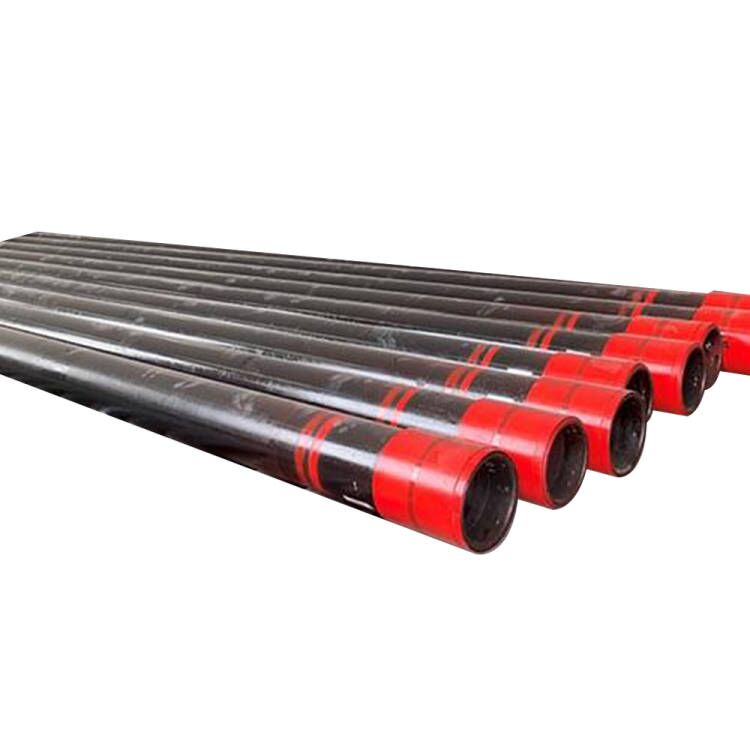
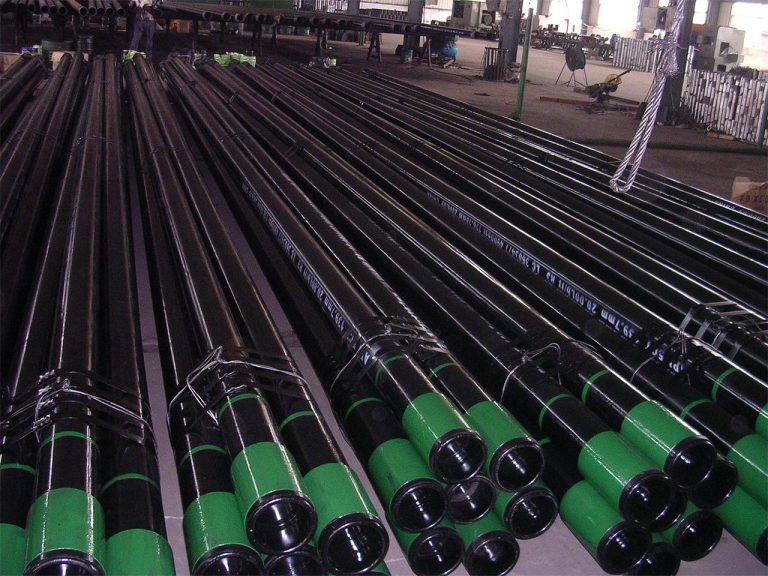
অবশ্যই। এখানে 500-শব্দের নিবন্ধ: ভুল কেসিং পুরো প্রক্রিয়াটিকে আপস করতে পারে এবং অপারেশনগুলিকে অকার্যকর করে তুলতে পারে, যেখানে একটি জ্ঞাত পছন্দ একটি কূপের দীর্ঘায়ু এবং দক্ষতার জন্য ধার দিতে পারে। তাহলে, আপনি কি সত্যিই মুখ্য বিষয় জানেন? এটি একটি জটিল প্রক্রিয়া যার জন্য প্রকৌশল ধারণা এবং ভূখণ্ড-নির্দিষ্ট সূক্ষ্মতা সম্পর্কে গভীর বোঝার প্রয়োজন। এই আবরণগুলি হল কাঠামোগত প্রাচীর, যে কোনও সম্ভাব্য ডাউনহোল বিপর্যয় থেকে রক্ষা করে, যেমন ওয়েলবোর ভেঙে যাওয়া বা আক্রমণকারী দূষক নিষ্কাশন প্রক্রিয়ার মধ্যে প্রবেশ করা। তারা অপ্রত্যাশিত জটিলতার বিরুদ্ধে ওয়েলবোরকে সুরক্ষিত রাখার এবং তেলের নিরবচ্ছিন্ন প্রবাহ নিশ্চিত করার দ্বৈত সুবিধাও অফার করে। প্রথমত, কূপের ধরন—উল্লম্ব বা অনুভূমিক, কেসিংয়ের প্রয়োজনীয়তা নির্দেশ করে। কেসিং উপকরণের ফলন শক্তি এবং কঠোরতা সহ যান্ত্রিক বৈশিষ্ট্যগুলিকে ভূগর্ভস্থ হাজার হাজার ফুটের মধ্যে বিদ্যমান তীব্র চাপ এবং তাপমাত্রাকে অস্বীকার করার জন্য গুরুত্ব সহকারে বিবেচনা করা উচিত।
তারপর উপাদানটি আসে। কার্বন ইস্পাত বা স্টেইনলেস স্টীল, বা উচ্চ-শক্তি এবং নিম্ন-খাদ স্টীল বিবেচনা করে, সবই বিভিন্ন সুবিধা প্রদান করে। যদিও কার্বন স্টিলের সাধ্য এবং দৃঢ়তা এটিকে একটি আদর্শ পছন্দ করে তোলে, স্টেইনলেস স্টীল ক্ষয়ের বিরুদ্ধে বৃহত্তর স্থিতিস্থাপকতা প্রসারিত করে, কেসিংকে সহ্য করতে হবে এমন কঠোর পরিস্থিতি বিবেচনা করে একটি গুরুত্বপূর্ণ কারণ। উচ্চ-শক্তি, কম-অ্যালয় ইস্পাত উভয় বিশ্বের সেরা কিন্তু একটি প্রিমিয়াম মূল্যে অফার করে৷
জারা ক্ষতিকর, শুধুমাত্র দীর্ঘায়ুতে এর প্রভাবের কারণেই নয় বরং নিরাপত্তাকে বাধা দেওয়ার সম্ভাবনার জন্যও। ক্ষয়প্রাপ্ত অঞ্চলগুলি প্রায়শই ফুটো পয়েন্টে পরিণত হয়, যা নিষ্কাশিত তেলের বিশুদ্ধতাকে বিপন্ন করে, একটি ক্ষয়-প্রতিরোধী আবরণ বেছে নেওয়ার প্রয়োজনীয়তার দিকে নির্দেশ করে। জায়গায় সিমেন্ট করা, অথবা যদি এটি একটি লাইনার হ্যাঙ্গার সিস্টেম ব্যবহার করে ইনস্টল করা হবে। পছন্দটি কেসিংয়ের শারীরিক বৈশিষ্ট্য নির্ধারণ করবে, এর ব্যাস এবং ওজন থেকে শুরু করে থ্রেডের ধরন পর্যন্ত। —সকল খেলায় আসা। আমেরিকান পেট্রোলিয়াম ইনস্টিটিউট ( API) এবং ইন্টারন্যাশনাল অর্গানাইজেশন ফর স্ট্যান্ডার্ডাইজেশন (ISO) দ্বারা প্রদত্ত নির্বাচন নির্দেশিকাগুলি এই সমস্ত বিষয়গুলিকে মাথায় রেখে একটি সর্বোত্তম পছন্দ করার জন্য অমূল্য অন্তর্দৃষ্টি প্রদান করে। প্রক্রিয়া, যেমন নিয়ন্ত্রক সম্মতি, নিরাপত্তা এবং পরিবেশগত প্রভাবের উপর স্থানীয় এবং আন্তর্জাতিক প্রবিধানগুলির সাথে আবরণের জন্য এটি প্রয়োজনীয় করে তোলে। এই কারণগুলি তেলের আবরণ নির্বাচনকে একটি বহুমাত্রিক, জটিল কাজ করে তোলে যার জন্য তেল উত্তোলন শিল্পে বিস্তারিত এবং দক্ষতার প্রতি তীক্ষ্ণ মনোযোগ প্রয়োজন। , দক্ষতা নিয়ন্ত্রণ, এবং নিয়ন্ত্রক সম্মতি. বুদ্ধিমান সিদ্ধান্ত নেওয়ার জন্য এই শিল্পপূর্ণ প্রক্রিয়াগুলির আয়ত্ত মৌলিক। ভাল পছন্দগুলি শুধুমাত্র সময় এবং কঠোর অবস্থার পরীক্ষাই সহ্য করতে পারে না বরং নিষ্কাশন প্রক্রিয়াটিকে স্ট্রিমলাইন করে, এটিকে নিরাপদ এবং আরও দক্ষ করে তোলে। বিপরীতে, ভুল সিদ্ধান্তগুলি পুরো অপারেশনটিকে দুর্বল করে তুলতে পারে, নিরাপত্তা এবং দক্ষতা উভয়ের সাথে আপস করে। এটি একটি সূক্ষ্ম শিল্প যা, একবার আয়ত্ত করা হলে, একটি নিরাপদ এবং লাভজনক অপারেশন নিশ্চিত করার সাথে সাথে একটি ভাল দক্ষতা এবং দীর্ঘায়ুতে জ্বালানি দিতে পারে৷
Absolutely. Here is the 500-word article:
Knowing the essential tenets of Oil Casing selection is a pillar of knowledge in the oil extraction industry that cannot be underestimated. The wrong casing can compromise the entire process and render operations ineffectual, whereas an informed choice can lend to longevity and efficiency of a well. So, do you truly know the salient point?
Oil casing selection is more than just a mere choice; it’s a complex process requiring a profound understanding of engineering concepts and terrain-specific nuances. These casings are the structural wall, guarding against any potential downhole disasters, such as collapses of the wellbore or invasive contaminants seeping into the extraction process. They also offer the dual advantage of keeping the wellbore secure against unforeseen complications and ensuring an uninterrupted flow of oil.
The procedure of oil casing selection necessitates the assimilation of various factors. First, the type of well\—whether vertical or horizontal, dictates the casing requirements. The mechanical properties, including the yield strength and hardness of casing Materials, are to be seriously considered to defy the intense pressures and temperatures existing thousands of feet underground.
Then comes the material. Carbon Steel or Stainless Steel, or considering the high-strength and low-alloy steels, all conveys different advantages. While carbon steel’s affordability and toughness make it a standard choice, stainless steel extends greater resilience against corrosion, a pivotal factor considering the harsh conditions the casing must endure. High-strength, low-alloy steels offer the best of both worlds but at a premium Price.
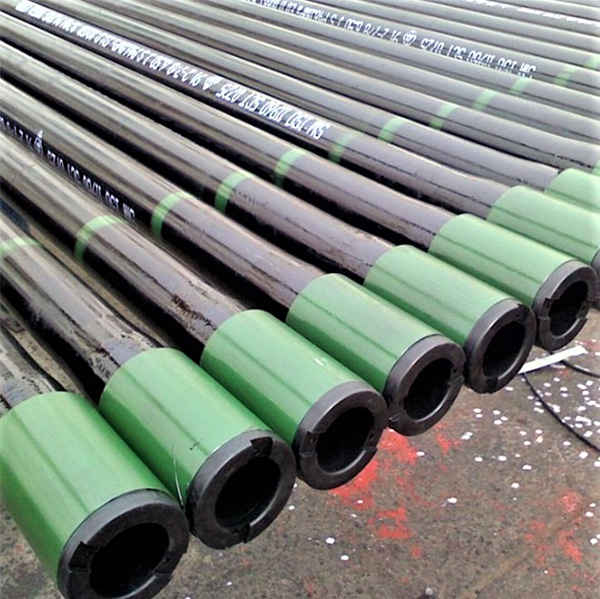
Corrosion is detrimental, not only because of its impact on longevity but also for its potential to inhibit safety. Corroded areas often become leak points, jeopardizing the extracted oil’s purity, pointing towards the necessity of choosing a corrosion-resistant casing.
x type transfer case oil changeConsideration must be given to the installation method itself, whether the casing will be run in and cemented in place, or if it will be installed using a liner hanger system. The choice will determine the physical characteristics of the casing, from its Diameter and Weight to its Thread type.
The casing’s pressure and temperature ratings, its resistance to collapse, and tension\—and the Connections that bring the case into its final form\—all come into play. Selection guidelines offered by the American Petroleum Institute (API) and the International Organization for Standardization (ISO) provide invaluable insights to making an optimal choice, bearing all these factors in mind.
Cost-effectiveness is a quintessential aspect of the oil casing selection process, as is the regulatory compliance, making it necessary for the casing to align with local and international regulations on safety and environmental impact. These factors make oil casing selection a multidimensional, complex task requiring sharp attention to detail and proficiency in the oil extraction industry.
Summing it up, the salient point about oil casing selection is this: it’s an intricate blend of engineering science, industry insights, efficiency control, and regulatory compliances. Mastery of these artful processes is fundamental for making intelligent decisions. good choices can not only withstand the tests of time and harsh conditions but also streamline the extraction process, making it safer and more efficient. In contrast, wrong decisions can make the whole operation vulnerable, compromising both safety and efficiency.
Understanding and implementing these industry-specific insights is the key to oil casing selection. It’s a subtle art that, once mastered, can fuel a well\’s efficiency and longevity while ensuring a safe and profitable operation.