অয়েল কেসিং পারফরম্যান্সের চ্যালেঞ্জ বোঝা
বর্ধিত কর্মক্ষমতার জন্য তেল আবরণ প্রযুক্তিতে উদ্ভাবন
তেল আবরণ অ্যাপ্লিকেশনে টেকসই শক্তি সমাধানের দিকে ট্রানজিশনিং
এই চ্যালেঞ্জগুলি মোকাবেলা করার জন্য, প্রকৌশলী এবং গবেষকরা ক্রমাগত তেল আবরণ অ্যাপ্লিকেশনের জন্য নতুন উপকরণ এবং প্রযুক্তি উদ্ভাবন এবং বিকাশ করছে। কঠোর অপারেটিং পরিবেশে কেসিংয়ের কর্মক্ষমতা এবং স্থায়িত্ব বাড়ানোর জন্য উন্নত অ্যালয়, লেপ এবং উত্পাদন প্রক্রিয়াগুলি নিযুক্ত করা হচ্ছে। এই অগ্রগতিগুলি শুধুমাত্র তেল উত্তোলন এবং পরিবহনের দক্ষতার উন্নতি করে না কিন্তু এই অপারেশনগুলির পরিবেশগত প্রভাব কমাতেও অবদান রাখে। সঠিক কেসিং ডিজাইনে ওয়েলবোর স্থায়িত্ব, সিমেন্টিং কৌশল এবং কেসিং কেলেপস, গ্যাস মাইগ্রেশন এবং ফ্লুইড লিক এর মত সমস্যা রোধ করতে কেসিং সেন্ট্রালাইজেশনের মত বিষয়গুলি বিবেচনা করা জড়িত। উন্নত মডেলিং এবং সিমুলেশন সরঞ্জামগুলি বিভিন্ন পরিস্থিতিতে ক্যাসিংয়ের আচরণ বিশ্লেষণ করতে এবং সর্বাধিক কার্যকারিতার জন্য তাদের নকশা অপ্টিমাইজ করতে ব্যবহৃত হয়। স্থায়িত্বের দিকে এই স্থানান্তর তেল ও গ্যাস শিল্পের জন্য চ্যালেঞ্জ এবং সুযোগ উভয়ই উপস্থাপন করে, যার মধ্যে রয়েছে সবুজ প্রযুক্তির বিকাশ এবং তেল আবরণ প্রয়োগের অনুশীলন। কোম্পানিগুলি তাদের ক্রিয়াকলাপের পরিবেশগত পদচিহ্ন কমাতে এবং কঠোর প্রবিধান মেনে চলতে গবেষণা ও উন্নয়নে ক্রমবর্ধমান বিনিয়োগ করছে। জ্বালানী তেল উত্তোলন এবং পরিবহন প্রক্রিয়াগুলিতে নবায়নযোগ্য শক্তি ব্যবহার করে, কোম্পানিগুলি জীবাশ্ম জ্বালানির উপর তাদের নির্ভরতা কমাতে পারে এবং তাদের কার্বন নিঃসরণ কমাতে পারে। এটি শুধুমাত্র জলবায়ু পরিবর্তনের বিরুদ্ধে লড়াই করার বৈশ্বিক প্রচেষ্টার সাথে সারিবদ্ধ নয় বরং শক্তি শিল্পের দীর্ঘমেয়াদী কার্যকারিতাও বৃদ্ধি করে৷ তেল আবরণ অ্যাপ্লিকেশনে টেকসই শক্তি সমাধানের দিকে রূপান্তর শুধুমাত্র একটি প্রয়োজনীয়তা নয়, শিল্পে ইতিবাচক পরিবর্তন চালানোর একটি সুযোগও। নতুন প্রযুক্তি, উপকরণ এবং অনুশীলনগুলিকে আলিঙ্গন করে, শক্তি খাত আরও টেকসই এবং দক্ষ শক্তি যাত্রার পথ প্রশস্ত করতে পারে যা শিল্প এবং পরিবেশ উভয়েরই উপকার করে।
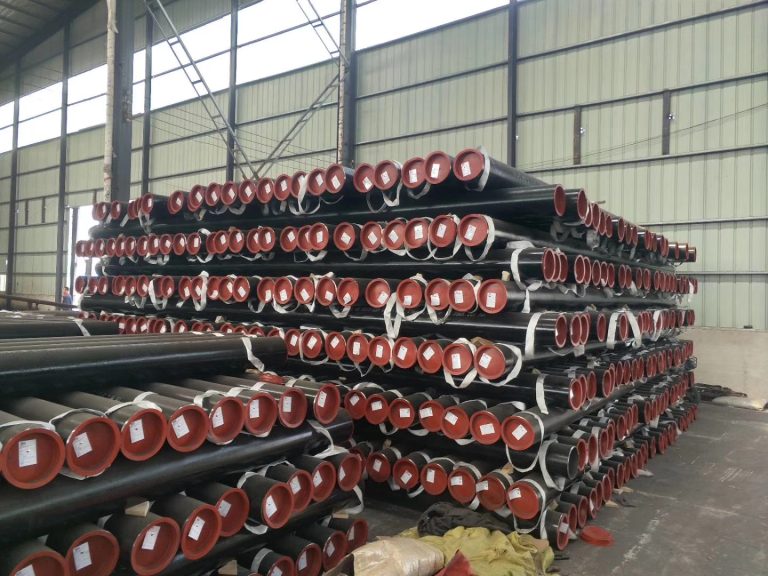
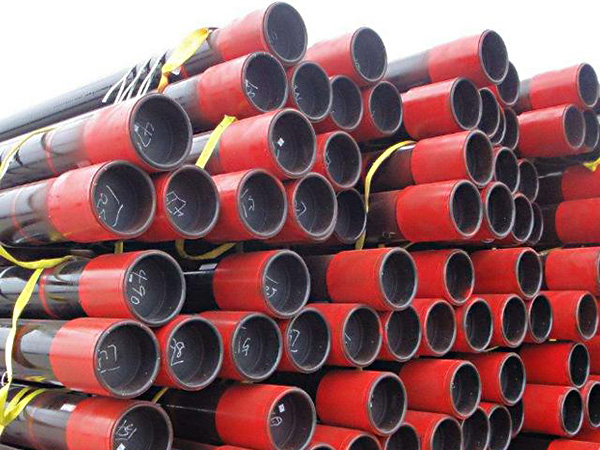
Oil Casing technology plays a pivotal role in the efficient extraction of Oil and Gas resources from deep beneath the Earth’s surface. The performance of oil casings is crucial for ensuring the integrity and safety of Oil Wells, as well as maximizing production output. The complexity of oil casing performance stems from the harsh conditions and extreme pressures that these components are subjected to during drilling and production operations.
In recent years, there have been significant advancements in oil casing technology aimed at enhancing performance and durability. innovations in Materials science have led to the development of high-strength alloys and composite materials that can withstand the demanding environments encountered in oil and gas wells. These new materials offer improved Corrosion resistance, thermal stability, and mechanical strength, thereby extending the lifespan of oil casings and reducing Maintenance costs.
Furthermore, the design and engineering of oil casings have also seen notable improvements. Advanced computational modeling techniques, such as finite element analysis, allow engineers to simulate the behavior of oil casings under various operating conditions. By optimizing the geometry and configuration of casings, Manufacturers can enhance their structural integrity and resistance to external forces, such as pressure differentials and mechanical loads.
One of the key challenges in oil casing performance is the prevention of gas migration and fluid Leakage along the wellbore. Sealing technologies, such as elastomeric seals and expandable liners, have been developed to address this issue effectively. These innovative solutions create a tight barrier between the casing and the surrounding formation, minimizing the risk of leaks and ensuring the efficient production of oil and gas reserves.
Moreover, the integration of smart technologies and sensors into oil casings has revolutionized the monitoring and maintenance of well integrity. Real-time data acquisition systems enable operators to track casing conditions, detect anomalies, and implement timely interventions to prevent potential failures. By harnessing the power of data analytics and predictive maintenance, oil Companies can optimize their production processes and minimize downtime.
In conclusion, the evolution of oil casing technology represents a significant milestone in the energy industry’s quest for enhanced performance and sustainability. The combination of advanced materials, innovative designs, and smart solutions has paved the way for a new era of efficiency and reliability in oil and gas production. As we contiNue to push the boundaries of technological innovation, the future of oil casing performance looks promising, promising a more efficient and sustainable energy journey for generations to come.
Transitioning Towards Sustainable Energy Solutions in Oil Casing Applications
Oil casing performance plays a crucial role in the energy industry, particularly in the extraction and transportation of oil and gas. The complexity of oil casing performance is often underestimated, yet it is a critical factor that can significantly impact the efficiency and safety of operations. As the world transitions towards more sustainable energy solutions, the role of oil casing applications becomes even more pronounced.
One of the key challenges in oil casing performance is ensuring the integrity and reliability of the casing under various operating conditions. The casing must withstand high pressures, corrosive environments, and mechanical stresses while maintaining its structural integrity over time. Any failure in the casing can lead to costly downtime, environmental hazards, and safety risks for workers.
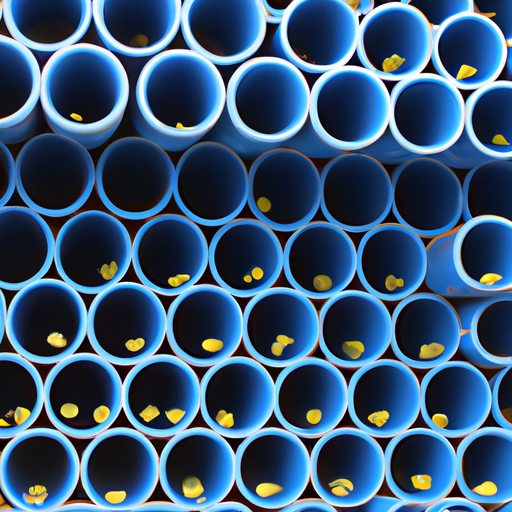 To address these challenges, engineers and researchers are constantly innovating and developing new materials and technologies for oil casing applications. Advanced alloys, coatings, and manufacturing processes are being employed to enhance the performance and durability of casings in harsh operating environments. These advancements not only improve the efficiency of oil extraction and transportation but also contribute to reducing the environmental impact of these operations.
In addition to material advancements, the design and installation of oil casings are also critical factors in ensuring optimal performance. Proper casing design involves considering factors such as wellbore stability, Cementing techniques, and casing centralization to prevent issues like casing collapse, gas migration, and fluid leaks. Advanced modeling and simulation tools are used to analyze the behavior of casings under different conditions and optimize their design for maximum performance.
As the global demand for energy continues to rise, there is a growing need to transition towards more sustainable energy solutions. This shift towards sustainability presents both challenges and opportunities for the oil and gas industry, including the development of greener technologies and practices for oil casing applications. Companies are increasingly investing in research and development to reduce the environmental footprint of their operations and comply with stringent regulations.
One promising avenue for sustainable energy solutions in oil casing applications is the integration of renewable energy sources such as solar and wind power. By harnessing renewable energy to power oil extraction and transportation processes, companies can reduce their reliance on fossil fuels and lower their carbon emissions. This not only aligns with global efforts to combat climate change but also enhances the long-term viability of the energy industry.
In conclusion, the complexity of oil casing performance underscores the importance of continuous innovation and adaptation in the energy sector. Transitioning towards sustainable energy solutions in oil casing applications is not only a necessity but also an opportunity to drive positive change in the industry. By embracing new technologies, materials, and practices, the energy sector can pave the way for a more sustainable and efficient energy journey that benefits both the industry and the environment.