চরম অবস্থার জন্য উপাদান রচনা এবং শক্তি প্রয়োজনীয়তা
উচ্চ চাপের পরিবেশ সহ্য করার জন্য ইঞ্জিনিয়ারিং ডিজাইন বৈশিষ্ট্য
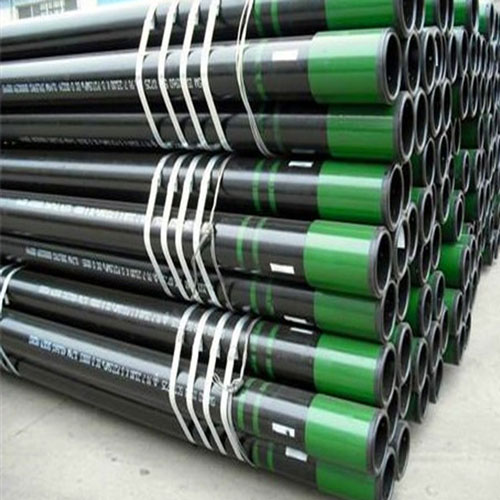
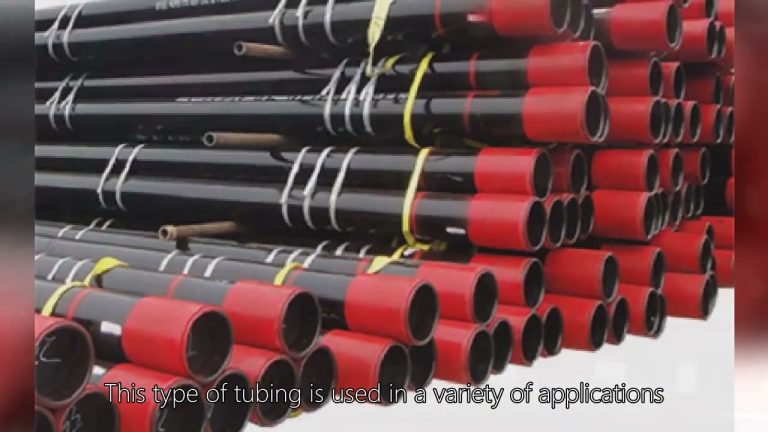
API 5ct P110 কেসিং সেরা চীন পাইকারি
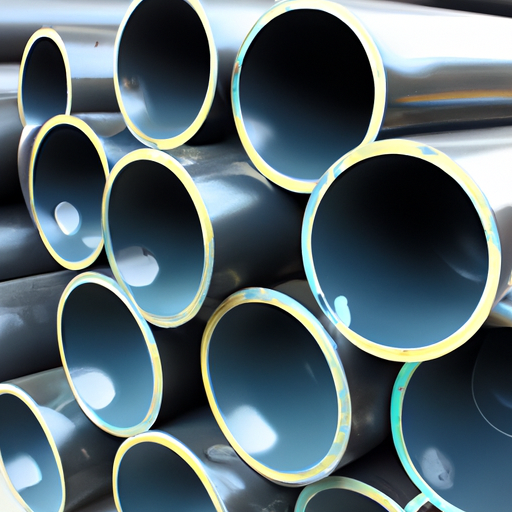
উচ্চ চাপের পরিবেশের জন্য তেলের আবরণ ডিজাইন করার আরেকটি গুরুত্বপূর্ণ দিক হল প্রতিরক্ষামূলক আবরণ এবং লাইনারগুলির একীকরণ। এই আবরণগুলি গঠনের তরল এবং গ্যাসের সাথে রাসায়নিক বিক্রিয়া দ্বারা সৃষ্ট ক্ষয়ের বিরুদ্ধে বাধা হিসাবে কাজ করে। ইপোক্সি আবরণ, উদাহরণস্বরূপ, একটি টেকসই ঢাল প্রদান করে যা ব্যয়বহুল রক্ষণাবেক্ষণ এবং প্রতিস্থাপনের প্রয়োজনীয়তা হ্রাস করার সাথে সাথে কেসিংয়ের আয়ু বাড়ায়। ইনস্টলেশনের সময় সঠিক ফিট এবং সারিবদ্ধতা নিশ্চিত করার জন্য এই নির্ভুলতা অপরিহার্য, যা ফলস্বরূপ চাপের ঘনত্বকে প্রতিরোধ করে যা চাপের মধ্যে কেসিংয়ের কার্যকারিতাকে আপস করতে পারে। এই সিস্টেমগুলি কেসিংয়ের অখণ্ডতা ক্রমাগত মূল্যায়ন করতে, ক্ষয় বা বিকৃতির মতো সম্ভাব্য সমস্যাগুলি সনাক্ত করতে এবং বিপর্যয়কর ব্যর্থতা রোধ করার জন্য প্রাথমিক সতর্কতা প্রদান করতে সেন্সর এবং ডেটা বিশ্লেষণ ব্যবহার করে। উপাদান নির্বাচনের ভারসাম্য, কাঠামোগত অখণ্ডতা, এবং জারা এবং অন্যান্য পরিবেশগত কারণগুলির বিরুদ্ধে প্রতিরক্ষামূলক ব্যবস্থা। প্রকৌশলী এবং নির্মাতারা বিশ্বব্যাপী তেল উত্তোলন কার্যক্রমে নিরাপত্তা, নির্ভরযোগ্যতা এবং দক্ষতা বাড়াতে বাধ্যতামূলকভাবে চালিত এই ক্ষেত্রে উদ্ভাবনের সীমানা ঠেলে চলেছে। প্রযুক্তির বিকাশ এবং নতুন চ্যালেঞ্জের আবির্ভাব হওয়ার সাথে সাথে, আরও স্থিতিস্থাপক এবং টেকসই ইঞ্জিনিয়ারিং সমাধানের সন্ধান অব্যাহত রয়েছে, এটি নিশ্চিত করে যে তেলের আবরণগুলি অবিচলিত স্থিতিস্থাপকতা এবং কার্যকারিতার সাথে চরম পরিবেশের চাপের মুখোমুখি হতে থাকবে।
এক্সট্রিম অয়েলফিল্ড এনভায়রনমেন্টে সফল অ্যাপ্লিকেশনের কেস স্টাডিজ
তেল অনুসন্ধান এবং নিষ্কাশনের ক্ষেত্রে, সরঞ্জামগুলির স্থায়িত্ব এবং নির্ভরযোগ্যতা সর্বাপেক্ষা গুরুত্বপূর্ণ, বিশেষ করে চরম পরিবেশে যেখানে পরিস্থিতি প্রচণ্ড চাপ এবং চাপ প্রয়োগ করতে পারে। অয়েলফিল্ড অপারেশনের গুরুত্বপূর্ণ উপাদানগুলির মধ্যে তেলের আবরণ, একটি গুরুত্বপূর্ণ বাধা যা ওয়েলবোরকে রক্ষা করে এবং পুরো ড্রিলিং অপারেশনের অখণ্ডতা নিশ্চিত করে। এই ক্যাসিংগুলি চরম চাপ এবং কঠোর অবস্থার মধ্যে কীভাবে কাজ করে তা বোঝা অপারেশন সুরক্ষা এবং উত্পাদনশীলতা সর্বাধিক করার জন্য তাদের কার্যকারিতা মূল্যায়নের জন্য অপরিহার্য। এই পরিবেশগুলির মধ্যে রয়েছে অতি-গভীর জলের ড্রিলিং, যেখানে চাপগুলি আশ্চর্যজনক গভীরতায় পৌঁছাতে পারে এবং উচ্চ-তাপমাত্রার জলাধারগুলি, যেখানে তাপীয় চাপ পদার্থের সীমা পরীক্ষা করে। কাঠামোগত অখণ্ডতার সাথে আপোস না করে এই শর্তগুলিকে সহ্য করার জন্য ক্যাসিংয়ের ক্ষমতা কেবল প্রকৌশলী দক্ষতার বিষয় নয় বরং অপারেশনাল সাফল্যের জন্য একটি মৌলিক প্রয়োজনীয়তা। এখানে, 10,000 ফুটের বেশি গভীরতা সরঞ্জামগুলিতে প্রচুর হাইড্রোস্ট্যাটিক চাপ দেয়। প্রকৌশলীরা দীর্ঘ সময় ধরে নমনীয়তা এবং জারা প্রতিরোধের বজায় রেখে এই চাপ সহ্য করতে সক্ষম উচ্চ-শক্তি ইস্পাত সংকর ধাতু নিযুক্ত করেছেন। এই অ্যাপ্লিকেশনটি দেখায় যে কীভাবে বস্তুগত বিজ্ঞানের উদ্ভাবনগুলি এমন আবরণগুলির বিকাশকে সক্ষম করেছে যা ক্লান্তি বা ব্যর্থতার শিকার না হয়েই চরম চাপ সহ্য করতে পারে৷ শর্তাবলী 300 ডিগ্রি ফারেনহাইটের বেশি তাপমাত্রা প্রচলিত উপকরণগুলিকে দ্রুত ক্ষয় করতে পারে। এটি মোকাবেলা করার জন্য, কেসিংগুলি প্রায়শই বিশেষায়িত অ্যালো বা সিরামিক দিয়ে লেপা হয় যা তাপ প্রতিরোধ ক্ষমতা বাড়ায় এবং পরিষেবা জীবন দীর্ঘায়িত করে। এই আবরণগুলি তাপীয় বাধা হিসাবে কাজ করে, কেসিংকে তীব্র তাপ থেকে রক্ষা করে এবং এর ফলে এর কাঠামোগত অখণ্ডতা রক্ষা করে৷ এখানে, কেসিংগুলি উন্নত দৃঢ়তা এবং নিম্ন-তাপমাত্রার প্রভাব প্রতিরোধের সাথে ডিজাইন করা হয়েছে, উন্নত ঢালাই কৌশল ব্যবহার করে এবং কঠোর আর্কটিক পরিস্থিতিতে নির্ভরযোগ্যতা নিশ্চিত করার জন্য কঠোর মান নিয়ন্ত্রণ ব্যবস্থা ব্যবহার করে। তেলক্ষেত্র সরঞ্জাম খাত। প্রকৌশলী এবং গবেষকরা বাস্তব-বিশ্বের পরিস্থিতি প্রতিলিপি করতে উচ্চ-চাপ চেম্বার এবং পরিবেশগত চেম্বার ব্যবহার করে পরীক্ষাগার সেটিংসে চরম অবস্থার অনুকরণ করতে ঘনিষ্ঠভাবে সহযোগিতা করে। এই পরীক্ষাগুলি সবচেয়ে চাহিদাপূর্ণ অবস্থার অধীনে নতুন উপকরণ এবং ডিজাইনের কার্যকারিতা যাচাই করে, কেসিংয়ের কার্যকারিতা এবং নির্ভরযোগ্যতা অপ্টিমাইজ করার জন্য গুরুত্বপূর্ণ ডেটা প্রদান করে। নির্ভুলতা সীমিত উপাদান বিশ্লেষণ (এফইএ) এবং কম্পিউটেশনাল ফ্লুইড ডাইনামিকস (সিএফডি) সিমুলেশনগুলি বিভিন্ন চাপ, তাপমাত্রা এবং পরিবেশগত চাপের অধীনে কেসিং ডিজাইনের ভার্চুয়াল পরীক্ষার অনুমতি দেয়। এই ভার্চুয়াল প্রোটোটাইপিং শুধুমাত্র উন্নয়ন প্রক্রিয়াকে ত্বরান্বিত করে না বরং তেলক্ষেত্র অপারেশনের সামগ্রিক নিরাপত্তা এবং কার্যকারিতাও বাড়ায়। . মেক্সিকো উপসাগরে অতি-গভীর জলের ড্রিলিং থেকে মধ্যপ্রাচ্যের উচ্চ-তাপমাত্রার জলাধার এবং চ্যালেঞ্জিং আর্কটিক অবস্থা পর্যন্ত, প্রতিটি অ্যাপ্লিকেশন আধুনিক তেলক্ষেত্র প্রযুক্তির স্থিতিস্থাপকতা এবং অভিযোজনযোগ্যতাকে আন্ডারস্কোর করে। যেহেতু শিল্প অন্বেষণ এবং উৎপাদনের সীমানাকে ঠেলে দিচ্ছে, তেলের আবরণগুলির বিবর্তন বিশ্বব্যাপী শক্তি সংস্থানগুলির স্থায়িত্ব এবং দক্ষতা নিশ্চিত করার ক্ষেত্রে গুরুত্বপূর্ণ রয়ে গেছে। নিরাপত্তা, নির্ভরযোগ্যতা এবং পরিবেশগত স্টুয়ার্ডশিপের সর্বোচ্চ মান বজায় রেখে আগামীকালের শক্তির ল্যান্ডস্কেপের চ্যালেঞ্জ। নিরাপদ এবং আরও দক্ষ তেলক্ষেত্র অপারেশনের দিকে যাত্রা শুরু হয় কীভাবে তেলের আবরণগুলি চরম পরিবেশের চাপের মুখোমুখি হয় এবং এই ক্ষেত্রে উদ্ভাবন এবং উৎকর্ষকে চালিত করার জন্য এই জ্ঞানের ব্যবহার করে।
API 5CT P110 Casing Best china wholesalers
Another critical aspect of designing Oil Casings for high-pressure environments is the integration of protective coatings and liners. These coatings act as barriers against corrosion caused by chemical reactions with formation fluids and Gases. Epoxy coatings, for example, provide a durable shield that extends the lifespan of the casing while minimizing the need for costly Maintenance and replacement.
Furthermore, advancements in manufacturing technologies have enabled the production of casings with enhanced dimensional accuracy and surface finish. This precision is essential for ensuring proper fit and alignment during installation, which in turn prevents stress concentrations that could compromise the casing’s performance under pressure.
The performance of oil casings in extreme environments is also influenced by the deployment of advanced downhole monitoring systems. These systems utilize sensors and data analytics to continuously assess casing integrity, detect potential issues such as corrosion or deformation, and provide early warnings to prevent catastrophic failures.
In conclusion, the design of oil casings to withstand high-pressure environments involves a meticulous balance of Material selection, structural integrity, and protective measures against corrosion and other environmental factors. Engineers and Manufacturers contiNue to push the boundaries of innovation in this field, driven by the imperative to enhance safety, reliability, and efficiency in oil extraction operations worldwide. As technology evolves and new challenges emerge, the quest for more resilient and sustainable engineering solutions remains ongoing, ensuring that oil casings will continue to face up to the pressures of extreme environments with steadfast resilience and effectiveness.
Case Studies of Successful Applications in Extreme Oilfield Environments
In the realm of oil exploration and extraction, the durability and reliability of equipment are paramount, especially in extreme environments where conditions can exert tremendous pressures and stresses. Among the crucial components of oilfield operations is the oil casing, a critical barrier that protects the wellbore and ensures the integrity of the entire drilling operation. Understanding how these casings perform under extreme pressures and harsh conditions is essential for evaluating their effectiveness in safeguarding operations and maximizing productivity.
Oil casings are subjected to a variety of challenges in extreme oilfield environments. These environments include ultra-deepwater drilling, where pressures can reach astounding depths, and high-temperature reservoirs, where thermal stresses test the limits of materials. The ability of casings to withstand these conditions without compromising structural integrity is not merely a matter of engineering prowess but a fundamental requirement for operational success.
One notable case study involves the application of advanced oil casings in the Gulf of Mexico’s deepwater fields. Here, depths exceeding 10,000 feet place immense hydrostatic pressures on equipment. Engineers have employed high-strength Steel alloys capable of withstanding these pressures while maintaining flexibility and Corrosion resistance over long periods. This application showcases how material science innovations have enabled the development of casings that can endure extreme pressures without succumbing to fatigue or failure.
Similarly, in high-temperature reservoirs such as tHose found in the Middle East, oil casings face different but equally challenging conditions. Temperatures exceeding 300 degrees Fahrenheit can degrade conventional materials rapidly. To address this, casings are often coated with specialized alloys or ceramics that enhance heat resistance and prolong service life. These coatings act as thermal barriers, shielding the casing from the intense heat and thereby preserving its structural integrity.
Moreover, the Arctic regions present another set of challenges where casings must endure not only extreme cold but also resist brittle fracture under dynamic loads. Here, casings are designed with enhanced toughness and low-temperature impact resistance, utilizing advanced welding techniques and stringent quality control measures to ensure reliability in harsh Arctic conditions.
Each of these case studies underscores the importance of rigorous testing and continuous innovation in the oilfield equipment sector. Engineers and researchers collaborate closely to simulate extreme conditions in laboratory settings, using high-pressure chambers and environmental chambers to replicate real-world scenarios. These tests validate the performance of new materials and designs under the most demanding conditions, providing crucial data for optimizing casing performance and reliability.
Furthermore, advancements in computational modeling have revolutionized the design process, enabling engineers to predict the behavior of casings with unprecedented accuracy. Finite element analysis (FEA) and computational fluid dynamics (CFD) simulations allow for virtual testing of casing designs under varying pressures, temperatures, and environmental stresses. This virtual prototyping not only accelerates the development process but also enhances the overall safety and performance of oilfield operations.
In conclusion, the success of oil casings in extreme environments hinges on a combination of robust materials, innovative design practices, and rigorous testing methodologies. From ultra-deepwater drilling in the Gulf of Mexico to high-temperature reservoirs in the Middle East and challenging Arctic conditions, each application underscores the resilience and adaptability of modern oilfield technology. As the industry continues to push the boundaries of exploration and production, the evolution of oil casings remains pivotal in ensuring the sustainability and efficiency of global energy resources.
By continually advancing materials science and engineering practices, oilfield operators and equipment manufacturers can meet the challenges of tomorrow’s energy landscape while maintaining the highest standards of safety, reliability, and environmental stewardship. The journey towards safer and more efficient oilfield operations begins with understanding how oil casings face up to the pressures of extreme environments and leveraging this knowledge to drive innovation and excellence in the field.