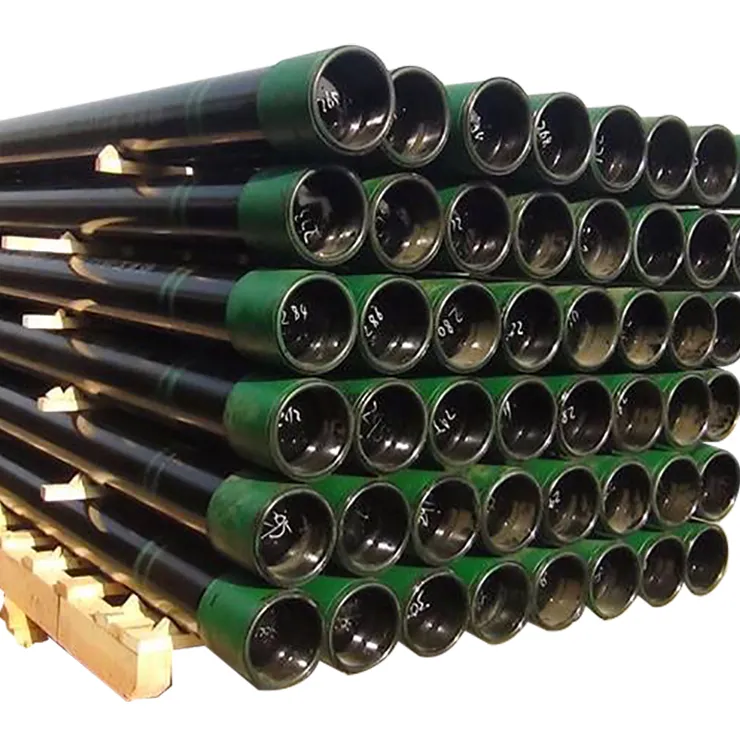
উপযুক্ত তেল আবরণ প্রতিরোধী উপাদান নির্বাচন করার সময় বিবেচনা করার বিষয়গুলি
উপসংহারে, একটি নির্দিষ্ট অ্যাপ্লিকেশন সেটিংসের জন্য উপযুক্ত তেল আবরণ প্রতিরোধী উপাদান নির্বাচন করার জন্য পরিবেশগত অবস্থা, ক্ষয়কারী এজেন্ট, যান্ত্রিক বৈশিষ্ট্য, খরচ বিবেচনা, প্রয়োগের সহজতা এবং নিয়ন্ত্রক প্রয়োজনীয়তাগুলির একটি ব্যাপক বোঝার প্রয়োজন। এই বিষয়গুলোকে যত্ন সহকারে মূল্যায়ন করে এবং সঠিক উপাদান নির্বাচন করে, অপারেটররা কার্যকরভাবে তাদের তেল ও গ্যাসের কূপগুলোকে ক্ষয় থেকে রক্ষা করতে পারে এবং দীর্ঘমেয়াদী অপারেশনাল সাফল্য নিশ্চিত করতে পারে।
Furthermore, the mechanical properties of the anticorrosion Material are vital in ensuring the structural integrity of the Oil Casing. The material should have adequate strength, toughness, and ductility to withstand the mechanical stresses and strains experienced during drilling, completion, and production operations. Additionally, factors such as thermal stability and compatibility with other downhole components should also be taken into account.
Cost-effectiveness is another crucial aspect to consider when selecting oil casing anticorrosion materials. While high-performance materials may offer superior Corrosion resistance, they can also be more expensive. It is essential to strike a balance between performance and cost to ensure that the cHosen material provides the required protection at a reasonable Price point.
The ease of application and Maintenance of the anticorrosion material should also be considered. Materials that are easy to apply, inspect, and Repair can help reduce downtime and maintenance costs associated with corrosion protection. Compatibility with existing coating systems and application methods is essential to ensure seamless integration into the well infrastructure.
In addition to these factors, regulatory requirements and industry standards should also guide the selection of oil casing anticorrosion materials. Compliance with relevant regulations and standards is essential to ensure the safety, environmental sustainability, and operational efficiency of the Oil and Gas well.

In conclusion, selecting the suitable oil casing anticorrosion material for a specific application setting requires a comprehensive understanding of the environmental conditions, corrosive agents, mechanical properties, cost considerations, ease of application, and regulatory requirements. By carefully evaluating these factors and choosing the right material, operators can effectively protect their oil and gas wells from corrosion and ensure long-term operational success.