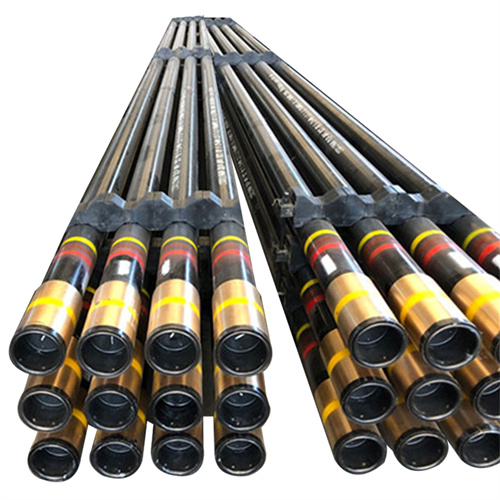
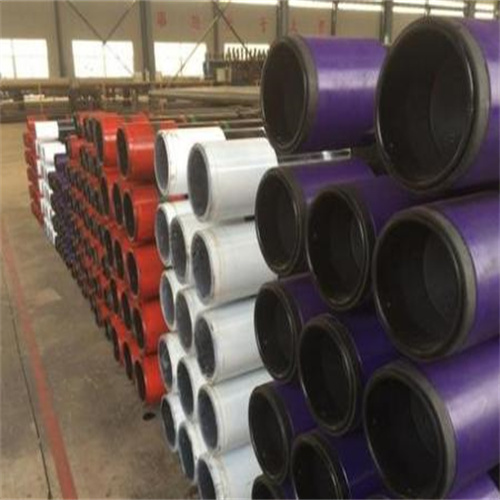
Environmental Benefits of Biodegradable Oil Casing Anticorrosion Materials
In the realm of industrial applications, particularly in the Oil and Gas sector, the choice of materials for anticorrosion measures plays a pivotal role in both operational efficiency and environmental impact. Traditional materials, while effective in preventing corrosion, often pose significant challenges in terms of environmental sustainability. This has led to a growing interest and emphasis on biodegradable alternatives, especially in the context of oil casing anticorrosion materials.
Biodegradable materials offer a compelling solution by combining effective corrosion protection with environmental responsibility. Unlike conventional materials that persist in the environment long after their useful life, biodegradable options break down naturally over time, minimizing ecological footprint and enhancing sustainability across the oil and gas industry.
One of the key environmental benefits of biodegradable oil casing anticorrosion materials lies in their reduced impact on ecosystems. Traditional materials, such as synthetic polymers and coatings, can leach harmful chemicals into the soil and waterways, posing risks to wildlife and ecosystems. In contrast, biodegradable materials are designed to degrade into harmless byproducts, ensuring minimal disruption to natural habitats and biodiversity.
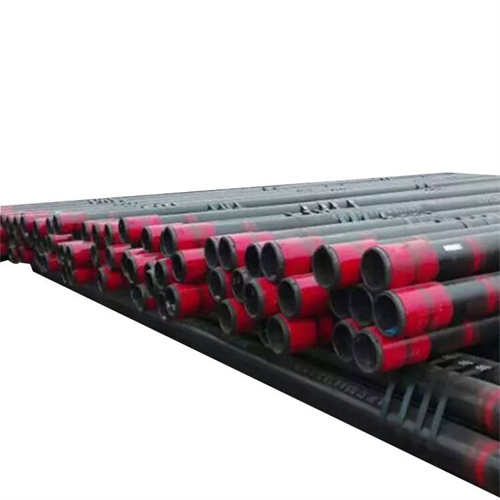
Moreover, the production of biodegradable materials often involves lower energy consumption and fewer greenhouse gas emissions compared to their conventional counterparts. This reduction in carbon footprint further enhances their environmental profile, aligning with global efforts to mitigate climate change and promote sustainable practices within the energy sector.
Transitioning to biodegradable oil casing anticorrosion materials also supports regulatory compliance and corporate social responsibility initiatives. Governments and regulatory bodies increasingly prioritize environmental stewardship, imposing stringent guidelines on industrial practices. By adopting biodegradable solutions, Companies not only adhere to these regulations but also demonstrate their commitment to environmental sustainability, fostering trust and credibility among stakeholders.
Furthermore, the application of biodegradable materials can contribute to operational efficiencies over the long term. While initial costs and technological adjustments may be involved in transitioning to biodegradable solutions, the potential for reduced Maintenance and disposal costs, as well as improved reputation and brand value, can outweigh these investments. This economic rationale, coupled with environmental benefits, makes biodegradable oil casing anticorrosion materials a prudent choice for forward-thinking companies in the oil and gas sector.
In conclusion, the shift towards biodegradable oil casing anticorrosion materials represents a significant advancement in sustainable engineering practices. By choosing materials that offer effective corrosion protection while minimizing environmental impact, companies can achieve a balance between operational needs and ecological responsibility. This proactive approach not only safeguards natural resources and ecosystems but also positions the industry as a responsible steward of the environment. As technological innovations contiNue to expand the repertoire of biodegradable materials, the potential for enhancing both environmental and operational outcomes in the oil and gas sector remains promising. Embracing biodegradability in anticorrosion strategies is not just a choice for today but a strategic investment in a sustainable future for generations to come.
Practical Considerations for Selecting Biodegradable Anticorrosion Materials
Choosing the right anticorrosion material for oil casing is crucial not only for performance but also for environmental sustainability. In recent years, there has been a growing emphasis on biodegradable options that minimize environmental impact without compromising on efficacy. This article explores practical considerations for selecting biodegradable anticorrosion materials tailored to specific application occasions.
In the realm of oil casing, where protection against corrosion is paramount, traditional materials often pose environmental risks due to their persistence in ecosystems. Biodegradable alternatives offer a promising solution by breaking down naturally over time, thus reducing long-term environmental footprint.
One primary consideration when selecting biodegradable anticorrosion materials is their compatibility with the intended application environment. Factors such as temperature, humidity, and chemical exposure play pivotal roles in determining the material\\u2019s effectiveness and lifespan. For instance, in offshore drilling operations where exposure to seawater is common, materials must withstand saltwater corrosion while remaining biodegradable.
Moreover, the efficiency of biodegradable materials in inhibiting corrosion must be thoroughly evaluated. While environmental sustainability is crucial, the material must also meet performance standards to ensure the integrity and longevity of oil casing. Advances in biotechnology have led to the development of biodegradable polymers and coatings that offer competitive corrosion protection compared to traditional options.
petroleum Casing Pipe SupplierCost-effectiveness is another critical factor influencing material selection. While biodegradable materials may initially appear more expensive than conventional alternatives, their long-term benefits, including reduced environmental remediation costs and regulatory compliance, often outweigh the upfront investment.
Furthermore, regulatory requirements and industry standards shape the landscape of material selection. Governments and international bodies increasingly advocate for sustainable practices in the oil and gas sector, prompting companies to adopt biodegradable materials that align with these standards. Compliance with regulations not only enhances corporate social responsibility but also mitigates legal risks associated with environmental non-compliance.
In practice, collaboration between researchers, Manufacturers, and end-users is essential for refining biodegradable anticorrosion technologies. Research institutions play a pivotal role in developing innovative materials, while manufacturers focus on scaling production and ensuring quality control. End-users, such as oil companies and drilling operators, provide valuable feedback on material performance in real-world scenarios, facilitating continuous improvement and adaptation.
Lastly, education and awareness within the industry are crucial for widespread adoption of biodegradable anticorrosion materials. Training programs and seminars can enlighten stakeholders about the benefits and applications of sustainable alternatives, fostering a collective commitment to environmental stewardship.
In conclusion, selecting biodegradable anticorrosion materials for oil casing involves a multifaceted approach encompassing technical, economic, regulatory, and environmental considerations. By prioritizing sustainability without compromising performance, stakeholders can contribute to a greener future for the oil and gas industry. Embracing innovation and collaboration will drive continued advancements in biodegradable technologies, paving the way for more responsible practices in corrosion protection.