নির্দিষ্ট অ্যাপ্লিকেশনের জন্য দক্ষ তেল আবরণ প্রতিরোধী উপাদান নির্বাচনের জন্য শীর্ষ কৌশল
উপসংহারে, একটি নির্দিষ্ট অ্যাপ্লিকেশনে তেলের আবরণগুলির জন্য সঠিক ক্ষয়রোধী উপাদান নির্বাচন করার প্রক্রিয়াটির জন্য একটি বিশদ, পদ্ধতিগত পদ্ধতির প্রয়োজন। এতে আবেদনের প্রয়োজনীয়তাগুলির একটি স্পষ্ট বোঝা, উপলব্ধ উপকরণগুলির পুঙ্খানুপুঙ্খ পরীক্ষা, মূল্য বিবেচনা, বিশেষজ্ঞদের সাথে সক্রিয় সহযোগিতা এবং নিরাপত্তা এবং পরিবেশগত সম্মতির উপর গভীর মনোযোগ অন্তর্ভুক্ত রয়েছে। এই কৌশলগুলি নিযুক্ত করা আপনাকে ক্ষয়রোধী উপকরণগুলির একটি দক্ষ নির্বাচনের দিকে নিয়ে যাবে, এইভাবে তেল উত্তোলনের প্রচেষ্টায় কার্যকরী আয়ুষ্কাল দীর্ঘায়িত করা এবং ঝুঁকি এবং ব্যয় হ্রাস নিশ্চিত করবে৷
কিভাবে সঠিক পছন্দ করবেন: বিভিন্ন অ্যাপ্লিকেশনের জন্য তেল আবরণ প্রতিরোধী উপাদান
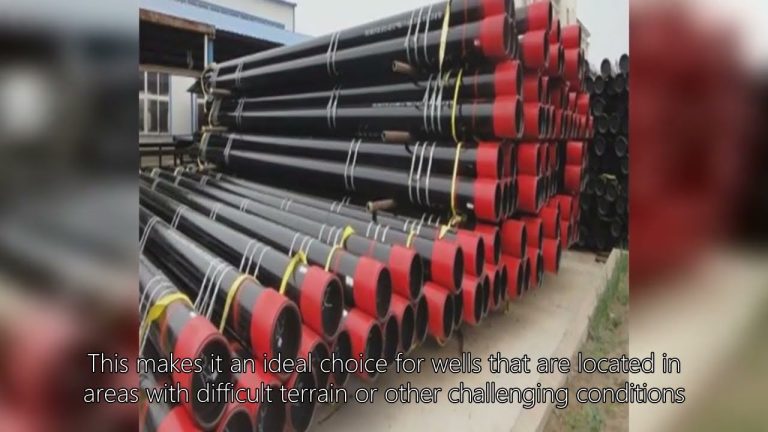
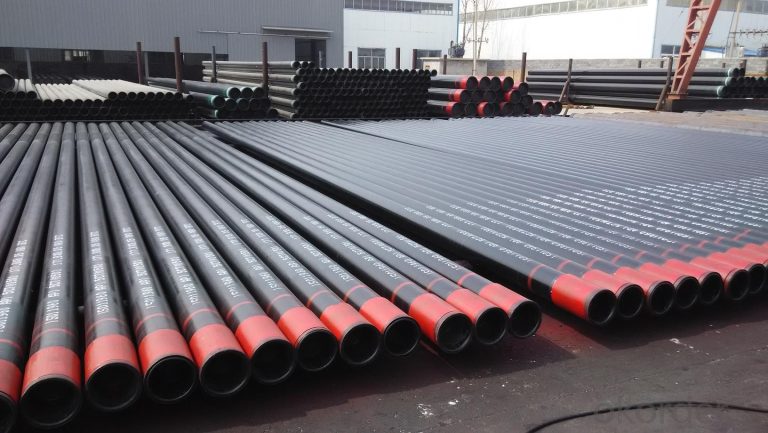
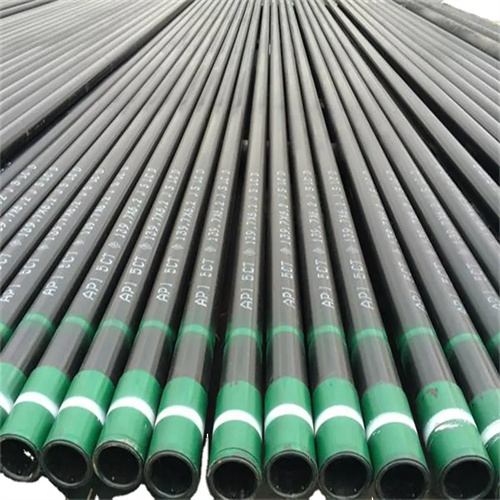
 বিভিন্ন অ্যাপ্লিকেশন অনুষ্ঠানের জন্য তেল আবরণ দুর্নীতিবিরোধী উপকরণ নির্বাচন জড়িত করার সময়, অনেক কারণের ভূমিকা আসে। এই কারণগুলির সিস্টেমের দক্ষতার উপর একটি উল্লেখযোগ্য প্রভাব রয়েছে; এইভাবে, উপকরণের সঠিক বোঝাপড়া এবং নির্বাচন একটি অপরিহার্য দিক প্রদর্শন করে। এর মধ্যে কয়েকটির মধ্যে রয়েছে ইলেক্ট্রোকেমিক্যাল জারা, রাসায়নিক জারা, মাইক্রোবায়োলজিক্যালি প্রভাবিত জারা এবং স্ট্রেস জারা ক্র্যাকিং। এই বৈচিত্রগুলি কার্যকরভাবে তাদের অগ্রগতি রোধ করার জন্য বিভিন্ন ধরনের সীল এবং উপকরণের প্রয়োজন। সাধারণত ব্যবহৃত দুটি প্রাথমিক শ্রেণীর উপকরণ হল কার্বন ইস্পাত এবং খাদ ইস্পাত। কার্বন ইস্পাত, যদিও সস্তা এবং সহজলভ্য, কিছু ক্ষয়কারী উপাদানের জন্য খাদ ইস্পাত দ্বারা দেওয়া প্রতিরোধের অভাব রয়েছে। অন্যদিকে, খাদ ইস্পাত দীর্ঘায়ু নিশ্চিত করে এই উপাদানগুলির বিরুদ্ধে স্বস্তি প্রদান করে। যাইহোক, উচ্চ খরচ বিতর্ক একটি বিন্দু. অতএব, নির্বাচনটি তেলের আবরণের নির্দিষ্ট প্রয়োগ, বাজেট এবং প্রত্যাশিত জীবনকালের উপর অত্যন্ত নির্ভর করে। যে পরিবেশে আবরণ স্থাপন করা হবে তা সরাসরি ক্ষয়ের হারকে প্রভাবিত করে। পরিবেশগত কারণগুলি যেমন তাপমাত্রা, চাপ, লবণাক্ততা এবং অম্লতা পুঙ্খানুপুঙ্খভাবে মূল্যায়ন করা আবশ্যক। উদাহরণস্বরূপ, যদি একটি তেলের আবরণ একটি উচ্চ-তাপমাত্রার পরিবেশে স্থাপন করা হয়, একটি উপাদান যা তাপ-প্ররোচিত অক্সিডেশন প্রতিরোধ করতে পারে যেমন একটি নিকেল-ভিত্তিক খাদ সবচেয়ে উপযুক্ত হতে পারে।
পণ্যের গঠন বোঝাও গুরুত্বপূর্ণ। আবরণের মধ্য দিয়ে যাওয়া তেল এবং গ্যাসের মিশ্রণের উপাদানগুলি ক্ষয়কে প্রভাবিত করতে পারে। উদাহরণস্বরূপ, হাইড্রোজেন সালফাইড, কার্বন ডাই অক্সাইড এবং মৌলিক সালফারের মতো উপাদানগুলি ক্ষয়কারী হিসাবে পরিচিত। এই ধরনের ক্ষেত্রে, স্টেইনলেস স্টীল এবং অন্যান্য ক্ষয়-প্রতিরোধী সংকর ধাতুগুলি, যা ক্ষয়কারী তরল পরিবেশেও আরামদায়কভাবে বিদ্যমান থাকতে পারে। তারা ক্ষয়ের প্রাথমিক লক্ষণগুলি সনাক্ত করতে ডায়াগনস্টিক সরঞ্জামগুলি ব্যবহার করতে পারে, যা তেল আবরণের আয়ুষ্কালকে উল্লেখযোগ্যভাবে বাড়িয়ে তুলতে পারে এবং সম্ভাব্য ডাউনটাইম কমাতে পারে। . কার্বন ইস্পাত এবং মিশ্র ইস্পাত অনেক ধরনের ক্ষয়ের বিরুদ্ধে স্থিতিস্থাপকতা প্রদান করে, তবে এই দুটির মধ্যে পছন্দ বাজেটের বিধান, আজীবন প্রত্যাশা এবং নির্দিষ্ট প্রয়োগের উপর নির্ভর করে। খাদ ইস্পাত বাঞ্ছনীয় যখন বাজেট একটি সীমাবদ্ধ ফ্যাক্টর না এবং উচ্চতর কর্মক্ষমতা এবং দীর্ঘায়ু চাওয়া হয়। উপরন্তু, পরিবেশগত অবস্থার পুঙ্খানুপুঙ্খ পরীক্ষা এবং পণ্যের গঠন বোঝা সঠিক নির্বাচন করার জন্য মূল্যবান অন্তর্দৃষ্টি প্রদান করতে পারে। নিয়মিত পরিদর্শন এবং রক্ষণাবেক্ষণ এই প্রক্রিয়াটিকে টপ-অফ করে নিশ্চিত করুন যে নির্বাচিত উপাদান তেলের আবরণের জীবনকাল জুড়ে সর্বোত্তম পরিষেবা প্রদান করে৷
How to Make the Right Choice: Oil Casing Anticorrosion Materials for Different Application Occasions
When involving the selection of oil casing anticorruption materials for different application occasions, many factors come to play. These factors have a significant influence on the efficiency of the system; thus, proper understanding and selection of materials demonstrate an essential aspect.
One of the first steps in making an efficient choice is understanding the different types of corrosion that can affect an oil casing. Some of these include electrochemical corrosion, chemical corrosion, microbiologically influenced corrosion, and stress corrosion cracking. These variations require different types of Seals and materials to prevent their progression effectively.
Material selection is a critical factor in determining the lifespan and performance of the oil casing. The two primary classes of materials commonly used are Carbon Steel and alloy steel. Carbon steel, while cheaper and readily available, lacks the resistance offered by alloy steel to certain corrosive elements. Alloy steel, on the other hand, provides relief against these elements, ensuring longevity. However, the higher cost is a point of contention. Therefore, the selection depends highly on the specific application, budget, and expected lifespan of the oil casing.
Another key factor to consider in choosing the most efficient oil casing anticorrosion material is the environment. The environment in which the casing will be placed directly impacts corrosion rates. Environmental factors such as temperature, pressure, salinity, and acidity must be thoroughly evaluated. For example, if an oil casing is to be deployed in a high-temperature environment, a material that can resist heat-induced oxidation such as a nickel-based alloy could be the best fit.
Understanding the product composition is also crucial. The constituents of the Oil and Gas mixture passing through the casing can influence corrosion. For instance, elements like hydrogen sulfide, carbon dioxide, and elemental sulfur are known corrosives. In such instances, Stainless Steel and other corrosion-resistant alloys, which can comfortably exist even in corrosive fluid environments, may be favored.
Lastly, Companies should undertake regular inspections and Maintenance checks to mitigate corrosion damage over time. They can use diagnostic tools to detect early signs of corrosion, which can significantly enhance the lifespan of the oil casing and reduce potential downtime.
To conclude, the efficient selection of oil casing anticorrosion material requires a careful consideration of the several factors highlighted above. Carbon steel and alloy steel offer resilience against many forms of corrosion, but the choice between these two depends on the budgetary provisions, lifetime expectation, and specific application. Alloy steel is preferable when budget is not a limiting factor and superior performance and longevity are sought. Additionally, thorough examination of environmental conditions and understanding product composition can provide valuable insights to make the right selection. Regular inspections and maintenance top-off this process to ensure the selected material provides the best service throughout the oil casing’s life span.