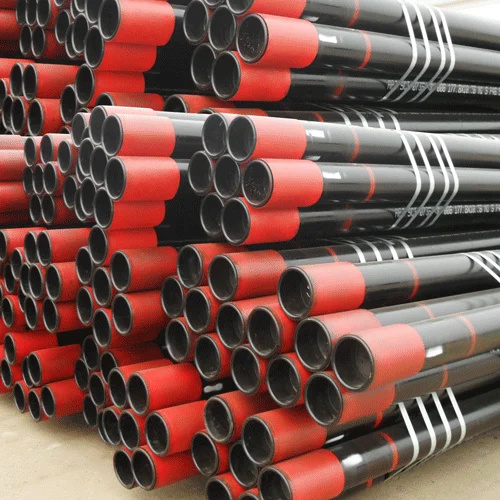
**কঠোর মান নিয়ন্ত্রণ ব্যবস্থা প্রয়োগ করা**
**উন্নত উৎপাদন প্রযুক্তিতে বিনিয়োগ**
কলাকার টিউব চীন সেরা সরবরাহকারী
এছাড়া, উৎপাদন পরিবেশের মধ্যে মানের সংস্কৃতি গড়ে তোলার জন্য কর্মচারী প্রশিক্ষণ এবং উন্নয়নে বিনিয়োগ অপরিহার্য। যেহেতু উন্নত প্রযুক্তিগুলি উত্পাদন প্রক্রিয়ার সাথে একত্রিত করা হয়েছে, তাই এই সিস্টেমগুলিকে কার্যকরভাবে পরিচালনা এবং রক্ষণাবেক্ষণ করার জন্য কর্মীবাহিনীকে প্রয়োজনীয় দক্ষতার সাথে সজ্জিত করা অপরিহার্য। ক্রমাগত প্রশিক্ষণ কর্মসূচী নতুন প্রযুক্তি এবং সর্বোত্তম অনুশীলন সম্পর্কে কর্মচারীদের বোঝার উন্নতি করতে পারে, যা শেষ পর্যন্ত উন্নত উত্পাদন মানের দিকে পরিচালিত করে। একটি সু-প্রশিক্ষিত কর্মীবাহিনী গুণমানের সমস্যাগুলিকে সক্রিয়ভাবে চিহ্নিত করতে এবং মোকাবেলা করার সম্ভাবনা বেশি, একটি আরও শক্তিশালী উত্পাদন প্রক্রিয়াতে অবদান রাখে৷
অবশেষে, শিল্প অংশীদার এবং স্টেকহোল্ডারদের সাথে সহযোগিতা উত্পাদনের গুণমানে সেরা অনুশীলন এবং উদ্ভাবনগুলি ভাগ করে নেওয়ার সুবিধা দিতে পারে৷ সরবরাহকারী, গ্রাহক এবং গবেষণা প্রতিষ্ঠানের সাথে জড়িত থাকার মাধ্যমে, নির্মাতারা প্রযুক্তি এবং গুণমান নিশ্চিতকরণ পদ্ধতির সর্বশেষ অগ্রগতিগুলির সমতলে থাকতে পারে। এই সহযোগিতামূলক পন্থা শুধুমাত্র উদ্ভাবনকে উৎসাহিত করে না বরং শিল্পের মান প্রতিষ্ঠাকে উৎসাহিত করে যা বোর্ড জুড়ে উচ্চ-মানের উত্পাদন অনুশীলনের প্রচার করে। অটোমেশন, উন্নত উপকরণ, ডেটা বিশ্লেষণ, কর্মচারী প্রশিক্ষণ এবং সহযোগিতার মাধ্যমে, নির্মাতারা তেল আবরণ উত্পাদনের সাথে যুক্ত চ্যালেঞ্জগুলি মোকাবেলা করতে পারে। শিল্পের বিকাশ অব্যাহত থাকায়, এই বিনিয়োগগুলি নিশ্চিত করতে গুরুত্বপূর্ণ হবে যে উত্পাদনের গুণমান নিরাপত্তা, দক্ষতা এবং পরিবেশগত দায়িত্বের চাহিদা পূরণ করে। এই অগ্রগতিগুলিকে অগ্রাধিকার দেওয়ার মাধ্যমে, তেল ও গ্যাস খাত আরও টেকসই এবং নির্ভরযোগ্য ভবিষ্যতের পথ প্রশস্ত করতে পারে৷
One of the most effective ways to enhance manufacturing quality is through the implementation of automation and robotics. These technologies can streamline production processes, reduce human error, and increase precision in the manufacturing of Oil Casing. For instance, automated systems can ensure consistent application of Materials and adherence to specifications, which is essential for maintaining the structural integrity of the casing. Furthermore, robotics can operate in environments that may be hazardous to human workers, thereby not only improving safety but also allowing for continuous production cycles that enhance overall output.
In addition to automation, the integration of advanced materials science plays a pivotal role in improving the quality of oil casing. By investing in research and development, Manufacturers can explore new alloys and composite materials that offer superior strength, Corrosion resistance, and durability. These advancements can lead to the production of oil casing that withstands the harsh conditions often encountered in oil extraction processes. Moreover, the use of advanced materials can extend the lifespan of the casing, reducing the frequency of replacements and Repairs, which ultimately contributes to cost savings and operational efficiency.
Another significant aspect of enhancing manufacturing quality is the adoption of data analytics and the Internet of Things (IoT). By leveraging these technologies, manufacturers can gather and analyze data from various stages of the production process. This real-time monitoring allows for the identification of potential issues before they escalate into significant problems. For example, predictive Maintenance can be employed to anticipate equipment failures, thereby minimizing downtime and ensuring that production remains uninterrupted. Additionally, data analytics can provide insights into production trends, enabling manufacturers to make informed decisions regarding process improvements and resource allocation.
Furthermore, investing in employee training and development is essential for fostering a culture of quality within the manufacturing environment. As advanced technologies are integrated into the production process, it is imperative that the workforce is equipped with the necessary skills to operate and maintain these systems effectively. Continuous training programs can enhance employees’ understanding of new technologies and best practices, ultimately leading to improved manufacturing quality. A well-trained workforce is more likely to identify and address quality issues proactively, contributing to a more robust manufacturing process.
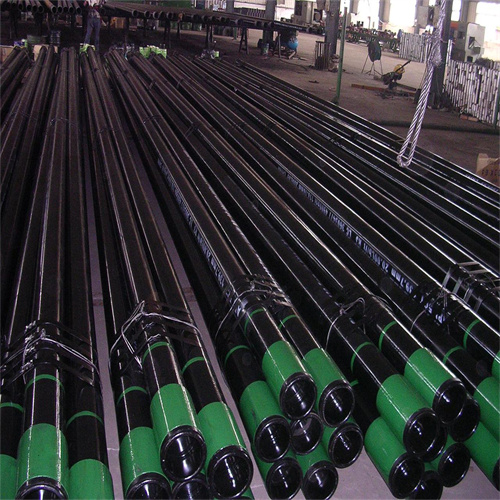
Lastly, collaboration with industry partners and stakeholders can facilitate the sharing of best practices and innovations in manufacturing quality. By engaging with Suppliers, customers, and research institutions, manufacturers can stay abreast of the latest advancements in technology and quality assurance methodologies. This collaborative approach not only fosters innovation but also encourages the establishment of industry standards that promote high-quality manufacturing practices across the board.
In conclusion, investing in advanced manufacturing technologies is a multifaceted approach that can significantly enhance the quality of oil casing. Through automation, advanced materials, data analytics, employee training, and collaboration, manufacturers can address the challenges associated with oil casing production. As the industry contiNues to evolve, these investments will be critical in ensuring that manufacturing quality meets the demands of safety, efficiency, and environmental responsibility. By prioritizing these advancements, the Oil and Gas sector can pave the way for a more sustainable and reliable future.