তেল আবরণ উত্পাদন মানের জন্য পরিদর্শন কৌশল
তেল আবরণ উত্পাদন গুণমান মূল্যায়নের মূল পরামিতি
 API 5ct T95 কেসিং সরবরাহকারী সারফেস ফিনিস হল উত্পাদন মানের আরেকটি গুরুত্বপূর্ণ দিক। একটি মসৃণ পৃষ্ঠ ফিনিস আবরণ ইনস্টলেশন এবং অপসারণের সময় ঘর্ষণ হ্রাস করে, ড্রিলিং সরঞ্জামগুলিতে পরিধান কমিয়ে দেয় এবং ডাউনহোল সরঞ্জামগুলির সাথে কার্যকর সিল করার সুবিধা দেয়। পৃষ্ঠের অসম্পূর্ণতা যেমন গর্ত, স্ক্র্যাচ বা অসমতা আবরণকে দুর্বল করে দিতে পারে এবং কার্যক্ষম চাপের মধ্যে সম্ভাব্য ব্যর্থতার দিকে নিয়ে যেতে পারে। চাক্ষুষ পরিদর্শন এবং চৌম্বকীয় কণা পরিদর্শনের মতো অ-ধ্বংসাত্মক পরীক্ষার পদ্ধতি সহ কঠোর পরিদর্শন প্রক্রিয়া, পৃষ্ঠের গুণমান প্রয়োজনীয় মান পূরণ করে তা নিশ্চিত করে। কূপে ইনস্টলেশনের জন্য প্রয়োজনীয় দৈর্ঘ্য অর্জনের জন্য কেসিং জয়েন্টগুলি সাধারণত ঢালাই করা হয়। এই ঢালাইগুলির শক্তি এবং অখণ্ডতা অত্যন্ত গুরুত্বপূর্ণ কারণ তাদের অবশ্যই ড্রিলিং এবং উত্পাদনের সময় যান্ত্রিক চাপ এবং চাপের পার্থক্য সহ্য করতে হবে। ওয়েল্ডগুলি অতিস্বনক বা রেডিওগ্রাফিক পরীক্ষার পদ্ধতি ব্যবহার করে পরিদর্শন করা হয় যাতে ছিদ্র, ফাটল বা অসম্পূর্ণ ফিউশনের মতো ত্রুটিগুলি সনাক্ত করা হয় যা কেসিংয়ের কাঠামোগত অখণ্ডতার সাথে আপস করতে পারে৷ তেল আবরণ প্রস্তুতকারকদের অবশ্যই শিল্প-নির্দিষ্ট মান মেনে চলতে হবে যেমন API (আমেরিকান পেট্রোলিয়াম ইনস্টিটিউট) স্পেসিফিকেশন, যা উপকরণ, মাত্রা এবং পরীক্ষার পদ্ধতির প্রয়োজনীয়তা সংজ্ঞায়িত করে। সার্টিফিকেশন নিশ্চিত করে যে কেসিং গুণমানের মানদণ্ড পূরণ করে এবং তেলক্ষেত্রের পরিবেশের চাহিদায় ব্যবহারের জন্য উপযুক্ত। নির্মাতারা কেসিংয়ের প্রতিটি ব্যাচের সাথে যুক্ত কাঁচামাল, উত্পাদন প্রক্রিয়া, পরিদর্শন ফলাফল এবং সার্টিফিকেশনের বিস্তারিত রেকর্ড বজায় রাখে। ট্রেসেবিলিটি জবাবদিহিতা নিশ্চিত করে এবং উত্পাদনের সময় বা পরে যে কোনও গুণগত সমস্যা দেখা দিতে পারে তা দ্রুত সনাক্তকরণ এবং সমাধানের সুবিধা দেয়। প্রকৃত ভাল পরিবেশে কেসিং কার্যকারিতা নিরীক্ষণ উত্পাদন প্রক্রিয়াগুলিকে বৈধ করতে এবং ক্রমাগত উন্নতির সুযোগগুলি সনাক্ত করতে সহায়তা করে। , এবং ট্রেসেবিলিটি। এই পরামিতিগুলির প্রতিটি ভাল অখণ্ডতা রক্ষা এবং দক্ষ তেল উত্পাদন কার্যক্রম নিশ্চিত করতে তেল আবরণের সামগ্রিক নির্ভরযোগ্যতা এবং কার্যকারিতাতে অবদান রাখে। কঠোর মান নিয়ন্ত্রণের ব্যবস্থা মেনে চলা এবং উন্নত পরিদর্শন প্রযুক্তি ব্যবহার করে, নির্মাতারা তেল ও গ্যাস শিল্পের দাবিকৃত গুণমান এবং নির্ভরযোগ্যতার সর্বোচ্চ মান বজায় রাখে।
Key Parameters to Assess Oil Casing Manufacturing Quality
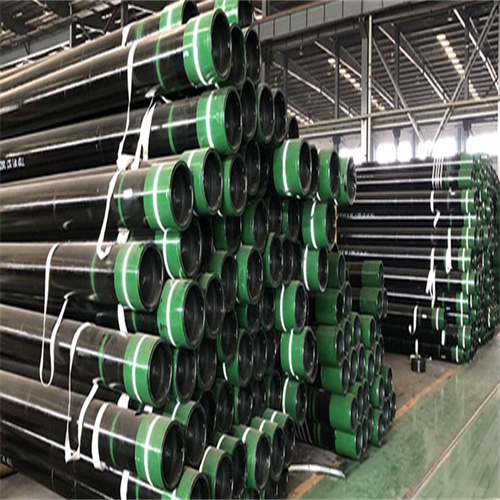
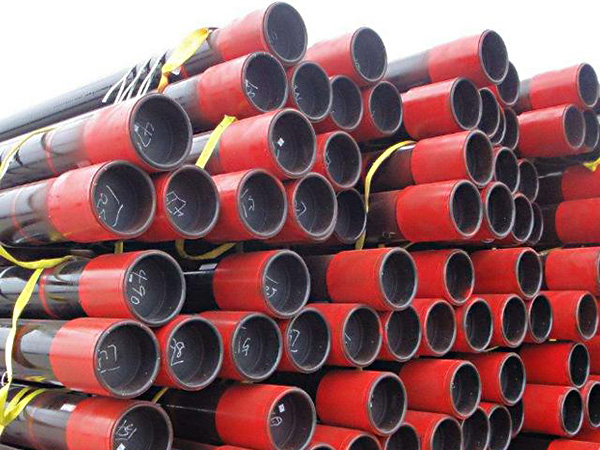
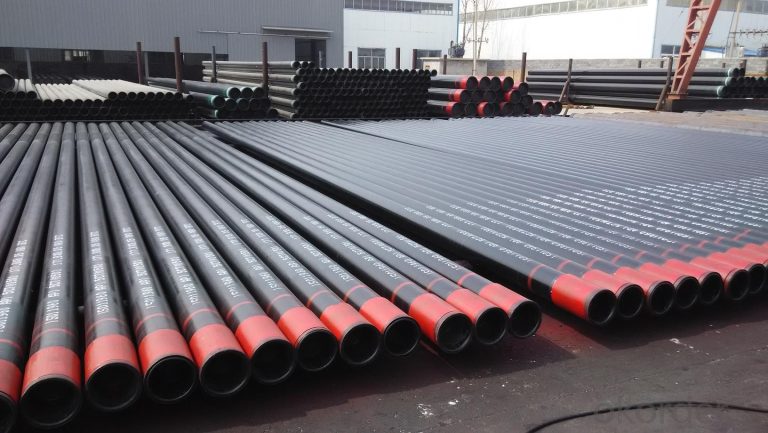
Ensuring the quality of oil casing is critical for the integrity and efficiency of Oil Wells. Oil casing serves as a crucial barrier between the wellbore and the surrounding geological formations, protecting against leaks and ensuring structural stability under extreme conditions. Verifying the manufacturing quality of oil casing involves assessing key parameters that directly impact its performance and longevity in the field.
First and foremost, the Material used in manufacturing oil casing plays a pivotal role. Typically, oil casing is made from carbon or alloy Steel due to its strength and durability. The quality of the steel is determined by its chemical composition, including elements such as carbon, manganese, and silicon. high-quality steel ensures the casing can withstand the pressures and corrosive environments encountered during drilling and production operations.
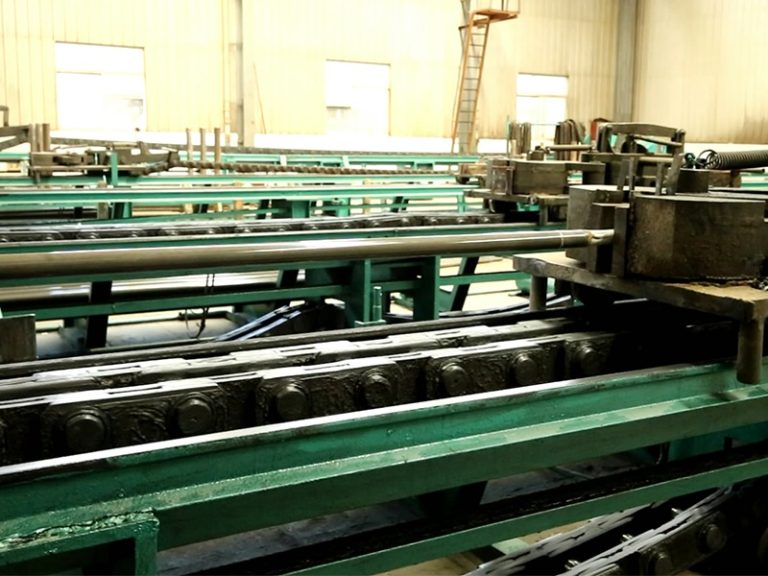
The next parameter to assess is the dimensional accuracy of the casing. Oil casing must conform precisely to specified dimensions to ensure proper fit and alignment within the wellbore. Deviations in Diameter, Wall thickness, or Length can compromise the Sealing integrity or structural strength of the casing. Manufacturers employ precise machining and inspection techniques to meet dimensional tolerances as per industry standards.
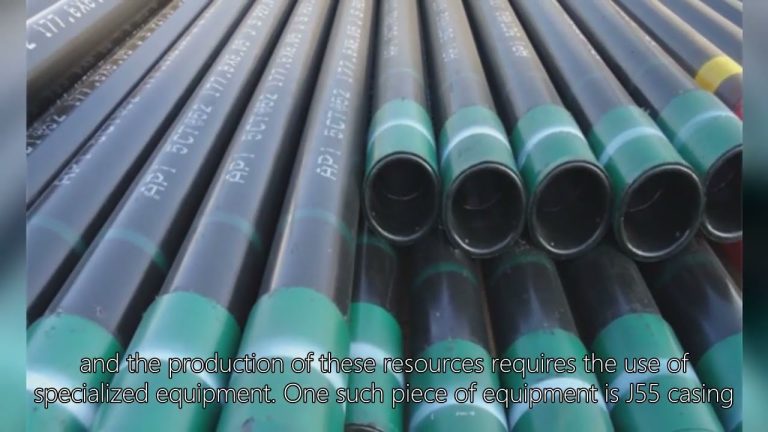
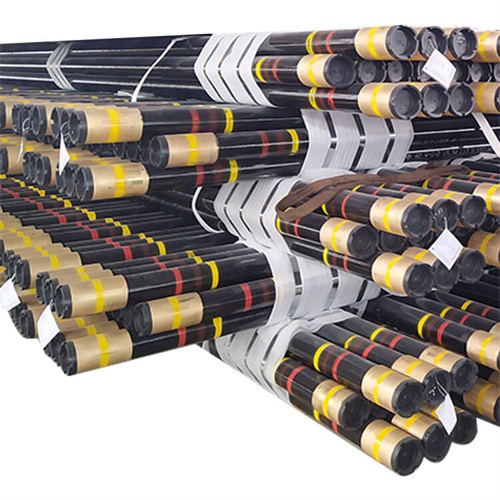
API 5CT T95 CASING Suppliersurface finish is another critical aspect of manufacturing quality. A Smooth surface finish reduces friction during installation and removal of the casing, minimizes wear on drilling equipment, and facilitates effective sealing with downhole Tools. Surface imperfections such as pits, scratches, or unevenness can weaken the casing and potentially lead to failure under operational stresses. Rigorous inspection processes, including visual inspection and Non-destructive testing methods like magnetic particle inspection, ensure surface quality meets required standards.
Weld quality is paramount in oil casing manufacturing. casing joints are typically welded to achieve the necessary length for installation in the well. The strength and integrity of these welds are crucial as they must withstand the mechanical stresses and pressure differentials encountered during drilling and production. Welds are inspected using ultrasonic or radiographic testing methods to detect defects such as porosity, cracks, or incomplete fusion that could compromise the casing’s structural integrity.
Furthermore, adherence to manufacturing standards and certifications is essential. oil casing Manufacturers must comply with industry-specific standards such as API (American Petroleum Institute) specifications, which define requirements for materials, dimensions, and testing procedures. Certification ensures that the casing meets quality benchmarks and is suitable for use in demanding oilfield environments.
In addition to these technical parameters, traceability and documentation are vital aspects of quality verification. Manufacturers maintain detailed records of raw materials, production processes, inspection results, and certifications associated with each batch of casing. Traceability ensures accountability and facilitates prompt identification and resolution of any quality issues that may arise during or after manufacturing.
Lastly, field performance and feedback from operators provide valuable insights into the long-term reliability of oil casing. Monitoring casing performance in actual well environments helps validate manufacturing processes and identify opportunities for continuous improvement.
In conclusion, verifying the manufacturing quality of oil casing involves a comprehensive assessment of material selection, dimensional accuracy, surface finish, weld quality, adherence to standards, and traceability. Each of these parameters contributes to the overall reliability and performance of oil casing in protecting well integrity and ensuring efficient oil production operations. By adhering to stringent quality control measures and leveraging advanced inspection technologies, manufacturers uphold the highest standards of quality and reliability demanded by the Oil and Gas industry.