তেল আবরণ সামগ্রীর জন্য স্টেইনলেস স্টিল ব্যবহারের সুবিধা এবং অসুবিধা
তেল আবরণ সামগ্রীর দীর্ঘায়ুতে জারা প্রতিরোধের প্রভাব
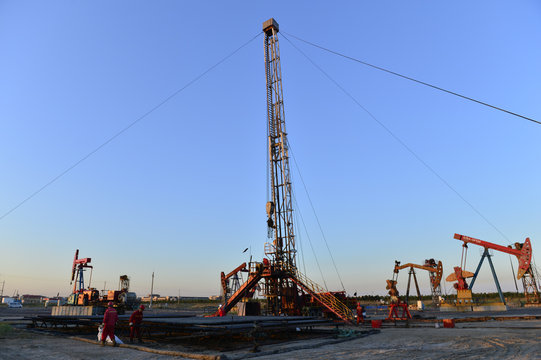
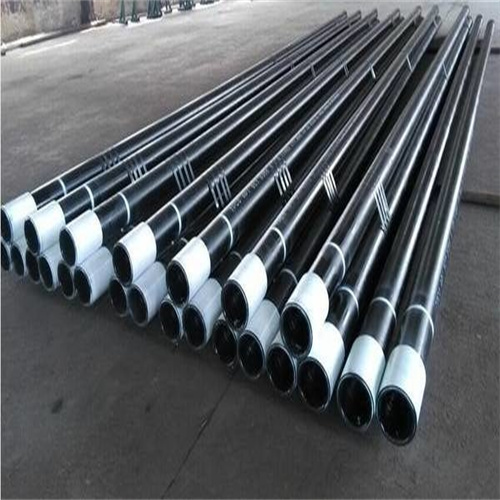
 তেল আবরণ উপকরণ তেল এবং গ্যাস শিল্পে একটি গুরুত্বপূর্ণ ভূমিকা পালন করে, ড্রিলিং এবং উত্পাদন অপারেশনের সময় কূপের জন্য কাঠামোগত সহায়তা এবং সুরক্ষা প্রদান করে। তেল আবরণ উপকরণের কর্মক্ষমতা এবং দীর্ঘায়ুকে প্রভাবিত করে এমন বিভিন্ন কারণের মধ্যে, জারা প্রতিরোধের মূল বিবেচনা হিসাবে দাঁড়িয়েছে। ক্ষয় সহ্য করার জন্য একটি আবরণ উপাদানের ক্ষমতা কঠোর পরিচালন পরিবেশে এর স্থায়িত্ব এবং কার্যকারিতাকে উল্লেখযোগ্যভাবে প্রভাবিত করতে পারে।
ক্ষয় একটি প্রাকৃতিক প্রক্রিয়া যা ঘটতে পারে যখন ধাতব পদার্থগুলি জল, রাসায়নিক এবং গ্যাসের মতো ক্ষয়কারী উপাদানগুলির সংস্পর্শে আসে৷ তেল এবং গ্যাসের কূপের প্রেক্ষাপটে, ক্ষয়কারী তরল এবং উচ্চ চাপের অবস্থার কারণে ক্ষয় বিশেষত সমস্যাযুক্ত হতে পারে। যেমন, ভাল পরিকাঠামোর অখণ্ডতা এবং দীর্ঘায়ু নিশ্চিত করার জন্য উচ্চ জারা প্রতিরোধের সঙ্গে তেল আবরণ উপকরণ নির্বাচন অপরিহার্য। স্টেইনলেস স্টীল একটি বহুমুখী সংকর ধাতু যা ক্রোমিয়াম ধারণ করে, যা উপাদানের পৃষ্ঠে একটি প্রতিরক্ষামূলক অক্সাইড স্তর তৈরি করে, যা ধাতুর গভীরে প্রবেশ করা থেকে ক্ষয় রোধ করে। এই অন্তর্নিহিত ক্ষয় প্রতিরোধ ক্ষমতা স্টেইনলেস স্টিলকে তেলের আবরণ প্রয়োগের জন্য একটি জনপ্রিয় পছন্দ করে তোলে যেখানে ক্ষয়কারী তরলগুলির সংস্পর্শ একটি উদ্বেগের বিষয়৷
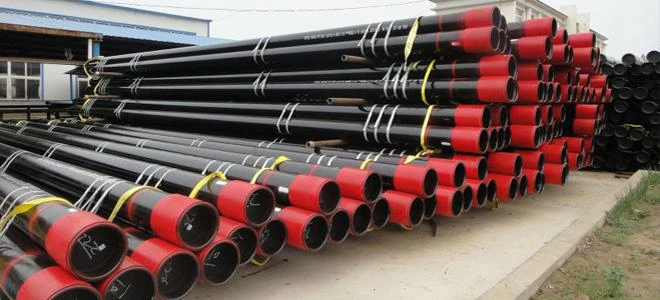
API 5ct R95 কেসিং এক্সপোর্টার্স
আরেকটি উপাদান যা তেল এবং গ্যাস অপারেশনে এর ক্ষয় প্রতিরোধের জন্য মূল্যবান তা হল জারা-প্রতিরোধী সংকর ধাতু (CRAs)। এই অ্যালয়গুলি বিশেষভাবে আক্রমনাত্মক পরিবেশ সহ্য করার জন্য ডিজাইন করা হয়েছে এবং প্রচলিত ইস্পাত উপকরণের তুলনায় জারা থেকে উচ্চতর প্রতিরোধের প্রস্তাব দেয়। সিআরএগুলি প্রায়শই অফশোর ড্রিলিং অপারেশনে এবং কূপগুলিতে ব্যবহার করা হয় যেখানে ক্ষয়ের ঝুঁকি বেশি থাকে, যা অবনতি এবং ব্যর্থতার বিরুদ্ধে দীর্ঘমেয়াদী সুরক্ষা প্রদান করে। জারা প্রতিরোধের উন্নত তেল আবরণ অ্যাপ্লিকেশন ব্যবহার করা হয়. এই আবরণগুলি, যার মধ্যে ইপোক্সি, দস্তা বা পলিমার-ভিত্তিক উপাদান থাকতে পারে, কেসিং উপাদান এবং ক্ষয়কারী উপাদানগুলির মধ্যে একটি বাধা হিসাবে কাজ করে, কেসিংয়ের আয়ু বাড়ায় এবং ক্ষয়-সম্পর্কিত ব্যর্থতার ঝুঁকি হ্রাস করে।
প্রভাবের মূল্যায়ন করার সময় তেল আবরণ উপাদানের দীর্ঘায়ু উপর জারা প্রতিরোধের, এটা আবরণ উন্মুক্ত করা হবে যে নির্দিষ্ট অপারেটিং অবস্থা এবং পরিবেশগত কারণ বিবেচনা করা আবশ্যক. তাপমাত্রা, চাপ, তরল গঠন, এবং ক্ষয়কারী এজেন্টের উপস্থিতির মতো কারণগুলি সবই ক্ষয়ের হার এবং ক্ষয় সুরক্ষা ব্যবস্থার কার্যকারিতাকে প্রভাবিত করতে পারে। ক্ষয়কারী পরিবেশে তেল আবরণ উপকরণ কর্মক্ষমতা. নিয়মিত পরিদর্শন, জারা হারের নিরীক্ষণ, এবং সময়মত মেরামত বা প্রতিস্থাপন ক্ষয়ের প্রভাব প্রশমিত করতে এবং তেল কূপের পরিষেবা জীবনকে প্রসারিত করতে সাহায্য করতে পারে। উচ্চ জারা প্রতিরোধের সাথে উপকরণ নির্বাচন করে, প্রতিরক্ষামূলক ব্যবস্থা বাস্তবায়ন করে এবং সক্রিয় রক্ষণাবেক্ষণ কৌশল গ্রহণ করে, অপারেটররা তেল ও গ্যাস কূপের স্থায়িত্ব এবং নির্ভরযোগ্যতা বাড়াতে পারে, শেষ পর্যন্ত অপারেশনাল দক্ষতার উন্নতি করতে এবং ডাউনটাইম কমাতে পারে।
Oil Casing Materials play a crucial role in the Oil and Gas industry, providing structural support and protection for wells during drilling and production operations. Among the various factors that influence the performance and longevity of oil casing materials, Corrosion resistance stands out as a key consideration. The ability of a casing material to withstand corrosion can significantly impact its durability and effectiveness in harsh operating environments.
Corrosion is a natural process that can occur when metal materials are exposed to corrosive elements such as water, chemicals, and gases. In the context of oil and gas wells, corrosion can be particularly problematic due to the presence of corrosive fluids and high-pressure conditions. As such, selecting oil casing materials with high corrosion resistance is essential to ensure the integrity and longevity of the well infrastructure.
One of the commonly used oil casing materials known for its excellent corrosion resistance is Stainless Steel. Stainless steel is a versatile alloy that contains chromium, which forms a protective oxide layer on the surface of the material, preventing corrosion from penetrating deeper into the metal. This inherent corrosion resistance makes stainless steel a popular choice for oil casing applications where exposure to corrosive fluids is a concern.
Another material that is valued for its corrosion resistance in oil and gas operations is corrosion-resistant alloys (CRAs). These alloys are specifically designed to withstand aggressive environments and offer superior resistance to corrosion compared to conventional steel materials. CRAs are often used in offshore drilling operations and in wells where the risk of corrosion is high, providing long-term protection against degradation and failure.
In addition to stainless steel and CRAs, other materials such as Carbon steel with protective coatings are also used in oil casing applications to enhance corrosion resistance. These coatings, which can include epoxy, zinc, or polymer-based materials, act as a barrier between the casing material and corrosive elements, extending the lifespan of the casing and reducing the risk of corrosion-related failures.
When evaluating the impact of corrosion resistance on the longevity of oil casing materials, it is essential to consider the specific operating conditions and environmental factors that the casing will be exposed to. Factors such as temperature, pressure, fluid composition, and presence of corrosive agents can all influence the rate of corrosion and the effectiveness of corrosion protection measures.
Proper material selection, surface treatments, and Maintenance practices are critical in ensuring the long-term performance of oil casing materials in corrosive environments. Regular inspections, monitoring of corrosion rates, and timely Repairs or replacements can help mitigate the effects of corrosion and extend the service life of Oil Wells.
In conclusion, the impact of corrosion resistance on the longevity of oil casing materials cannot be overstated. By choosing materials with high corrosion resistance, implementing protective measures, and adopting proactive maintenance strategies, operators can enhance the durability and reliability of oil and gas wells, ultimately improving operational efficiency and reducing downtime.