Faida na Hasara za Kutumia Chuma cha pua kwa Nyenzo za Kufunga Mafuta
Athari ya Upinzani wa Kutu kwa Urefu wa Kudumu wa Nyenzo za Kuweka Mafuta

Nyenzo nyingine ambayo inathaminiwa kwa upinzani wake wa kutu katika shughuli za mafuta na gesi ni aloi zinazostahimili kutu (CRAs). Aloi hizi zimeundwa mahsusi kuhimili mazingira ya fujo na kutoa upinzani wa hali ya juu dhidi ya kutu ikilinganishwa na nyenzo za kawaida za chuma. CRA mara nyingi hutumiwa katika shughuli za uchimbaji wa pwani na katika visima ambapo hatari ya kutu ni kubwa, hivyo kutoa ulinzi wa muda mrefu dhidi ya uharibifu na kushindwa.
Mbali na chuma cha pua na CRAs, vifaa vingine kama vile chuma cha kaboni kilicho na mipako ya kinga pia kutumika katika uwekaji kabati za mafuta ili kuongeza upinzani wa kutu. Mipako hii, ambayo inaweza kujumuisha nyenzo zenye msingi wa epoksi, zinki au polima, hufanya kama kizuizi kati ya nyenzo za kabati na vipengele vya ulikaji, kupanua maisha ya kabati na kupunguza hatari ya hitilafu zinazohusiana na kutu.
Wakati wa kutathmini athari ya upinzani wa kutu juu ya maisha marefu ya vifaa vya casing ya mafuta, ni muhimu kuzingatia hali maalum ya uendeshaji na mambo ya mazingira ambayo casing itakuwa wazi. Mambo kama vile halijoto, shinikizo, muundo wa kiowevu, na uwepo wa mawakala babuzi yote yanaweza kuathiri kasi ya kutu na ufanisi wa hatua za ulinzi wa kutu.
Uteuzi sahihi wa nyenzo, matibabu ya uso na urekebishaji ni muhimu katika kuhakikisha kuwa kunadumu kwa muda mrefu. utendaji wa vifaa vya kuweka mafuta katika mazingira yenye babuzi. Ukaguzi wa mara kwa mara, ufuatiliaji wa viwango vya kutu, na ukarabati kwa wakati au uingizwaji unaweza kusaidia kupunguza athari za kutu na kupanua maisha ya huduma ya visima vya mafuta.
Kwa kumalizia, athari za ukinzani wa kutu kwa maisha marefu ya nyenzo za kuweka mafuta haziwezi kupitiwa. Kwa kuchagua nyenzo zenye uwezo wa kustahimili kutu, kutekeleza hatua za ulinzi, na kutumia mikakati madhubuti ya matengenezo, waendeshaji wanaweza kuimarisha uimara na kutegemewa kwa visima vya mafuta na gesi, hatimaye kuboresha ufanisi wa kazi na kupunguza muda wa kupungua.
Impact of Corrosion resistance on the Longevity of Oil Casing Materials
Oil casing materials play a crucial role in the Oil and Gas industry, providing structural support and protection for wells during drilling and production operations. Among the various factors that influence the performance and longevity of oil casing materials, corrosion resistance stands out as a key consideration. The ability of a casing material to withstand corrosion can significantly impact its durability and effectiveness in harsh operating environments.
Corrosion is a natural process that can occur when metal materials are exposed to corrosive elements such as water, chemicals, and gases. In the context of oil and gas wells, corrosion can be particularly problematic due to the presence of corrosive fluids and high-pressure conditions. As such, selecting oil casing materials with high corrosion resistance is essential to ensure the integrity and longevity of the well infrastructure.
One of the commonly used oil casing materials known for its excellent corrosion resistance is Stainless Steel. Stainless steel is a versatile alloy that contains chromium, which forms a protective oxide layer on the surface of the material, preventing corrosion from penetrating deeper into the metal. This inherent corrosion resistance makes stainless steel a popular choice for oil casing applications where exposure to corrosive fluids is a concern.
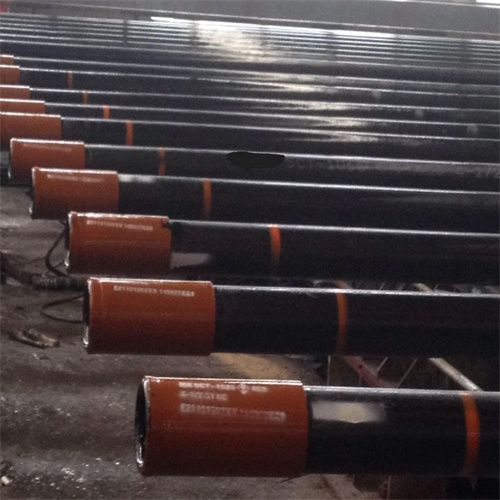
API 5CT R95 CASING Exporters
Another material that is valued for its corrosion resistance in oil and gas operations is corrosion-resistant alloys (CRAs). These alloys are specifically designed to withstand aggressive environments and offer superior resistance to corrosion compared to conventional steel materials. CRAs are often used in offshore drilling operations and in wells where the risk of corrosion is high, providing long-term protection against degradation and failure.
In addition to stainless steel and CRAs, other materials such as Carbon steel with protective coatings are also used in oil casing applications to enhance corrosion resistance. These coatings, which can include epoxy, zinc, or polymer-based materials, act as a barrier between the casing material and corrosive elements, extending the lifespan of the casing and reducing the risk of corrosion-related failures.
When evaluating the impact of corrosion resistance on the longevity of oil casing materials, it is essential to consider the specific operating conditions and environmental factors that the casing will be exposed to. Factors such as temperature, pressure, fluid composition, and presence of corrosive agents can all influence the rate of corrosion and the effectiveness of corrosion protection measures.
Proper material selection, surface treatments, and Maintenance practices are critical in ensuring the long-term performance of oil casing materials in corrosive environments. Regular inspections, monitoring of corrosion rates, and timely Repairs or replacements can help mitigate the effects of corrosion and extend the service life of Oil Wells.
In conclusion, the impact of corrosion resistance on the longevity of oil casing materials cannot be overstated. By choosing materials with high corrosion resistance, implementing protective measures, and adopting proactive maintenance strategies, operators can enhance the durability and reliability of oil and gas wells, ultimately improving operational efficiency and reducing downtime.