তেল আবরণ শিল্পের উপর সরকারী নীতির প্রভাব
তেল আবরণ প্রস্তুতকারকদের জন্য ট্যাক্স ইনসেনটিভ
 তেল আবরণ শিল্প নীতিতে ভবিষ্যতের প্রবণতা
তেল আবরণ শিল্প তেল ও গ্যাস সম্পদ আহরণ ও পরিবহনে গুরুত্বপূর্ণ ভূমিকা পালন করে। প্রযুক্তির অগ্রগতি এবং পরিবেশগত উদ্বেগ বাড়ার সাথে সাথে, এই শিল্পকে ঘিরে নীতি এবং কর প্রণোদনাগুলি নতুন চ্যালেঞ্জ এবং সুযোগগুলি মোকাবেলার জন্য বিকশিত হচ্ছে। বিশ্বজুড়ে সরকারগুলি ক্রমবর্ধমানভাবে নীতি তৈরির উপর মনোযোগ নিবদ্ধ করছে যা টেকসই অনুশীলনকে উন্নীত করার পাশাপাশি তেল আবরণ শিল্পের বৃদ্ধিকে সমর্থন করে। কার্বন নির্গমন হ্রাস এবং জলবায়ু পরিবর্তনের বিরুদ্ধে লড়াইয়ের দিকে বিশ্বব্যাপী চাপের সাথে, সরকারগুলি এমন প্রবিধানগুলি বাস্তবায়ন করছে যা তেল আবরণ ক্রিয়াকলাপে পরিবেশ বান্ধব উপকরণ এবং অনুশীলনের ব্যবহারকে উত্সাহিত করে৷ স্থায়িত্বের দিকে এই পরিবর্তন শুধুমাত্র পরিবেশগত উদ্বেগের কারণে নয় বরং আন্তর্জাতিক চুক্তি এবং মান মেনে চলার প্রয়োজনীয়তার দ্বারাও পরিচালিত হয়। এই সেক্টরে গবেষণা ও উন্নয়নের জন্য কর প্রণোদনা এবং ভর্তুকি প্রদানের মাধ্যমে, নীতিনির্ধারকদের লক্ষ্য হল অত্যাধুনিক প্রযুক্তির বিকাশকে উৎসাহিত করা যা দক্ষতা, নিরাপত্তা এবং পরিবেশগত কর্মক্ষমতা উন্নত করতে পারে। এই প্রণোদনাগুলি কোম্পানিগুলিকে গবেষণা এবং উদ্ভাবনে বিনিয়োগ করতে উত্সাহিত করে, যা শিল্প এবং পরিবেশ উভয়ের জন্যই উপকারী নতুন সমাধান এবং অনুশীলন তৈরির দিকে পরিচালিত করে৷ শিল্প ন্যায্য প্রতিযোগিতার নীতি ও প্রবিধান বাস্তবায়নের মাধ্যমে, নীতিনির্ধারকরা একচেটিয়া রোধ করতে এবং সুস্থ বাজার প্রতিযোগিতাকে উন্নীত করতে চান। এই পদ্ধতিটি শুধুমাত্র প্রতিযোগিতামূলক মূল্য এবং গুণমান নিশ্চিত করার মাধ্যমে ভোক্তাদের উপকৃত করে না বরং কোম্পানিগুলিকে বাজারে এগিয়ে থাকার জন্য উৎকর্ষ এবং উদ্ভাবনের জন্য প্রচেষ্টা করতে উৎসাহিত করে। সরকারগুলি এমন প্রবিধান প্রবর্তন করছে যেগুলির জন্য সংস্থাগুলিকে তাদের ক্রিয়াকলাপ সম্পর্কে তথ্য প্রকাশ করতে হবে, যার মধ্যে পরিবেশগত প্রভাব মূল্যায়ন এবং সুরক্ষা রেকর্ড রয়েছে৷ স্বচ্ছতা বৃদ্ধির মাধ্যমে, নীতিনির্ধারকদের লক্ষ্য কোম্পানিগুলিকে তাদের ক্রিয়াকলাপের জন্য দায়বদ্ধ রাখা এবং নিশ্চিত করা যে তারা একটি দায়িত্বশীল এবং টেকসই পদ্ধতিতে কাজ করে৷ সরকারগুলি টেকসই অনুশীলনগুলি গ্রহণ করে, গবেষণা এবং উন্নয়নে বিনিয়োগ করে এবং স্থানীয় অর্থনীতিতে চাকরি তৈরি করে এমন কোম্পানিগুলিকে ট্যাক্স বিরতি এবং ক্রেডিট অফার করছে। এই প্রণোদনাগুলি শুধুমাত্র কোম্পানিগুলিকে তাদের করের বোঝা কমিয়ে লাভবান করে না বরং শিল্পের সামগ্রিক বৃদ্ধি এবং বিকাশে অবদান রাখে। স্বচ্ছতা, এবং ট্যাক্স ইনসেনটিভ। এই মূল নীতিগুলির সাথে নীতিগুলি সারিবদ্ধ করে, সরকারগুলি একটি নিয়ন্ত্রক পরিবেশ তৈরি করার লক্ষ্য রাখে যা শিল্পের বৃদ্ধি এবং বিকাশকে সমর্থন করে এবং পরিবেশগত উদ্বেগগুলিকে মোকাবেলা করে এবং সামাজিক দায়বদ্ধতার প্রচার করে৷ তেল আবরণ শিল্পের বিকাশ অব্যাহত থাকায়, নীতিনির্ধারকরা এর ভবিষ্যৎ দিকনির্দেশনা গঠনে এবং এর দীর্ঘমেয়াদী স্থায়িত্ব নিশ্চিত করতে গুরুত্বপূর্ণ ভূমিকা পালন করবে।
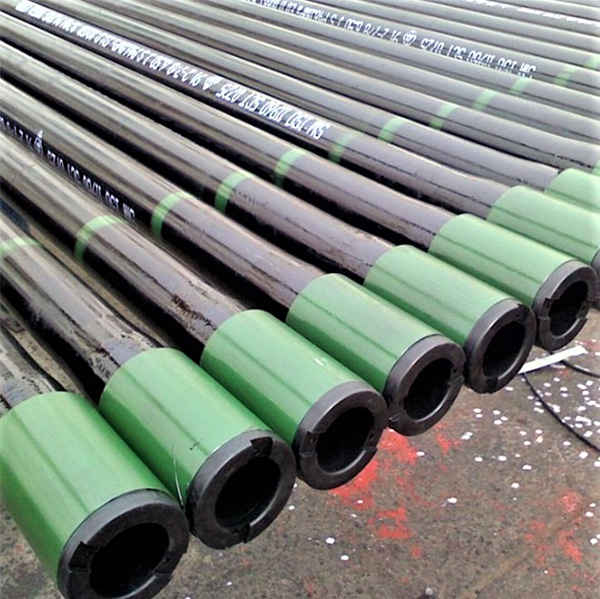
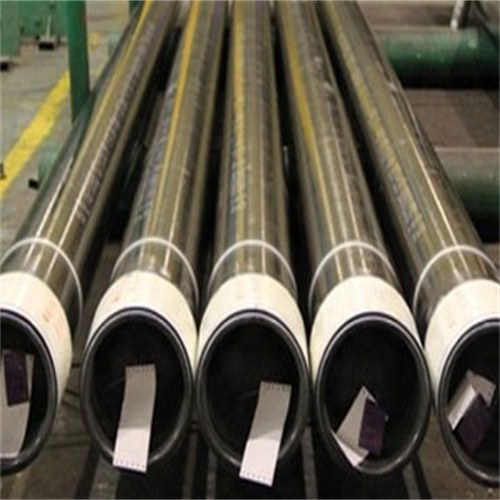
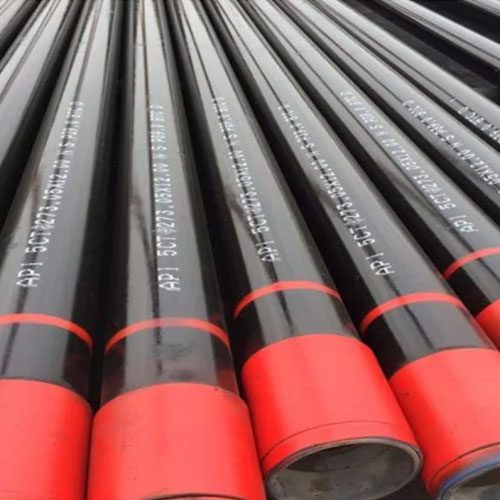
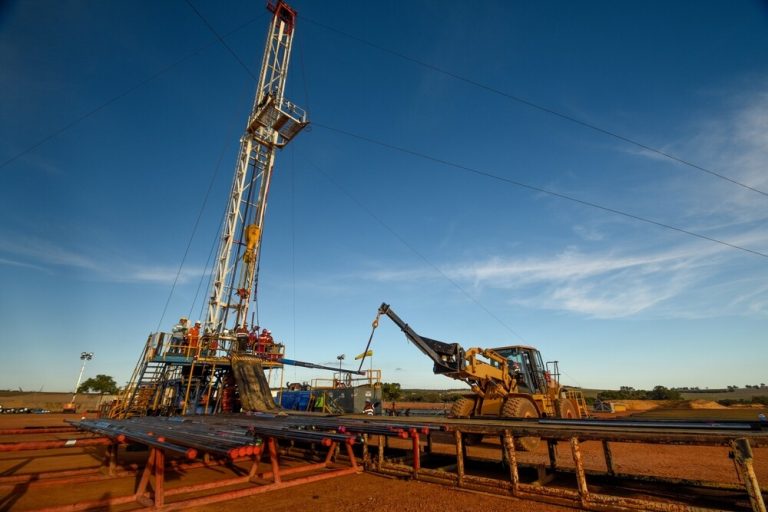
The Oil Casing industry plays a crucial role in the extraction and transportation of Oil and Gas resources. As a key component in drilling operations, oil casings provide structural support and prevent well collapse, ensuring the efficiency and safety of oil extraction processes. Given the significance of this industry, governments often introduce policies and tax incentives to support and incentivize oil casing Manufacturers.
Tax incentives for oil casing Manufacturers are designed to promote growth and innovation within the industry. By offering tax breaks or credits, governments aim to reduce the financial burden on manufacturers, encouraging them to invest in research and development, upgrade their equipment, and expand their operations. These incentives not only benefit individual Companies but also contribute to the overall competitiveness and sustainability of the oil casing sector.
One common tax incentive for oil casing manufacturers is the investment tax credit. This credit allows manufacturers to deduct a percentage of their qualified investment costs from their tax liability, effectively lowering their overall tax burden. By incentivizing c APItal investments, governments stimulate technological advancements and productivity improvements in the industry, leading to higher-quality products and increased efficiency in oil drilling operations.
In addition to investment tax credits, governments may also offer accelerated depreciation schedules for oil casing manufacturers. This policy allows companies to write off the cost of their equipment and machinery at a faster rate than standard depreciation schedules. By enabling manufacturers to recoup their investment costs more quickly, accelerated depreciation encourages them to modernize their facilities and adopt state-of-the-art technologies, enhancing the overall competitiveness of the industry.
Furthermore, some governments provide tax incentives specifically tailored to promote environmentally friendly practices in oil casing manufacturing. These incentives may include tax credits for using sustainable Materials, implementing energy-efficient processes, or reducing carbon emissions. By rewarding eco-friendly initiatives, governments encourage manufacturers to adopt greener practices, reducing their environmental impact and contributing to a more sustainable energy sector.
Tax incentives for oil casing manufacturers not only support the growth and innovation of individual companies but also have broader economic benefits. By fostering a competitive and dynamic industry, these incentives create job opportunities, attract investment, and stimulate economic growth in regions with a strong presence of oil casing manufacturers. Moreover, by incentivizing technological advancements and sustainability practices, governments help ensure the long-term viability of the oil casing industry in a rapidly evolving energy landscape.
In conclusion, tax incentives play a vital role in shaping the growth and development of the oil casing industry. By providing financial support and encouraging innovation, governments help oil casing manufacturers stay competitive, drive technological progress, and contribute to a more sustainable energy sector. As the demand for oil and gas contiNues to rise, tax incentives will remain a key tool in promoting the efficiency, safety, and sustainability of oil drilling operations worldwide.
Future Trends in Oil Casing Industry Policy
The oil casing industry plays a crucial role in the extraction and transportation of oil and gas resources. As technology advances and environmental concerns grow, the policies and tax incentives surrounding this industry are evolving to meet new challenges and opportunities. Governments around the world are increasingly focusing on creating policies that promote sustainable practices while also supporting the growth of the oil casing industry.
One of the key trends in oil casing industry policy is the emphasis on environmental sustainability. With the global push towards reducing carbon emissions and combating climate change, governments are implementing regulations that encourage the use of eco-friendly materials and practices in oil casing operations. This shift towards sustainability is not only driven by environmental concerns but also by the need to comply with international agreements and standards.
In addition to environmental considerations, governments are also looking to incentivize innovation and technological advancement in the oil casing industry. By offering tax incentives and subsidies for research and development in this sector, policyMakers aim to foster the development of cutting-edge technologies that can improve efficiency, safety, and environmental performance. These incentives encourage companies to invest in research and innovation, leading to the creation of new solutions and practices that benefit both the industry and the environment.
Furthermore, governments are increasingly focusing on creating a level playing field for companies operating in the oil casing industry. By implementing fair competition policies and regulations, policymakers seek to prevent monopolies and promote healthy market competition. This approach not only benefits consumers by ensuring competitive Prices and quality but also encourages companies to strive for excellence and innovation to stay ahead in the market.
Steel casing SupplierAnother important trend in oil casing industry policy is the promotion of transparency and accountability. Governments are introducing regulations that require companies to disclose information about their operations, including environmental impact assessments and safety records. By increasing transparency, policymakers aim to hold companies accountable for their actions and ensure that they operate in a responsible and sustainable manner.
Moreover, tax incentives play a significant role in shaping the future of the oil casing industry. Governments are offering tax breaks and credits to companies that adopt sustainable practices, invest in research and development, and create jobs in the local economy. These incentives not only benefit companies by reducing their tax burden but also contribute to the overall growth and development of the industry.
In conclusion, the future trends in oil casing industry policy are characterized by a focus on sustainability, innovation, fair competition, transparency, and tax incentives. By aligning policies with these key principles, governments aim to create a regulatory environment that supports the growth and development of the industry while also addressing environmental concerns and promoting social responsibility. As the oil casing industry continues to evolve, policymakers will play a crucial role in shaping its future direction and ensuring its long-term sustainability.