ব্লগ বিষয়: তেল আবরণ প্রযুক্তি পরিবেশ গবেষণায় চ্যালেঞ্জ এবং সুযোগ বিশ্লেষণ করা
কলাকার টিউব চাইনিজ সেরা পাইকারি
শিল্প স্টেকহোল্ডারদের মধ্যে সহযোগিতা এবং জ্ঞান ভাগাভাগিও তেলের আবরণ প্রযুক্তিতে অগ্রগতির মূল চালক। অপারেটর, পরিষেবা প্রদানকারী এবং গবেষণা প্রতিষ্ঠানের মধ্যে অংশীদারিত্ব সর্বোত্তম অনুশীলন, প্রযুক্তিগত অগ্রগতি এবং শেখা পাঠের আদান-প্রদান সহজতর করে। একসাথে কাজ করার মাধ্যমে, শিল্পটি সম্মিলিতভাবে চ্যালেঞ্জ মোকাবেলা করতে পারে এবং ক্রমাগত উন্নতির জন্য সুযোগগুলিকে পুঁজি করে নিতে পারে। গবেষণা ও উন্নয়নে বিনিয়োগ করে, উদ্ভাবনকে আলিঙ্গন করে এবং সহযোগিতা বৃদ্ধি করে, স্টেকহোল্ডাররা প্রযুক্তিগত প্রতিবন্ধকতা কাটিয়ে উঠতে পারে, অপারেশনাল কর্মক্ষমতা বাড়াতে পারে এবং ভবিষ্যতের জন্য তেল ও গ্যাস উৎপাদনের স্থায়িত্ব নিশ্চিত করতে পারে।
Corrosion is a pervasive issue in the Oil Casing environment, driven by the presence of corrosive elements in the well fluids. Traditional casing Materials are susceptible to corrosion over time, leading to structural degradation and potential failures. Developing corrosion-resistant materials and coatings is a key area of research to enhance the durability of oil casings and prolong the life of wells.
Another critical aspect of oil casing technology is well integrity management. Maintaining the integrity of Well Casings is essential for preventing environmental contamination and ensuring operational safety. Detecting and Repairing casing defects, such as leaks or cracks, is a complex process that requires advanced inspection techniques and monitoring systems.
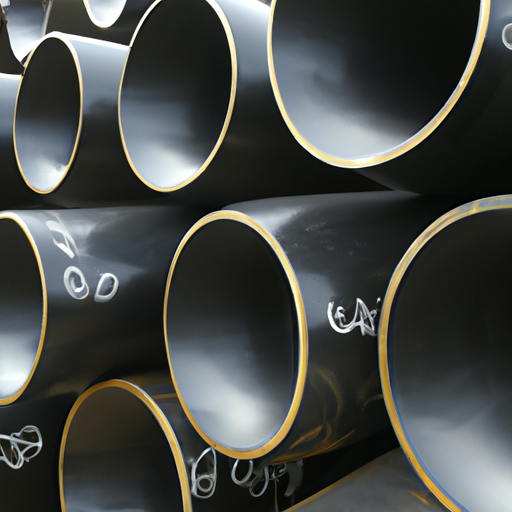
In addition to challenges, the evolving landscape of oil casing technology presents opportunities for innovation and improvement. Advancements in material science and manufacturing technologies have enabled the development of high-performance casing materials with enhanced mechanical properties and Corrosion resistance. These innovative materials offer the potential to extend the operational life of wells and improve overall efficiency.
Furthermore, digitalization and data analytics are transforming the way oil casing integrity is monitored and managed. Real-time monitoring systems and predictive analytics tools allow operators to detect potential issues early, optimize Maintenance schedules, and improve decision-making processes. Leveraging data-driven insights can enhance operational efficiency and reduce downtime, ultimately leading to cost savings.
Collaboration and knowledge sharing among industry stakeholders are also key drivers of progress in oil casing technology. Partnerships between operators, service providers, and research institutions facilitate the exchange of best practices, technological advancements, and lessons learned. By working together, the industry can collectively address challenges and c APItalize on opportunities to drive continuous improvement.
In conclusion, the oil casing technology environment is a dynamic and complex domain that presents both challenges and opportunities for the industry. By investing in research and development, embracing innovation, and fostering collaboration, stakeholders can overcome technical hurdles, enhance operational performance, and ensure the sustainability of Oil and Gas production for the future.