তেল আবরণের ওভারভিউ: সংজ্ঞা এবং গুরুত্ব
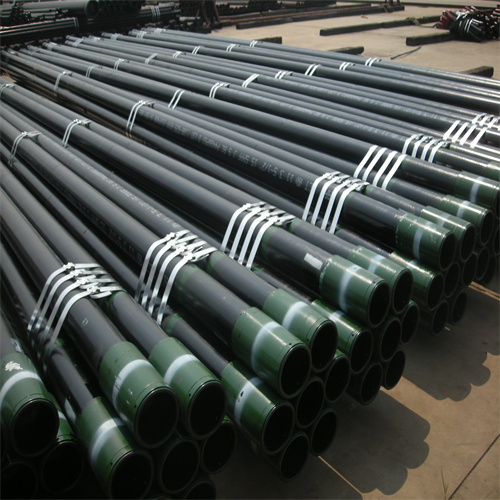
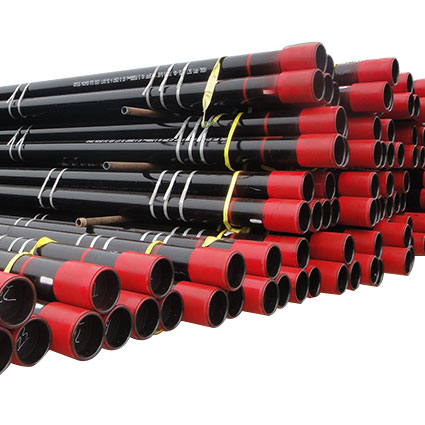
API 5ct Q125 কেসিং এক্সপোর্টার
 এছাড়াও, তেল আবরণের গুরুত্ব তাৎক্ষণিক কর্মক্ষম সুবিধার বাইরে প্রসারিত। এমন এক যুগে যেখানে পরিবেশগত উদ্বেগ সর্বাগ্রে, তেল আবরণ সিস্টেমের অখণ্ডতা ফুটো এবং ছড়িয়ে পড়া প্রতিরোধের জন্য অত্যন্ত গুরুত্বপূর্ণ যা বাস্তুতন্ত্র এবং সম্প্রদায়ের উপর ধ্বংসাত্মক প্রভাব ফেলতে পারে। নিরাপত্তা এবং পরিবেশগত প্রোটোকলের সাথে সম্মতি নিশ্চিত করতে নিয়ন্ত্রক সংস্থাগুলি কেসিং ডিজাইন এবং ইনস্টলেশনের উপর কঠোর মান আরোপ করে। এই তত্ত্বাবধান শুধুমাত্র প্রাকৃতিক সম্পদ রক্ষা করে না বরং তেল ও গ্যাস শিল্পের প্রতি জনগণের আস্থাও বৃদ্ধি করে। এর নকশা এবং বাস্তবায়ন ভূতাত্ত্বিক অবস্থা এবং প্রকৌশল নীতিগুলির পুঙ্খানুপুঙ্খ বোঝার দ্বারা পরিচালিত হয়, নিশ্চিত করে যে কূপগুলি নিরাপদ, দক্ষ এবং পরিবেশগতভাবে দায়ী। শিল্পের বিকাশ অব্যাহত থাকায়, কেসিং প্রযুক্তি এবং উপকরণের অগ্রগতি সম্ভবত আধুনিক তেল উৎপাদনের চ্যালেঞ্জ মোকাবেলায় একটি গুরুত্বপূর্ণ ভূমিকা পালন করবে, যা শক্তি সেক্টরে এই গুরুত্বপূর্ণ উপাদানটির তাত্পর্যকে আরও জোরদার করবে।
The Materials used in Oil Casing are selected based on the specific conditions of the drilling environment. Steel is the most common material due to its strength and durability, but variations such as corrosion-resistant alloys may be employed in environments where chemical exposure is a concern. The design and specifications of oil casing must also account for factors such as temperature, pressure, and the presence of corrosive substances, which can significantly impact the longevity and performance of the casing. As such, engineers and geologists work closely together to determine the most appropriate casing parameters for each unique drilling project.
In addition to its structural role, oil casing is integral to the overall efficiency of oil production. By providing a controlled environment for the extraction process, casing minimizes the risk of blowouts and other hazardous incidents that can occur during drilling. Furthermore, the presence of casing allows for the safe injection of fluids, such as water or Gas, which can enhance oil recovery through techniques like water flooding or gas injection. These methods are essential for maximizing the yield from oil reservoirs, particularly as many fields mature and natural pressure declines.
Moreover, the importance of oil casing extends beyond the immediate operational benefits. In an era where environmental concerns are paramount, the integrity of oil casing systems is crucial for preventing leaks and spills that could have devastating effects on ecosystems and communities. Regulatory bodies impose stringent standards on casing design and installation to ensure compliance with safety and environmental protocols. This oversight not only protects natural resources but also fosters public trust in the Oil and Gas industry.
In conclusion, oil casing is a fundamental aspect of the oil and gas extraction process, providing essential structural support and environmental protection. Its design and implementation are guided by a thorough understanding of geological conditions and engineering principles, ensuring that wells are safe, efficient, and environmentally responsible. As the industry contiNues to evolve, advancements in casing technology and materials will likely play a pivotal role in addressing the challenges of modern oil production, further underscoring the significance of this critical component in the energy sector.