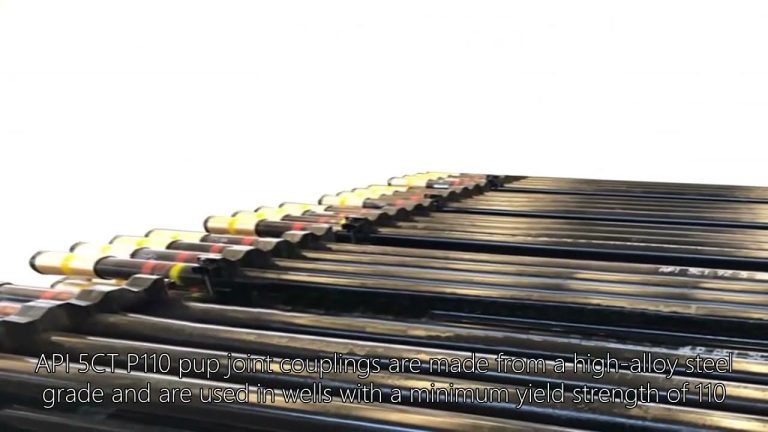
**সুদের হার এবং বিনিয়োগের উপর তাদের প্রভাব**
**মুদ্রাস্ফীতি প্রত্যাশা এবং পণ্য মূল্যের গতিশীলতা**
মুদ্রাস্ফীতি প্রত্যাশা তেল আবরণ বাজার সহ পণ্য মূল্যের গতিশীলতা গঠনে একটি গুরুত্বপূর্ণ ভূমিকা পালন করে। মুদ্রাস্ফীতি বাড়ার সাথে সাথে মুদ্রার ক্রয় ক্ষমতা হ্রাস পায়, যা বিনিয়োগকারীদেরকে পণ্যের মতো বাস্তব সম্পদে আশ্রয় নিতে প্ররোচিত করে। বিনিয়োগ আচরণের এই পরিবর্তনের ফলে তেল এবং এর সাথে সম্পর্কিত পণ্যগুলির চাহিদা বৃদ্ধি পেতে পারে, যার মধ্যে তেলের আবরণও রয়েছে, যা অপরিশোধিত তেল নিষ্কাশন এবং পরিবহনের জন্য অপরিহার্য। ফলস্বরূপ, যখন মুদ্রাস্ফীতির প্রত্যাশা বেশি হয়, তখন তেলের খাপের দাম সামগ্রিক পণ্য বাজারের সাথে তাল মিলিয়ে বৃদ্ধি পায়, যা প্রকৃত সম্পদের উচ্চ চাহিদাকে প্রতিফলিত করে। যখন বন্ডের ফলন বৃদ্ধি পায়, এটি প্রায়শই ইঙ্গিত দেয় যে বিনিয়োগকারীরা ভবিষ্যতে উচ্চ মুদ্রাস্ফীতির প্রত্যাশা করে। এই প্রত্যাশার ফলে বন্ড বিক্রি বন্ধ হতে পারে, কারণ বিনিয়োগকারীরা তেল সহ পণ্যে তাদের মূলধন স্থানান্তর করে। তেলের বাজারে মূলধনের প্রবাহের ফলে দাম বাড়তে পারে, যার ফলে তেলের ক্যাসিংয়ের খরচ প্রভাবিত হয়। বিপরীতভাবে, যখন বন্ডের ফলন হ্রাস পায়, তখন এটি ইঙ্গিত দিতে পারে যে মুদ্রাস্ফীতির প্রত্যাশা হ্রাস পেয়েছে, যা তেল এবং তেলের ক্যাসিং সহ পণ্যের দামের সম্ভাব্য হ্রাসের দিকে পরিচালিত করে। এইভাবে, বন্ড বাজারের অবস্থা এবং মুদ্রাস্ফীতির প্রত্যাশার মধ্যে পারস্পরিক সম্পর্ক হল তেলের ক্যাসিংয়ের মূল্য নির্ধারণের প্রবণতাকে প্রভাবিত করার একটি গুরুত্বপূর্ণ কারণ। অর্থনৈতিক প্রবৃদ্ধি সাধারণত বর্ধিত শক্তির চাহিদার সাথে সম্পর্কযুক্ত, যার ফলে তেল এবং সংশ্লিষ্ট পণ্যের দাম বেড়ে যায়। যখন অর্থনীতি সম্প্রসারিত হয়, শিল্পগুলির জন্য আরও শক্তির প্রয়োজন হয়, যা অপরিশোধিত তেলের উচ্চ খরচের দিকে পরিচালিত করে। এই বর্ধিত চাহিদার ফলে তেলের ক্যাসিংয়ের উচ্চ মূল্য হতে পারে, কারণ উত্পাদকরা তেল উত্তোলন এবং পরিবহনের সাথে যুক্ত ক্রমবর্ধমান ব্যয়কে পুঁজি করতে চায়। বিপরীতভাবে, অর্থনৈতিক সংকোচনের সময়কালে, তেলের চাহিদা কমে যায়, যার ফলে অপরিশোধিত তেল এবং তেলের ক্যাসিং উভয়ের দাম কম হয়। অতএব, অর্থনীতির স্বাস্থ্য, যেমন বিভিন্ন অর্থনৈতিক সূচকে প্রতিফলিত হয়, এটি একটি গুরুত্বপূর্ণ কারণ যা তেলের আবরণ বাজারে মূল্যের প্রবণতাকে প্রভাবিত করে। তেল উৎপাদনকারী অঞ্চলে সংঘাত, নিষেধাজ্ঞা বা প্রাকৃতিক দুর্যোগের মতো ঘটনা সরবরাহের ঘাটতি, দাম বাড়াতে পারে। সরবরাহ সীমিত হলে, তেল এবং এর সাথে সম্পর্কিত পণ্যের দাম, তেলের আবরণ সহ, তীব্রভাবে বৃদ্ধি পায়। বিনিয়োগকারীরা এই ভূ-রাজনৈতিক উন্নয়ন ঘনিষ্ঠভাবে পর্যবেক্ষণ করে, কারণ তারা বাজারে অস্থিরতা তৈরি করতে পারে। এই ধরনের পরিস্থিতিতে, মুদ্রাস্ফীতির প্রত্যাশাও বাড়তে পারে, যা তেলের আবরণের মূল্য বৃদ্ধিকে আরও বাড়িয়ে দেয়। যেহেতু তেলের দাম সাধারণত মার্কিন ডলারে হয়, তাই ডলারের মূল্যের কোনো উল্লেখযোগ্য পরিবর্তন পণ্যের দামকে প্রভাবিত করতে পারে। একটি দুর্বল ডলার বিদেশী ক্রেতাদের জন্য তেলকে সস্তা করে, সম্ভাব্য চাহিদা বাড়ায় এবং দাম বাড়ায়। এই দৃশ্যকল্প তেলের ক্যাসিংয়ের জন্য উচ্চ খরচের দিকে নিয়ে যেতে পারে, কারণ প্রযোজকরা মুদ্রার গতিশীলতার পরিবর্তনের প্রতিক্রিয়া হিসাবে তাদের মূল্য নির্ধারণের কৌশলগুলি সামঞ্জস্য করে। বিপরীতভাবে, একটি শক্তিশালী ডলার চাহিদাকে কমিয়ে দিতে পারে, যার ফলে তেল এবং তেলের ক্যাসিংয়ের দাম কম হতে পারে। তেল আবরণ বাজার. এই গতিশীলতা বোঝা শিল্পের স্টেকহোল্ডারদের জন্য অপরিহার্য, কারণ তারা সদা বিকশিত পণ্য বাজার দ্বারা উপস্থাপিত চ্যালেঞ্জ এবং সুযোগগুলি নেভিগেট করে। এই বিষয়গুলি ঘনিষ্ঠভাবে পর্যবেক্ষণ করে, বিনিয়োগকারী এবং প্রযোজকরা বাজারের প্রবণতা এবং অর্থনৈতিক বাস্তবতার সাথে সামঞ্জস্যপূর্ণ সিদ্ধান্ত নিতে পারে।
**Inflation Expectations and Commodity Pricing Dynamics**
Inflation expectations play a crucial role in sh APIng the dynamics of commodity pricing, including the Oil Casing market. As inflation rises, the purchasing power of currency diminishes, prompting investors to seek refuge in tangible assets such as commodities. This shift in investment behavior can lead to increased demand for oil and its associated products, including oil casings, which are essential for the extraction and transportation of crude oil. Consequently, when inflation expectations are high, the Prices of oil casings tend to rise in tandem with the overall commodity market, reflecting the heightened demand for physical assets.
Moreover, the bond market serves as a barometer for inflation expectations. When bond yields increase, it often signals that investors anticipate higher inflation in the future. This expectation can lead to a sell-off in bonds, as investors move their capital into commodities, including oil. The resulting influx of capital into the oil market can drive up prices, thereby impacting the cost of oil casings. Conversely, when bond yields decline, it may indicate that inflation expectations are subdued, leading to a potential decrease in commodity prices, including oil and oil casings. Thus, the interplay between bond market conditions and inflation expectations is a critical factor influencing the pricing trends of oil casings.
In addition to inflation expectations, the overall economic environment significantly affects commodity pricing dynamics. Economic growth typically correlates with increased energy demand, which in turn drives up the prices of oil and related products. When the economy is expanding, industries require more energy, leading to higher consumption of crude oil. This increased demand can result in higher prices for oil casings, as producers seek to capitalize on the rising costs associated with oil extraction and transportation. Conversely, during periods of economic contraction, demand for oil diminishes, leading to lower prices for both crude oil and oil casings. Therefore, the health of the economy, as reflected in various economic indicators, is a vital factor that influences the pricing trends in the oil casing market.
Furthermore, geopolitical factors and supply chain disruptions can also impact the oil casing market. Events such as conflicts in oil-producing regions, sanctions, or natural disasters can lead to supply shortages, driving up prices. When supply is constrained, the cost of oil and its associated products, including oil casings, tends to rise sharply. Investors closely monitor these geopolitical developments, as they can create volatility in the market. In such scenarios, inflation expectations may also rise, further exacerbating the price increases for oil casings.
Additionally, currency fluctuations can influence the oil casing market. Since oil is typically priced in U.S. dollars, any significant changes in the value of the dollar can affect commodity prices. A weaker dollar makes oil cheaper for foreign buyers, potentially increasing demand and driving up prices. This scenario can lead to higher costs for oil casings, as producers adjust their pricing strategies in response to changing currency dynamics. Conversely, a stronger dollar may dampen demand, leading to lower prices for oil and oil casings.
In conclusion, the interplay of inflation expectations, economic conditions, geopolitical factors, and currency fluctuations creates a complex landscape that significantly influences the pricing trends of the oil casing market. Understanding these dynamics is essential for stakeholders in the industry, as they navigate the challenges and opportunities presented by the ever-evolving commodity market. By closely monitoring these factors, investors and producers can make informed decisions that align with market trends and economic realities.