প্রসেস পাইপিং উপকরণের ওভারভিউ
প্রসেস পাইপিং উপকরণগুলি বিভিন্ন শিল্পে একটি গুরুত্বপূর্ণ ভূমিকা পালন করে, একটি সুবিধার মধ্যে তরল এবং গ্যাস পরিবহনের জন্য পরিকাঠামো প্রদান করে। শিল্প ব্যবস্থার নিরাপদ এবং দক্ষ অপারেশন নিশ্চিত করতে প্রক্রিয়া পাইপিংয়ের জন্য সঠিক উপকরণ নির্বাচন অপরিহার্য। এই নিবন্ধে, আমরা প্রক্রিয়া পাইপিং উপকরণগুলির একটি ওভারভিউ প্রদান করব, ব্যবহৃত সাধারণ প্রকারগুলি, তাদের বৈশিষ্ট্যগুলি এবং একটি নির্দিষ্ট অ্যাপ্লিকেশনের জন্য উপযুক্ত উপাদান নির্বাচন করার সময় বিবেচনা করার বিষয়গুলি নিয়ে আলোচনা করব৷
https://youtube.com/watch?v=J%3Ca+href%3D%22
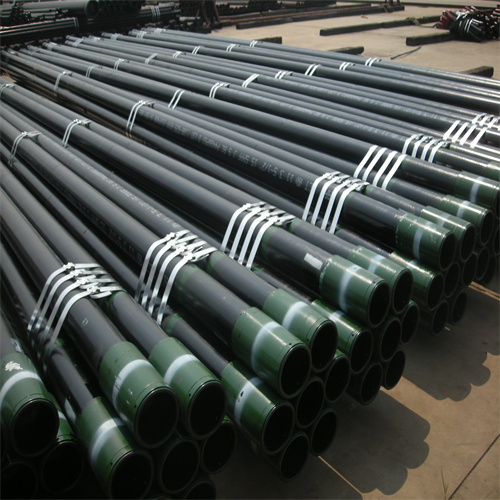
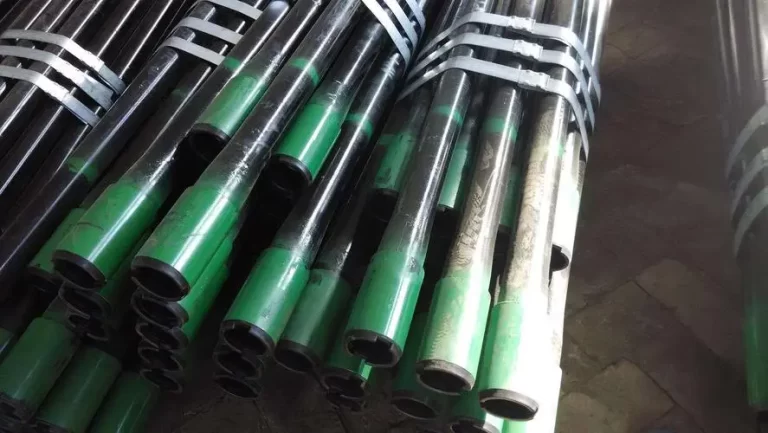
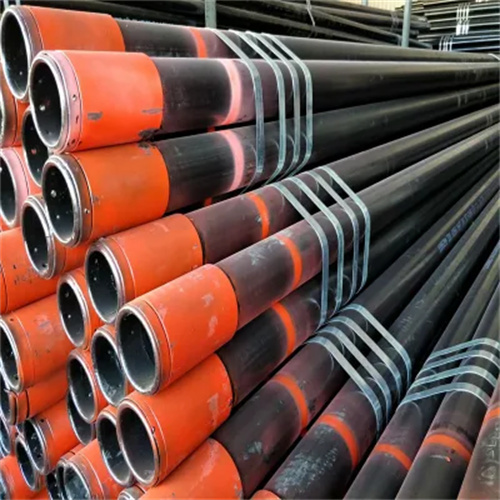
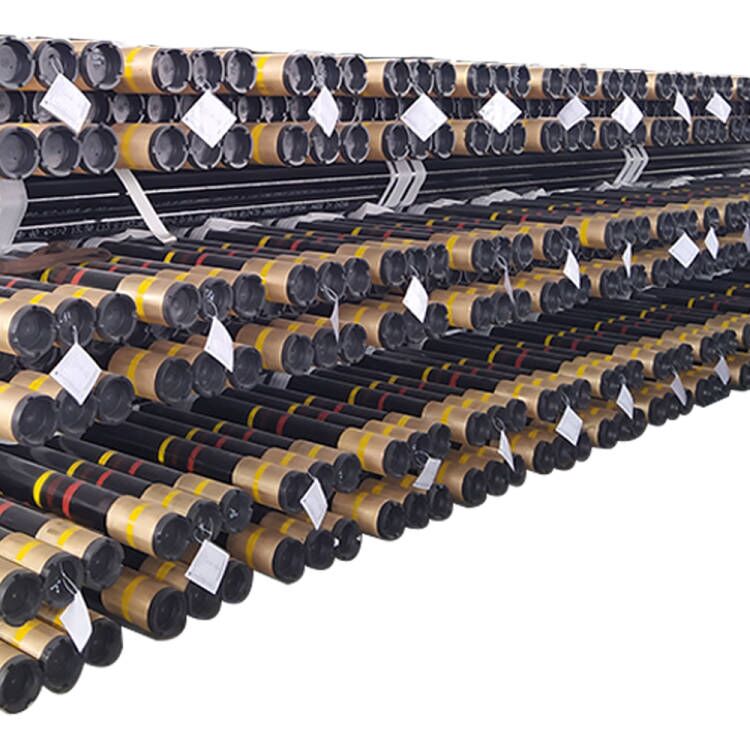
API 5ct J55 কেসিং সেরা চীনা রপ্তানিকারকদের
প্রসেস পাইপিংয়ের জন্য একটি উপাদান নির্বাচন করার সময়, বেশ কয়েকটি বিষয় বিবেচনা করা আবশ্যক। এর মধ্যে রয়েছে সিস্টেমের অপারেটিং তাপমাত্রা এবং চাপ, পরিবহন করা তরলটির ক্ষয়কারীতা, প্রয়োজনীয় শক্তি এবং স্থায়িত্ব, সেইসাথে খরচ বিবেচনা। একটি নির্দিষ্ট অ্যাপ্লিকেশনের জন্য সবচেয়ে উপযুক্ত উপাদান নির্ধারণের জন্য উপকরণ প্রকৌশলী এবং পাইপিং বিশেষজ্ঞদের সাথে পরামর্শ করা অপরিহার্য। উপাদানের পছন্দ অপারেটিং অবস্থা, জারা প্রতিরোধের প্রয়োজনীয়তা এবং বাজেটের সীমাবদ্ধতা সহ বিভিন্ন কারণের উপর নির্ভর করে। প্রক্রিয়া পাইপিংয়ের জন্য সঠিক উপাদান নির্বাচন করে, শিল্পগুলি তাদের পাইপিং সিস্টেমের নির্ভরযোগ্যতা এবং দীর্ঘায়ু নিশ্চিত করতে পারে, শেষ পর্যন্ত তাদের অপারেশনের সামগ্রিক সাফল্যে অবদান রাখে।
Stainless Steel is another popular Material for process piping due to its Corrosion resistance and ability to withstand extreme temperatures. Stainless Steel Pipes are often used in industries where hygiene and cleanliness are critical, such as food and pharmaceutical manufacturing. They are also known for their aesthetic appeal and low Maintenance requirements. However, stainless steel Pipes can be more expensive than Carbon steel.
For applications that require even higher corrosion resistance, materials such as duplex stainless steel or nickel alloys may be used. Duplex stainless steel offers a combination of High strength and excellent corrosion resistance, making it suitable for demanding environments like offshore Oil and Gas production. Nickel alloys, on the other hand, are known for their exceptional resistance to a wide range of corrosive substances, including acids and alkalis.
In addition to metal piping materials, non-metallic materials like PVC, CPVC, and fiberglass-reinforced plastic (FRP) are also used in process piping. PVC and CPVC pipes are lightWeight, easy to install, and resistant to corrosion, making them ideal for applications where chemical resistance is essential. FRP pipes are known for their high strength-to-weight ratio and resistance to corrosion, making them suitable for corrosive environments.

When selecting a material for process piping, several factors must be considered. These include the operating temperature and pressure of the system, the corrosiveness of the fluid being transported, the required strength and durability, as well as cost considerations. It is essential to consult with materials engineers and piping specialists to determine the most suitable material for a specific application.
In conclusion, process piping materials play a critical role in the safe and efficient operation of industrial systems. The choice of material depends on various factors, including the operating conditions, corrosion resistance requirements, and budget constraints. By selecting the right material for process piping, industries can ensure the reliability and longevity of their piping systems, ultimately contributing to the overall success of their operations.