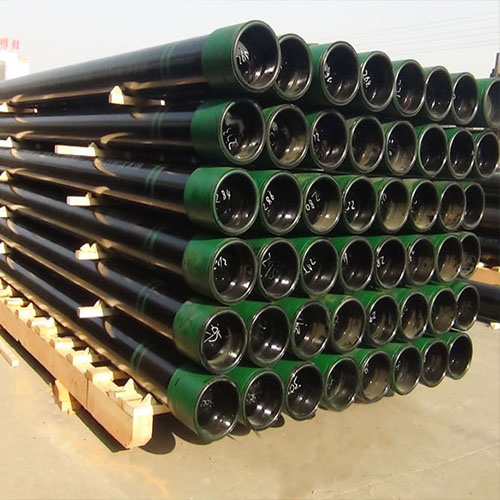
তেল আবরণে উচ্চ-শক্তিযুক্ত ধাতু ব্যবহার করার সুবিধা
তেল অনুসন্ধান এবং নিষ্কাশনের ক্ষেত্রে, তেলের আবরণের জন্য উপকরণের পছন্দ উল্লেখযোগ্য গুরুত্ব রাখে। উপলব্ধ বিভিন্ন বিকল্পগুলির মধ্যে, উচ্চ-শক্তির মিশ্রণগুলি তাদের ব্যতিক্রমী বৈশিষ্ট্য এবং সুবিধার কারণে মূল উপাদান হিসাবে আবির্ভূত হয়। এই সংকর ধাতুগুলি, পৃথিবীর গভীরে কঠোর অবস্থা এবং চরম চাপ সহ্য করার জন্য যত্ন সহকারে তৈরি করা হয়েছে, তেল কূপের অখণ্ডতা এবং দীর্ঘায়ু নিশ্চিত করতে একটি গুরুত্বপূর্ণ ভূমিকা পালন করে। শক্তি, উচ্চতর জারা প্রতিরোধের, এবং বর্ধিত স্থায়িত্ব। সাধারণত ক্রোমিয়াম, মলিবডেনাম এবং নিকেলের মতো উপাদানগুলির সমন্বয়ে গঠিত এই উপাদানগুলি তেলের জলাধারে উপস্থিত অম্লীয় পরিবেশ থেকে ক্ষয়ের বিরুদ্ধে অসাধারণ প্রতিরোধ প্রদর্শন করে। এই প্রতিরোধ কেবল কেসিংয়ের কার্যক্ষম আয়ুষ্কালকে প্রসারিত করে না বরং ঘন ঘন রক্ষণাবেক্ষণ এবং প্রতিস্থাপনের প্রয়োজনীয়তাও কমিয়ে দেয়, যার ফলে সামগ্রিক অপারেশনাল খরচ কমে যায়। পাতলা অথচ শক্তিশালী আবরণ নির্মাণ। এই বৈশিষ্ট্যটি গভীর ড্রিলিং পরিস্থিতিতে বিশেষভাবে সুবিধাজনক যেখানে ব্যবহৃত উপকরণের ওজন এবং আয়তন সরাসরি ড্রিলিং দক্ষতা এবং অপারেশনাল খরচকে প্রভাবিত করে। শক্তির সাথে আপস না করে পাতলা আবরণ ব্যবহার করে, তেল কোম্পানিগুলি ড্রিলিং অপারেশন অপ্টিমাইজ করতে পারে, ওয়েলবোরের ব্যাস বাড়াতে পারে এবং সামগ্রিক উৎপাদন ক্ষমতা বাড়াতে পারে। তাদের দীর্ঘায়ু এবং ক্ষয় প্রতিরোধ ক্ষমতা ফুটো এবং ছড়িয়ে পড়ার ঝুঁকি হ্রাস করে, যার ফলে তেল নিষ্কাশন কার্যক্রমের সাথে যুক্ত পরিবেশগত ঝুঁকি হ্রাস পায়। এই দিকটি শুধুমাত্র নিয়ন্ত্রক সম্মতির সাথে সারিবদ্ধ নয় বরং দায়িত্বশীল সম্পদ ব্যবস্থাপনা এবং পরিবেশগত স্টুয়ার্ডশিপের প্রতি শিল্পের প্রতিশ্রুতিকেও আন্ডারস্কোর করে৷
তেল আবরণের জন্য যৌগিক পদার্থের পরিবেশগত প্রভাব মূল্যায়ন
 পেট্রোলিয়াম প্রকৌশলের ক্ষেত্রে, তেল আবরণের জন্য উপকরণের পছন্দ শুধুমাত্র কর্মক্ষম দক্ষতায় নয়, পরিবেশগত প্রভাবেও গুরুত্বপূর্ণ ভূমিকা পালন করে। ঐতিহ্যগতভাবে, ইস্পাত তার শক্তি এবং স্থায়িত্বের কারণে প্রধান উপাদান হয়েছে, তেল উত্তোলন এবং পরিবহনের কঠোর অবস্থা সহ্য করার জন্য অপরিহার্য। যাইহোক, পরিবেশগত স্থায়িত্ব নিয়ে উদ্বেগ এবং আরও দক্ষ শক্তি নিষ্কাশন কৌশলগুলির জন্য ক্রমবর্ধমান চাহিদা গবেষকদের এবং শিল্প নেতাদের তেল আবরণ অ্যাপ্লিকেশনের জন্য বিকল্প উপকরণ, বিশেষ করে যৌগিক উপকরণগুলি অন্বেষণ করতে প্ররোচিত করেছে। অনন্য বৈশিষ্ট্য এবং সম্ভাব্য পরিবেশগত সুবিধা। কম্পোজিটগুলি সাধারণত পলিমার ম্যাট্রিক্সে এম্বেড করা ফাইবার (যেমন, কাচ, কার্বন) এর মতো উপাদানগুলির সংমিশ্রণ নিয়ে গঠিত। এই নির্মাণটি হালকা, ক্ষয়-প্রতিরোধী, এবং উচ্চ প্রসার্য শক্তির অধিকারী এমন উপকরণ দিতে পারে, যা তাদেরকে তেলের আবরণের জন্য আদর্শ প্রার্থী করে তোলে যেখানে স্থায়িত্ব এবং নির্ভরযোগ্যতা সর্বাপেক্ষা গুরুত্বপূর্ণ। তেল নিষ্কাশন এবং পরিবহনের সাথে যুক্ত কার্বন পদচিহ্ন। স্টিলের তুলনায়, কম্পোজিটগুলি উল্লেখযোগ্য ওজন সঞ্চয় করতে পারে, যা পরিবহন এবং ইনস্টলেশনের সময় কম শক্তি খরচে অনুবাদ করে। অধিকন্তু, তাদের ক্ষয় প্রতিরোধ ক্ষমতা পরিচর্যা জীবনকে দীর্ঘায়িত করতে পারে, কেসিং প্রতিস্থাপনের ফ্রিকোয়েন্সি হ্রাস করতে পারে এবং ফলস্বরূপ, উপাদান বর্জ্য।
তবে, তেল আবরণের জন্য যৌগিক পদার্থের পরিবেশগত প্রভাব মূল্যায়ন চ্যালেঞ্জ ছাড়া নয়। কম্পোজিটগুলির উত্পাদন প্রক্রিয়াগুলিতে প্রায়শই রজন এবং তন্তুগুলির ব্যবহার জড়িত থাকে যার নিজস্ব পরিবেশগত প্রভাব থাকতে পারে, যেমন শক্তি-নিবিড় উত্পাদন বা বিপজ্জনক বর্জ্য পদার্থ তৈরি করা। যৌগিক পদার্থের সামগ্রিক পরিবেশগত পদচিহ্নকে ব্যাপকভাবে মূল্যায়ন করার জন্য যথাযথ জীবনচক্র মূল্যায়ন অত্যন্ত গুরুত্বপূর্ণ। যদিও ইস্পাত তুলনামূলকভাবে সহজে পুনর্ব্যবহৃত করা যায়, কম্পোজিটগুলি পুনর্ব্যবহারযোগ্যতা এবং নিষ্পত্তির ক্ষেত্রে চ্যালেঞ্জ তৈরি করতে পারে। যৌগিক পদার্থের জন্য পুনর্ব্যবহারযোগ্য প্রযুক্তি বিকাশের প্রচেষ্টা চলছে, কিন্তু প্রতিষ্ঠিত ইস্পাত পুনর্ব্যবহারযোগ্য প্রক্রিয়াগুলির তুলনায় এই প্রযুক্তিগুলি এখনও প্রাথমিক অবস্থায় রয়েছে। অ্যাপ্লিকেশন উদাহরণস্বরূপ, ন্যানো প্রযুক্তি উন্নত যান্ত্রিক বৈশিষ্ট্য এবং পরিবেশগত প্রভাব হ্রাস সহ ন্যানোকম্পোজিটগুলির বিকাশকে সক্ষম করেছে। এই উপকরণগুলি তেল উত্তোলন ক্রিয়াকলাপের দক্ষতা এবং স্থায়িত্ব উন্নত করার প্রতিশ্রুতি দেখায়। কম্পোজিটের অনন্য বৈশিষ্ট্যগুলি, যেমন তাদের শক্তি-থেকে-ওজন অনুপাত এবং ক্ষয় প্রতিরোধের দ্বারা, তেল কোম্পানিগুলি কার্যকরী দক্ষতা বাড়াতে সম্ভাব্যভাবে তাদের পরিবেশগত পদচিহ্ন হ্রাস করতে পারে। যৌগিক পদার্থের অনুসন্ধান পেট্রোলিয়াম শিল্পে টেকসই অনুশীলনের দিকে একটি প্রগতিশীল স্থানান্তরকে চিহ্নিত করে। কম্পোজিটগুলির পরিবেশগত প্রভাব মূল্যায়ন বহুমুখী, উত্পাদন প্রক্রিয়া, জীবনচক্রের প্রভাব, এবং জীবনের শেষের পরিস্থিতিগুলির যত্নশীল বিবেচনার প্রয়োজন। চলমান গবেষণা এবং উন্নয়ন প্রচেষ্টার সাথে, যৌগিক উপকরণগুলি তেল আবরণের জন্য একটি কার্যকর, পরিবেশগতভাবে দায়ী বিকল্প হিসাবে প্রতিশ্রুতি রাখে, যা বিশ্বব্যাপী শক্তি উত্তোলন এবং পরিবহনের জন্য আরও টেকসই ভবিষ্যতে অবদান রাখে।
Environmental Impact Assessment of Composite Materials for Oil Casing
In the realm of petroleum engineering, the choice of materials for oil casing plays a crucial role not only in operational efficiency but also in environmental impact. Traditionally, Steel has been the predominant material due to its strength and durability, essential for withstanding the harsh conditions of oil extraction and transportation. However, concerns over environmental sustainability and the increasing demands for more efficient energy extraction techniques have prompted researchers and industry leaders to explore alternative materials, particularly composite materials, for oil casing applications.
Composite materials offer a compelling alternative to conventional steel due to their unique properties and potential environmental benefits. Composites typically consist of a combination of materials such as fibers (e.g., glass, carbon) embedded in a polymer matrix. This Construction can yield materials that are lighter, corrosion-resistant, and possess high tensile strength, making them ideal candidates for oil casing where durability and reliability are paramount.
One of the primary environmental benefits of composite materials lies in their potential to reduce the carbon footprint associated with oil extraction and transportation. Compared to steel, composites can offer significant Weight savings, which translates into lower energy consumption during transportation and installation. Moreover, their Corrosion resistance can prolong service life, reducing the frequency of casing replacement and, consequently, material waste.
However, the environmental impact assessment of composite materials for oil casing is not without challenges. The manufacturing processes of composites often involve the use of resins and fibers that may have their own environmental implications, such as energy-intensive production or the generation of hazardous waste materials. Proper lifecycle assessments are crucial to evaluate the overall environmental footprint of composite materials comprehensively.
Furthermore, the end-of-life considerations of composite materials present another facet of environmental scrutiny. While steel can be recycled relatively easily, composites may pose challenges in terms of recyclability and disposal. Efforts are underway to develop recycling technologies for composite materials, but these technologies are still in their infancy compared to established steel recycling processes.
In recent years, advancements in composite manufacturing techniques and materials science have expanded the possibilities for their use in oil casing applications. For instance, nanotechnology has enabled the development of nanocomposites with enhanced mechanical properties and reduced environmental impact. These materials show promise in improving the efficiency and sustainability of oil extraction operations.
As industries worldwide strive to meet stringent environmental regulations and sustainability targets, the adoption of composite materials for oil casing represents a significant step towards greener energy practices. By leveraging the unique properties of composites, such as their strength-to-weight ratio and corrosion resistance, oil Companies can potentially reduce their environmental footprint while enhancing operational efficiency.
In conclusion, while traditional steel remains a stalwart in oil casing applications, the exploration of composite materials marks a progressive shift towards sustainable practices in the Petroleum Industry. The environmental impact assessment of composites is multifaceted, requiring careful consideration of manufacturing processes, lifecycle impacts, and end-of-life scenarios. With ongoing research and development efforts, composite materials hold promise as a viable, environmentally responsible alternative for oil casing, contributing to a more sustainable future for energy extraction and transportation globally.