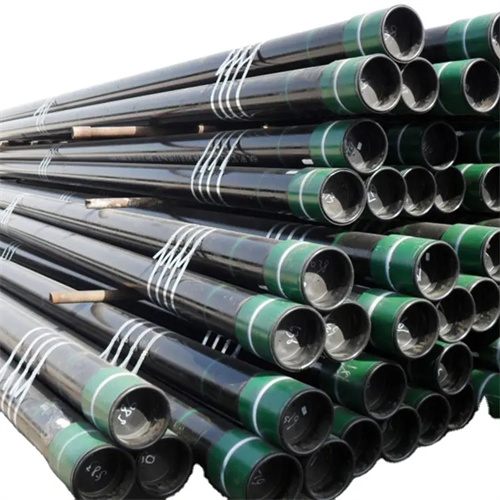
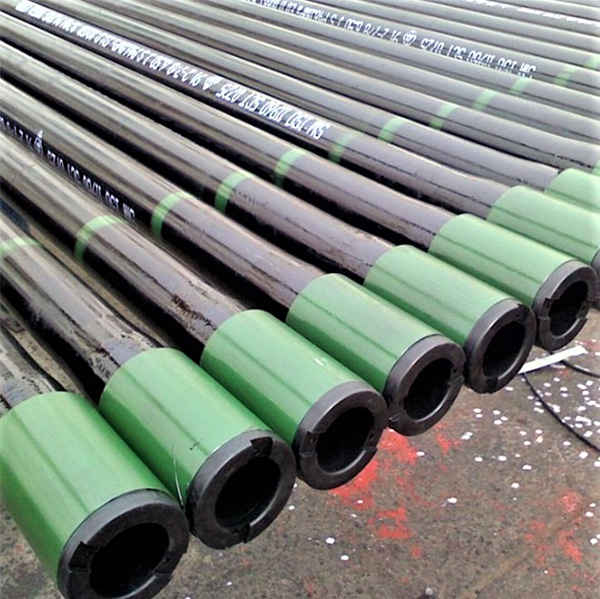
オイルケーシングに高強度合金を使用するメリット
石油の探査と抽出の分野では、オイルケーシングの材料の選択が非常に重要です。利用可能なさまざまなオプションの中でも、高強度合金は、その優れた特性と利点により、極めて重要なコンポーネントとして浮上しています。これらの合金は、地中深くの過酷な条件や極度の圧力に耐えられるように細心の注意を払って設計されており、油井の完全性と寿命を確保する上で重要な役割を果たします。
高強度合金は、主に高張力などの堅牢な機械的特性で好まれています。強度が高く、耐食性に優れ、耐久性が向上します。これらの材料は、通常、クロム、モリブデン、ニッケルなどの元素で構成されており、油層内の酸性環境による腐食に対して顕著な耐性を示します。この抵抗により、ケーシングの運用寿命が延びるだけでなく、頻繁なメンテナンスや交換の必要性が最小限に抑えられ、それによって全体の運用コストが削減されます。
1 km あたりの石油パイプライン建設コスト。さらに、高強度合金の構造的完全性により、より薄くてもより強力なケーシングの構造。この特性は、使用される材料の重量と体積が掘削効率と運用コストに直接影響する深掘削シナリオで特に有利です。強度を損なうことなく、より薄いケーシングを利用することで、石油会社は掘削作業を最適化し、坑井の直径を拡大し、全体的な生産能力を向上させることができます。
高強度合金は、その機械的能力に加えて、石油産業における環境の持続可能性に大きく貢献します。寿命が長く、耐腐食性があるため、漏れや流出のリスクが軽減され、石油採掘活動に伴う環境危険が軽減されます。この側面は、規制遵守と一致しているだけでなく、責任ある資源管理と環境管理に対する業界の取り組みを強調しています。
経済的な観点から見ると、高強度合金への初期投資は従来の材料に比べて高く見えるかもしれません。ただし、ダウンタイムの減少、油井寿命の延長、生産性の向上によって証明されるように、長期的なメリットは初期コストをはるかに上回ります。石油会社は、これらの合金の価値を、運用効率の観点からだけでなく、信頼性が高く耐久性のあるインフラストラクチャを通じて投資を保護するという点でも認識しています。
さらに、冶金学の継続的な研究開発により、高強度合金の特性が改良され続けており、パフォーマンスと持続可能性の観点から達成可能な限界。合金組成と製造技術の革新により、さらなる効率性と環境上の利点が約束され、石油・ガス産業において不可欠な材料としての地位がさらに確固たるものになります。
結論として、オイルケーシングに高強度合金を使用する利点は多面的かつ奥深いものです。堅牢な機械的特性や耐食性から、環境上の利点や経済的利点に至るまで、これらの材料は、効率的かつ持続可能な石油抽出の追求における革新性と信頼性を体現しています。世界的なエネルギー需要が増大し、技術の進歩により業界の状況が再構築される中、高強度合金は、油井の建設と運営における卓越性と回復力の継続的な追求の証となります。石油抽出作業の完全性と効率性を確保する上でのそれらの役割は、エネルギー生産のダイナミックで要求の厳しい分野における基礎コンポーネントとしての重要性を強調しています。
 オイルケーシング用複合材料の環境影響評価
石油工学の分野では、オイルケーシングの材料の選択は、運用効率だけでなく環境への影響にも重要な役割を果たします。伝統的に、石油採掘や輸送の過酷な条件に耐えるのに不可欠な強度と耐久性により、鋼が主流の材料でした。しかし、環境の持続可能性に対する懸念と、より効率的なエネルギー抽出技術に対する需要の高まりにより、研究者や業界リーダーは、オイルケーシング用途向けの代替材料、特に複合材料の探索を促しています。
複合材料は、その優れた特性により、従来の鋼に代わる魅力的な代替品を提供します。ユニークな特性と潜在的な環境上の利点。複合材料は通常、ポリマーマトリックスに埋め込まれた繊維(ガラス、カーボンなど)などの材料の組み合わせで構成されます。この構造により、より軽量で耐食性があり、高い引張強度を備えた材料が得られるため、耐久性と信頼性が最重要視されるオイル ケーシングの理想的な候補となります。
複合材料の主な環境上の利点の 1 つは、環境負荷を軽減する可能性があることです。石油の採掘と輸送に伴う二酸化炭素排出量。鋼と比較して、複合材料は大幅な重量削減を実現できるため、輸送や設置時のエネルギー消費量が削減されます。さらに、その耐食性により耐用年数が延長され、ケーシングの交換頻度が減り、その結果、材料の無駄が減ります。
しかし、オイルケーシング用複合材料の環境影響評価には課題がないわけではありません。複合材料の製造プロセスには、多くの場合、エネルギー集約的な生産や有害な廃棄物の生成など、環境に独自の影響を与える可能性がある樹脂や繊維の使用が含まれます。複合材料の全体的な環境フットプリントを包括的に評価するには、適切なライフサイクル評価が不可欠です。
さらに、複合材料の耐用年数終了の考慮は、環境精査の別の側面を示します。鋼は比較的簡単にリサイクルできますが、複合材はリサイクル性と廃棄の点で課題が生じる可能性があります。複合材料のリサイクル技術の開発が進められていますが、確立された鉄鋼リサイクルプロセスと比較すると、これらの技術はまだ初期段階にあります。
近年、複合材料の製造技術と材料科学の進歩により、オイルケーシングへの使用の可能性が拡大しています。アプリケーション。たとえば、ナノテクノロジーにより、機械的特性が向上し、環境への影響が軽減されたナノ複合材料の開発が可能になりました。これらの材料は、石油抽出作業の効率と持続可能性の向上に期待できます。
世界中の産業界が厳しい環境規制と持続可能性の目標を達成しようと努めている中、オイルケーシングへの複合材料の採用は、より環境に優しいエネルギー実践に向けた重要な一歩となります。強度対重量比や耐食性などの複合材料の独特の特性を活用することで、石油会社は業務効率を高めながら環境フットプリントを削減できる可能性があります。
結論として、従来の鋼材は依然としてオイルケーシングの用途で有力な役割を果たしていますが、複合材料の探求は、石油産業における持続可能な慣行への漸進的な移行を示しています。複合材料の環境影響評価は多面的であり、製造プロセス、ライフサイクルへの影響、および耐用年数終了のシナリオを注意深く考慮する必要があります。現在進行中の研究開発努力により、複合材料は実行可能で環境に配慮したオイルケーシングの代替品として期待されており、世界中のエネルギー採掘と輸送のより持続可能な未来に貢献します。
In the realm of petroleum engineering, the choice of Materials for Oil Casing plays a crucial role not only in operational efficiency but also in environmental impact. Traditionally, Steel has been the predominant material due to its strength and durability, essential for withstanding the harsh conditions of oil extraction and transportation. However, concerns over environmental sustainability and the increasing demands for more efficient energy extraction techniques have prompted researchers and industry leaders to explore alternative materials, particularly composite materials, for oil casing applications.
Composite materials offer a compelling alternative to conventional steel due to their unique properties and potential environmental benefits. Composites typically consist of a combination of materials such as fibers (e.g., glass, carbon) embedded in a polymer matrix. This Construction can yield materials that are lighter, corrosion-resistant, and possess high tensile strength, making them ideal candidates for oil casing where durability and reliability are paramount.
One of the primary environmental benefits of composite materials lies in their potential to reduce the carbon footprint associated with oil extraction and transportation. Compared to steel, composites can offer significant Weight savings, which translates into lower energy consumption during transportation and installation. Moreover, their Corrosion resistance can prolong service life, reducing the frequency of casing replacement and, consequently, material waste.
However, the environmental impact assessment of composite materials for oil casing is not without challenges. The manufacturing processes of composites often involve the use of resins and fibers that may have their own environmental implications, such as energy-intensive production or the generation of hazardous waste materials. Proper lifecycle assessments are crucial to evaluate the overall environmental footprint of composite materials comprehensively.
Furthermore, the end-of-life considerations of composite materials present another facet of environmental scrutiny. While steel can be recycled relatively easily, composites may pose challenges in terms of recyclability and disposal. Efforts are underway to develop recycling technologies for composite materials, but these technologies are still in their infancy compared to established steel recycling processes.
In recent years, advancements in composite manufacturing techniques and materials science have expanded the possibilities for their use in oil casing applications. For instance, nanotechnology has enabled the development of nanocomposites with enhanced mechanical properties and reduced environmental impact. These materials show promise in improving the efficiency and sustainability of oil extraction operations.
As industries worldwide strive to meet stringent environmental regulations and sustainability targets, the adoption of composite materials for oil casing represents a significant step towards greener energy practices. By leveraging the unique properties of composites, such as their strength-to-weight ratio and corrosion resistance, oil Companies can potentially reduce their environmental footprint while enhancing operational efficiency.
In conclusion, while traditional steel remains a stalwart in oil casing applications, the exploration of composite materials marks a progressive shift towards sustainable practices in the Petroleum Industry. The environmental impact assessment of composites is multifaceted, requiring careful consideration of manufacturing processes, lifecycle impacts, and end-of-life scenarios. With ongoing research and development efforts, composite materials hold promise as a viable, environmentally responsible alternative for oil casing, contributing to a more sustainable future for energy extraction and transportation globally.