অয়েলওয়েল কেসিং এবং টিউবিংয়ের জন্য ইস্পাতের বিবর্তন: একটি ঐতিহাসিক দৃষ্টিকোণ
অয়েলওয়েল কেসিং এবং টিউবিংয়ের জন্য ইস্পাত সামগ্রীতে বর্তমান প্রবণতা এবং উদ্ভাবন
অয়েলওয়েল কেসিং এবং টিউবিংয়ের জন্য ইস্পাত – অতীত, বর্তমান
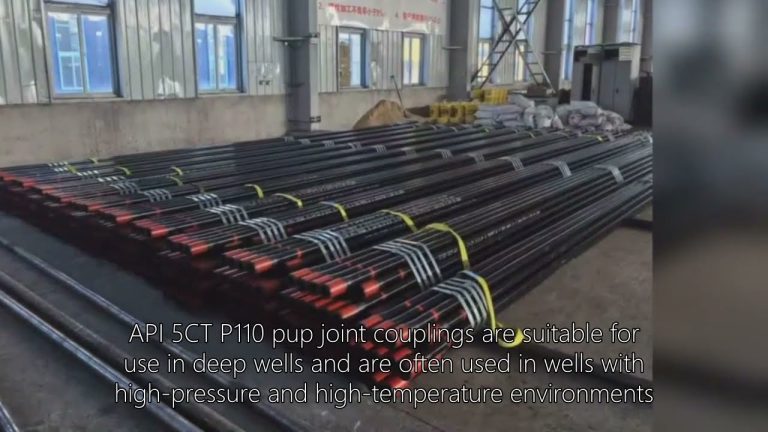
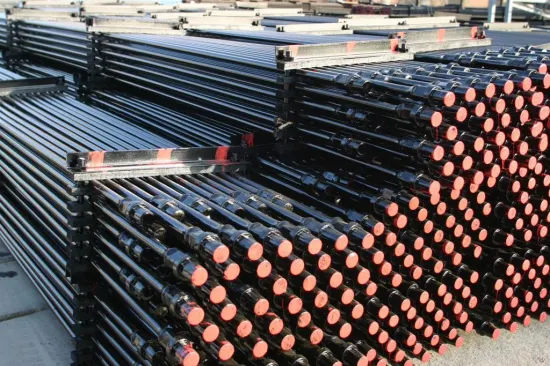
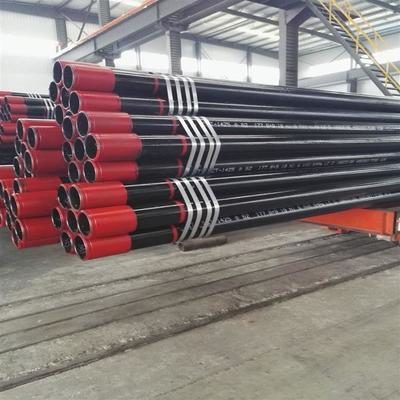
তেলওয়েল কেসিং এবং টিউবিং পেট্রোলিয়াম শিল্পে গুরুত্বপূর্ণ উপাদান, গভীর ভূগর্ভস্থ জলাধার থেকে তেল এবং গ্যাস আহরণের জন্য নালী হিসাবে কাজ করে৷ তাদের নির্মাণে ব্যবহৃত উপকরণগুলির বিবর্তন স্থায়িত্ব, ক্ষয়কারী পরিবেশের প্রতিরোধ এবং ব্যয়-কার্যকারিতার জন্য একটি অনুসন্ধান দ্বারা চিহ্নিত করা হয়েছে। বছরের পর বছর ধরে, শিল্পটি তেলওয়েল কেসিং এবং টিউবিং অ্যাপ্লিকেশনের জন্য বিশেষভাবে তৈরি ইস্পাত সামগ্রীতে উল্লেখযোগ্য অগ্রগতি প্রত্যক্ষ করেছে।
সামনের দিকে তাকিয়ে, অয়েলওয়েল কেসিং এবং টিউবিংয়ের জন্য ইস্পাতের ভবিষ্যত আশাব্যঞ্জক বলে মনে হচ্ছে, ক্রমাগত অগ্রগতি কর্মক্ষমতা, স্থায়িত্ব এবং স্থায়িত্বের ক্ষেত্রে আরও উন্নতি করবে বলে আশা করা হচ্ছে। পদার্থ বিজ্ঞান এবং প্রকৌশলের শক্তিকে কাজে লাগিয়ে, পেট্রোলিয়াম শিল্প কঠোর পরিচালন পরিবেশের দ্বারা সৃষ্ট চ্যালেঞ্জগুলি কাটিয়ে উঠতে পারে এবং মূল্যবান সংস্থানগুলি আগের চেয়ে আরও দক্ষতার সাথে এবং দায়িত্বের সাথে আহরণ করতে পারে৷
Steels for Oilwell Casing and Tubing – Past, Present
OilWell Casing and tubing are crucial components in the Petroleum Industry, serving as conduits for extracting Oil and Gas from deep underground reservoirs. The evolution of Materials used in their Construction has been marked by a quest for durability, resistance to corrosive environments, and cost-effectiveness. Over the years, the industry has witnessed significant advancements in steel materials tailored specifically for oilwell casing and tubing applications.
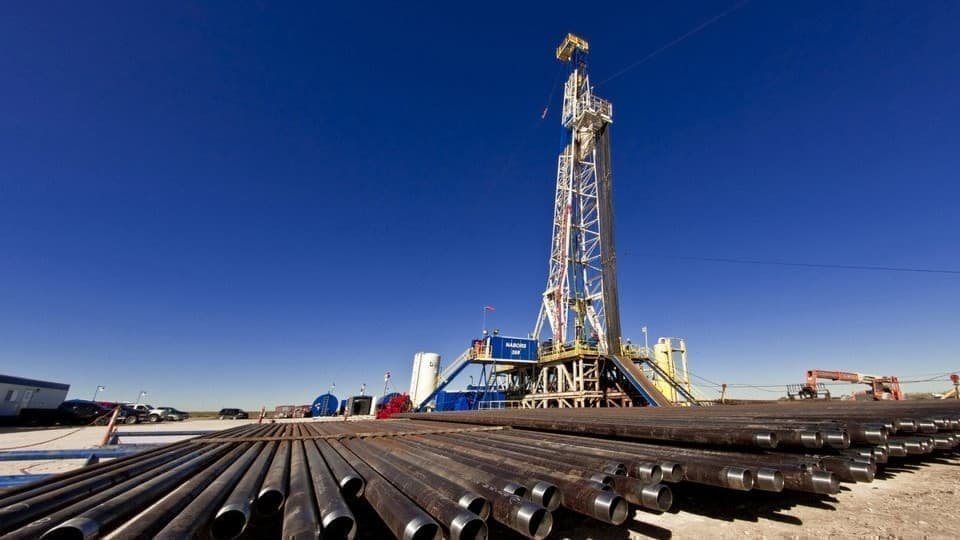
Historically, Carbon steel was the primary material used for oilwell casing and tubing. While carbon steel offered satisFactory mechanical properties, it was susceptible to corrosion in aggressive environments, leading to costly Maintenance and replacement. As the demand for deeper and more challenging oil and gas reserves grew, the limitations of conventional carbon steel became apparent, prompting the search for alternative materials.
The past few decades have seen a shift towards the use of alloyed steels for oilwell casing and tubing. Alloyed steels are engineered to enhance specific properties such as Corrosion resistance, strength, and toughness, making them well-suited for the demanding conditions encountered in oil and gas wells. Chromium, nickel, and molybdenum are commonly incorporated into the alloy matrix to improve corrosion resistance, while elements like vanadium and titanium contribute to strengthening the steel.
One notable development in recent years is the emergence of high-strength low alloy (HSLA) steels for oilwell casing and tubing applications. HSLA steels offer a unique combination of High strength and good weldability, allowing for the fabrication of lighter and more cost-effective tubulars without compromising performance. These steels are particularly advantageous in deepwater drilling operations, where minimizing Weight is critical for offshore installations.
In addition to alloying elements, advancements in steel manufacturing processes have also contributed to the improvement of oilwell casing and tubing materials. Techniques such as quenching and tempering, as well as controlled rolling, enable the precise control of microstructure and mechanical properties, resulting in steels with superior performance characteristics. Furthermore, innovations in surface treatment technologies, such as coatings and claddings, provide an additional layer of protection against corrosion and abrasion.
The quest for more durable and cost-effective materials has driven ongoing research and development efforts in the field of oilwell casing and tubing steels. One promising area of innovation is the utilization of advanced computational modeling and simulation techniques to design novel steel alloys with tailored properties. By leveraging computational tools, researchers can accelerate the discovery process and optimize material performance for specific application requirements.
Another emerging trend in the industry is the adoption of environmentally sustainable steel production practices. With growing concerns about the carbon footprint of industrial activities, steel Manufacturers are increasingly investing in cleaner and more energy-efficient production methods. This includes the use of renewable energy sources, such as solar and wind power, as well as the implementation of recycling and waste reduction initiatives throughout the steel manufacturing supply chain.
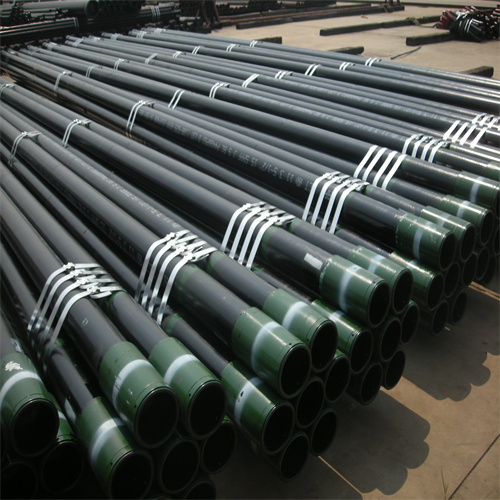
Looking ahead, the future of steels for oilwell casing and tubing appears promising, with contiNued advancements expected to drive further improvements in performance, durability, and sustainability. By harnessing the power of materials science and engineering, the petroleum industry can overcome the challenges posed by harsh operating environments and extract valuable resources more efficiently and responsibly than ever before.