গভীরতা অন্বেষণ: গভীর-সমুদ্র তুরপুনের জন্য অতি-শক্তিশালী জারা-প্রতিরোধী তেল আবরণ
বস্তুগত শক্তি এবং জারা প্রতিরোধের পাশাপাশি, গভীর সমুদ্রের পরিবেশে তেলের আবরণ স্থাপন এবং রক্ষণাবেক্ষণ অনন্য চ্যালেঞ্জের সৃষ্টি করে। রোবোটিক এবং রিমোটলি চালিত যানবাহন (ROVs) এর উদ্ভাবন এই প্রক্রিয়াগুলিতে বৈপ্লবিক পরিবর্তন এনেছে। উন্নত সেন্সর এবং ম্যানিপুলেশন টুলস দ্বারা সজ্জিত ROVগুলি সমুদ্র পৃষ্ঠের গভীরে তেলের আবরণকে সুনির্দিষ্টভাবে স্থাপন ও পরিদর্শন করতে পারে, যা বিপজ্জনক পরিস্থিতিতে মানুষের সংস্পর্শ হ্রাস করে এবং ইনস্টলেশনের যথার্থতা নিশ্চিত করে। দক্ষতা এবং নিরাপত্তা—এটি নিয়ন্ত্রক সম্মতির জন্যও গুরুত্বপূর্ণ। কঠোর পরিবেশগত বিধিগুলির জন্য তেল এবং গ্যাস কোম্পানিগুলিকে এমন প্রযুক্তি ব্যবহার করতে হবে যা ছিটকে পড়া এবং ফুটো হওয়ার ঝুঁকি কমিয়ে দেয়। জারা-প্রতিরোধী আবরণ হাইড্রোকার্বন এবং আশেপাশের পরিবেশের মধ্যে একটি নির্ভরযোগ্য বাধা প্রদান করে এই মান পূরণে একটি গুরুত্বপূর্ণ ভূমিকা পালন করে। ন্যানোটেকনোলজি এবং যৌগিক উপকরণের মতো উদীয়মান প্রযুক্তিগুলি চরম পরিবেশে তেল আবরণের কার্যকারিতা এবং স্থায়িত্ব আরও বাড়ানোর প্রতিশ্রুতি রাখে। এই অগ্রগতিগুলি শুধুমাত্র অফশোর তেল এবং গ্যাস অনুসন্ধানের সম্প্রসারণকেই সমর্থন করে না বরং টেকসই অনুশীলন এবং পরিবেশগত স্টুয়ার্ডশিপের প্রতি শিল্পের প্রতিশ্রুতিতেও অবদান রাখে। . জারা প্রতিরোধের সাথে ব্যতিক্রমী শক্তি একত্রিত করে, এই উপকরণগুলি অফশোর তেল এবং গ্যাস অপারেশনগুলির নিরাপত্তা, দক্ষতা এবং পরিবেশগত দায়িত্ব নিশ্চিত করে। গবেষণা এবং উদ্ভাবনের অগ্রগতির সাথে সাথে, ভবিষ্যতে গভীর-সমুদ্র ড্রিলিং প্রযুক্তির সক্ষমতা এবং স্থায়িত্ব আরও উন্নত করার জন্য উত্তেজনাপূর্ণ সম্ভাবনা রয়েছে, বিশ্বব্যাপী শক্তির চাহিদাগুলি দায়িত্বপূর্ণ এবং নিরাপদে মেটাতে তাদের ভূমিকাকে পুনরায় নিশ্চিত করে৷

Deep-sea Drilling Rigs operate in waters thousands of feet deep, where traditional Materials would succumb to corrosion and mechanical stress. The development of corrosion-resistant alloys, such as nickel-based superalloys and Titanium Alloys, has been pivotal. These materials exhibit remarkable resistance to corrosion from seawater and harsh chemicals present in hydrocarbon reservoirs deep beneath the ocean floor. This Corrosion resistance not only extends the operational life of drilling equipment but also minimizes the risk of environmental contamination from leaks or failures.
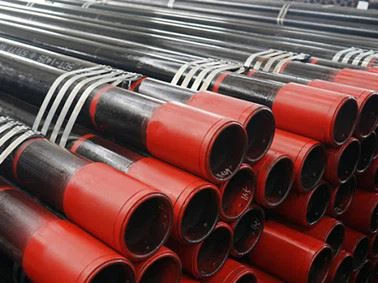
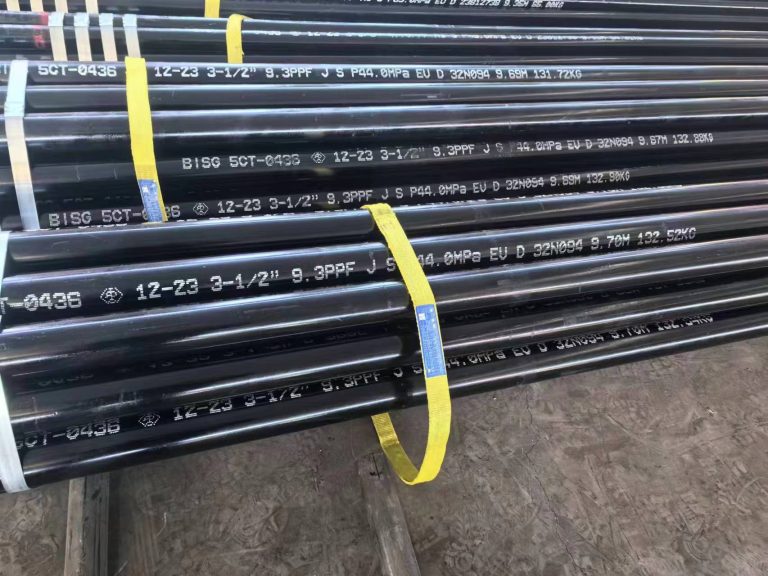
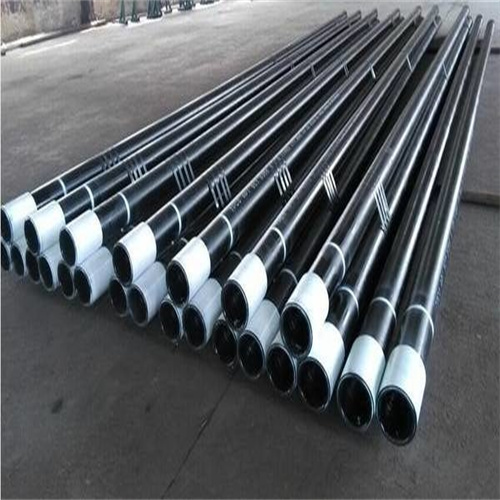
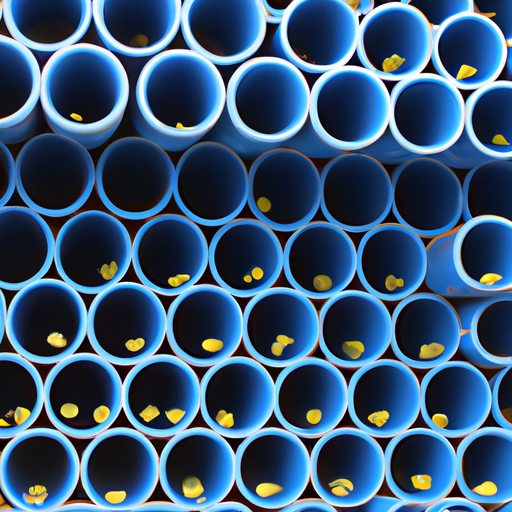
API 5ct l80 9Cr Casing chinese Best wholesalerstrength is another crucial factor in deep-sea drilling operations. The Oil Casing must withstand immense pressures exerted by the water column and the Weight of miles of geological formations above the drilling site. Advanced metallurgical techniques, including heat treatment and alloying, have been employed to enhance the mechanical properties of these materials. As a result, modern oil casing can withstand pressures exceeding several thousand pounds per square inch, ensuring the integrity of the wellbore throughout its operational life.
Furthermore, the design and manufacturing processes of ultra-strong oil casing have undergone significant advancements. Computer simulations and modeling allow engineers to optimize the geometry and thickness of the casing to ensure maximum strength and reliability while minimizing material usage. This not only reduces costs but also contributes to sustainability efforts by minimizing the environmental footprint of drilling operations.
In addition to material strength and corrosion resistance, the installation and Maintenance of oil casing in deep-sea environments pose unique challenges. innovations in robotic and remotely operated vehicles (ROVs) have revolutionized these processes. ROVs equipped with advanced sensors and manipulation tools can precisely place and inspect oil casing deep beneath the ocean surface, reducing human exposure to hazardous conditions and ensuring the accuracy of installation.
The importance of ultra-strong corrosion-resistant oil casing extends beyond operational efficiency and safety\—it is also crucial for regulatory compliance. Stringent environmental regulations require Oil and Gas Companies to employ technologies that minimize the risk of spills and leaks. Corrosion-resistant casing plays a pivotal role in meeting these standards by providing a reliable barrier between hydrocarbons and the surrounding environment.
Looking ahead, research and development efforts contiNue to push the boundaries of material science and engineering in deep-sea drilling applications. Emerging technologies such as nanotechnology and composite materials hold promise for further enhancing the performance and durability of oil casing in extreme environments. These advancements not only support the expansion of offshore oil and gas exploration but also contribute to the industry’s commitment to sustainable practices and environmental stewardship.
In conclusion, ultra-strong corrosion-resistant oil casing represents a critical technological advancement in deep-sea drilling. By combining exceptional strength with unparalleled resistance to corrosion, these materials ensure the safety, efficiency, and environmental responsibility of offshore oil and gas operations. As research and innovation progress, the future holds exciting possibilities for further improving the capabilities and sustainability of deep-sea drilling technologies, reaffirming their role in meeting global energy demands responsibly and safely.