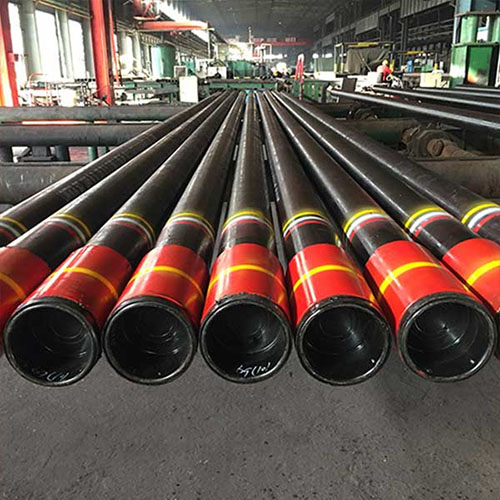
API পাইপ সাইজ স্ট্যান্ডার্ডস
ASTM পাইপ মাত্রা মান
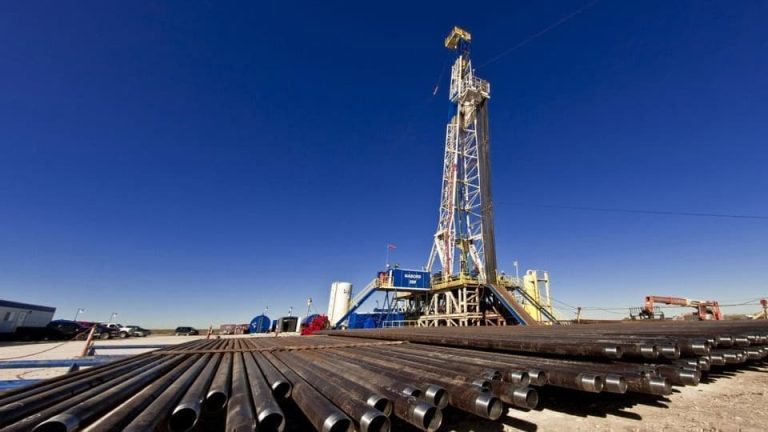
API (আমেরিকান পেট্রোলিয়াম ইনস্টিটিউট) এবং ASTM (আমেরিকান সোসাইটি ফর টেস্টিং অ্যান্ড মেটেরিয়ালস) হল দুটি বিশিষ্ট সংস্থা যারা বিভিন্ন শিল্প পণ্যের জন্য মান স্থাপন করে, যার মধ্যে তেল ও গ্যাস ট্রান্সমিশন, নির্মাণ এবং উত্পাদনের মতো বিভিন্ন অ্যাপ্লিকেশনে ব্যবহৃত পাইপগুলি সহ। API এবং ASTM পাইপের মধ্যে আকার এবং মাত্রার মানগুলির পার্থক্য বোঝা বিভিন্ন শিল্পের মধ্যে সামঞ্জস্য এবং সম্মতি নিশ্চিত করার জন্য অত্যন্ত গুরুত্বপূর্ণ। এই মানগুলি পাইপের আকার এবং মাত্রাগুলির একটি বিস্তৃত পরিসর কভার করে, নির্মাণ এবং শিল্প অ্যাপ্লিকেশনগুলিতে অভিন্নতা এবং নির্ভরযোগ্যতা নিশ্চিত করে। ASTM মানগুলি শিল্প বিশেষজ্ঞদের সম্পৃক্ত সম্মতি-ভিত্তিক প্রক্রিয়াগুলির মাধ্যমে সতর্কতার সাথে তৈরি করা হয়, যা নিশ্চিত করে যে নির্দিষ্টকরণগুলি কঠোর গুণমান এবং কর্মক্ষমতা প্রয়োজনীয়তা পূরণ করে। ব্যাস (DN)। উচ্চ-চাপ এবং উচ্চ-তাপমাত্রার অ্যাপ্লিকেশনগুলিতে ব্যবহৃত পাইপের জন্য NPS হল একটি উত্তর আমেরিকার মান। এটি পাইপের অভ্যন্তরীণ ব্যাস, প্রাচীরের বেধ এবং চাপের রেটিং এর উপর ভিত্তি করে এর নামমাত্র আকার নির্ধারণ করে। অন্যদিকে, ডিএন, আন্তর্জাতিকভাবে ব্যবহৃত একটি মেট্রিক উপাধি এবং পাইপের আনুমানিক অভ্যন্তরীণ ব্যাসের উপর ভিত্তি করে তৈরি করা হয়। , এবং দৈর্ঘ্য। এই সহনশীলতাগুলি পাইপ ফিটিং এবং অ্যাসেম্বলিতে সামঞ্জস্য বজায় রাখার জন্য অত্যন্ত গুরুত্বপূর্ণ, বিভিন্ন উত্পাদন ব্যাচ এবং সরবরাহকারীদের মধ্যে বিনিময়যোগ্যতা এবং সামঞ্জস্যের জন্য অনুমতি দেয়। এই স্পেসিফিকেশন রাসায়নিক গঠন, যান্ত্রিক বৈশিষ্ট্য, এবং কার্বন ইস্পাত, স্টেইনলেস স্টীল, খাদ ইস্পাত, এবং অন্যান্য হিসাবে পাইপ উপাদানের কর্মক্ষমতা বৈশিষ্ট্য বিস্তারিত. ASTM উপাদানের বৈশিষ্ট্যগুলি মেনে চলার মাধ্যমে, নির্মাতারা এবং ব্যবহারকারীরা নিশ্চিত করতে পারেন যে পাইপগুলি তাদের উদ্দেশ্যপ্রণোদিত অ্যাপ্লিকেশন এবং পরিবেশের জন্য উপযুক্ত কিনা, তা তরল, গ্যাস বা কাঠামোগত সহায়তা বহন করে। এর মধ্যে রয়েছে পাইপের শক্তি, জোড়যোগ্যতা, জারা প্রতিরোধের এবং সামগ্রিক স্থায়িত্ব মূল্যায়নের পদ্ধতি। এএসটিএম স্ট্যান্ডার্ডে বর্ণিত পরীক্ষার পদ্ধতিগুলি যাচাই করতে সাহায্য করে যে পাইপগুলি কার্যক্ষমতার প্রত্যাশা এবং নিয়ন্ত্রক প্রয়োজনীয়তাগুলি পূরণ করে বা অতিক্রম করে, তাদের দীর্ঘমেয়াদী নির্ভরযোগ্যতা এবং সুরক্ষার উপর আস্থা প্রদান করে। , যেখানে পাইপগুলি পেট্রোলিয়াম এবং প্রাকৃতিক গ্যাস অনুসন্ধান, উত্পাদন এবং পরিবহনে ব্যবহৃত হয়। API মানগুলি উচ্চ চাপ এবং ক্ষয়কারী পরিবেশের মতো কঠোর অপারেটিং পরিস্থিতি সহ্য করার জন্য ডিজাইন করা বিজোড় এবং ঢালাই পাইপের উপর ফোকাস করে। এই মানগুলি প্রায়শই শক্তি সেক্টরের জন্য নির্দিষ্ট অতিরিক্ত প্রয়োজনীয়তাগুলি অন্তর্ভুক্ত করে, যেমন পরিদর্শন প্রোটোকল এবং শংসাপত্রের মানদণ্ড৷ তারা তেল এবং গ্যাসের ক্রিয়াকলাপের জন্য গুরুত্বপূর্ণ কারণগুলির উপর জোর দেয়, যেমন হাইড্রোজেন সালফাইড (H2S) ক্ষয় প্রতিরোধ, যা টক গ্যাস পরিবেশে প্রচলিত। কর্মক্ষম চাহিদা এবং নিরাপত্তা মানগুলির সাথে সারিবদ্ধতা নিশ্চিত করার জন্য তেল কোম্পানি, পরিষেবা প্রদানকারী এবং নিয়ন্ত্রক সংস্থাগুলি সহ শিল্প স্টেকহোল্ডারদের সহযোগিতায় API মানগুলি তৈরি করা হয়েছে৷
এপিআই এবং এএসটিএম পাইপের আকারের তুলনা
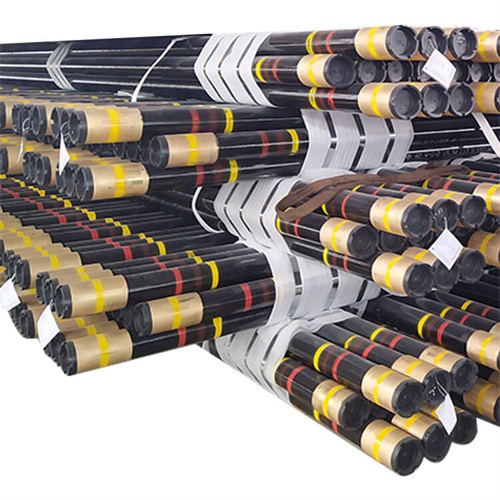
শিল্প পাইপিংয়ের ক্ষেত্রে, পাইপের আকার এবং মাত্রা নিয়ন্ত্রণ করে এমন মানগুলি বোঝা প্রকৌশলী, নির্মাতা এবং নির্মাণ প্রকল্পের সাথে জড়িত সকলের জন্য অত্যন্ত গুরুত্বপূর্ণ। মানগুলির দুটি বিশিষ্ট সেট যা এই বৈশিষ্ট্যগুলিকে সংজ্ঞায়িত করে তা হল API (আমেরিকান পেট্রোলিয়াম ইনস্টিটিউট) এবং ASTM (আমেরিকান সোসাইটি ফর টেস্টিং অ্যান্ড মেটেরিয়ালস)। যদিও API এবং ASTM উভয়ই পাইপ উত্পাদনের জন্য নির্দেশিকা প্রদান করে, তারা তাদের পদ্ধতি এবং সুযোগের মধ্যে উল্লেখযোগ্যভাবে পৃথক।
API মানগুলি প্রাথমিকভাবে তেল এবং গ্যাস শিল্পে ব্যবহৃত পাইপের প্রয়োজনীয়তার উপর দৃষ্টি নিবদ্ধ করে। এই মানগুলি তেল অনুসন্ধান, উত্পাদন এবং পরিবহনে সম্মুখীন হওয়া চাহিদার শর্তগুলির সাথে সুরক্ষা, নির্ভরযোগ্যতা এবং সামঞ্জস্যতা নিশ্চিত করার জন্য তৈরি করা হয়েছে। API পাইপের আকারগুলি সাধারণত নামমাত্র পাইপ আকার (NPS) এবং সময়সূচী (SCH) নম্বর দ্বারা মনোনীত হয়। NPS পাইপের আনুমানিক ভিতরের ব্যাস (আইডি) প্রতিনিধিত্ব করে, যখন SCH নম্বর প্রাচীরের বেধ নির্দেশ করে। . ASTM পাইপের আকারগুলি নামমাত্র পাইপের আকারের উপর ভিত্তি করে এবং সাধারণত একটি নামমাত্র ব্যাস (DN) এবং একটি সময়সূচী বা প্রাচীর বেধ পদবি দ্বারা নির্দিষ্ট করা হয়। ASTM মানগুলি নির্মাণ, রাসায়নিক প্রক্রিয়াকরণ, উপযোগিতা এবং উত্পাদন সহ বিভিন্ন ক্ষেত্রে ব্যবহার করা হয়।
API এবং ASTM পাইপ মানগুলির মধ্যে একটি উল্লেখযোগ্য পার্থক্য হল তাদের মাত্রিক সহনশীলতার প্রয়োজনীয়তার মধ্যে। এপিআই স্ট্যান্ডার্ডে কঠোর সহনশীলতার প্রবণতা থাকে, বিশেষ করে দেয়ালের বেধের জন্য, যা এমন অ্যাপ্লিকেশনের ক্ষেত্রে গুরুত্বপূর্ণ যেখানে উচ্চ চাপ বা ক্ষয়কারী অবস্থার অধীনে পাইপের অখণ্ডতা সর্বাগ্রে। ASTM মানগুলি, যদিও এখনও কঠোর, বিভিন্ন শিল্পের চাহিদা এবং উত্পাদন প্রক্রিয়াগুলিকে মিটমাট করার জন্য কিছুটা বেশি পরিবর্তনশীলতার অনুমতি দিতে পারে৷
আকার পরিসরের পরিপ্রেক্ষিতে, API মানগুলি সাধারণত ASTM-এর তুলনায় পাইপের আকারের একটি সংকীর্ণ পরিসরকে কভার করে। API পাইপগুলি সাধারণত NPS 1/8 (DN 6) থেকে NPS 48 (DN 1200) পর্যন্ত আকারে পাওয়া যায়। এই মাপগুলি তেল এবং গ্যাস শিল্পের নির্দিষ্ট অপারেশনাল প্রয়োজনীয়তার জন্য উপযুক্ত, যেখানে পাইপলাইনগুলি উচ্চ চাপের মধ্যে বিশাল দূরত্ব এবং পরিবহন পদার্থগুলিকে বিস্তৃত করতে পারে৷ ভারী শিল্প সেটিংস ব্যবহৃত বড় ব্যাস আবাসিক নদীর গভীরতানির্ণয় অ্যাপ্লিকেশন. এই বহুমুখিতা অর্থনীতির বিভিন্ন সেক্টর জুড়ে ASTM স্ট্যান্ডার্ড দ্বারা পরিবেশিত বিভিন্ন অ্যাপ্লিকেশনগুলিকে প্রতিফলিত করে।
API থেকে ASTM স্ট্যান্ডার্ডে স্থানান্তর বা তদ্বিপরীত প্রায়ই মাত্রিক সামঞ্জস্যতা এবং কর্মক্ষমতা বৈশিষ্ট্যগুলির যত্নশীল বিবেচনার প্রয়োজন হয়৷ ইঞ্জিনিয়ার এবং প্রজেক্ট ম্যানেজারদের অবশ্যই নিশ্চিত করতে হবে যে নির্বাচিত পাইপ স্পেসিফিকেশনগুলি তাদের নির্দিষ্ট অ্যাপ্লিকেশনের অপারেশনাল চাহিদা, পরিবেশগত অবস্থা এবং নিয়ন্ত্রক প্রয়োজনীয়তার সাথে সামঞ্জস্যপূর্ণ। এই মানগুলির সাথে সম্মতি অগত্যা বিনিময়যোগ্যতার গ্যারান্টি দেয় না। উপাদান গঠন, উত্পাদন প্রক্রিয়া এবং গুণমান নিশ্চিতকরণ অনুশীলনের মতো বিষয়গুলি একটি প্রদত্ত অ্যাপ্লিকেশনের জন্য পাইপের কার্যকারিতা এবং উপযুক্ততাকে প্রভাবিত করতে পারে। শিল্প পাইপিং অ্যাপ্লিকেশন. তেল এবং গ্যাস অনুসন্ধানের জন্য বা নির্মাণ প্রকল্পের জন্য পাইপ নির্বাচন করা হোক না কেন, উপযুক্ত মানগুলি মেনে চলা নিরাপত্তা, কর্মক্ষমতা এবং নিয়ন্ত্রক প্রয়োজনীয়তার সাথে সম্মতি নিশ্চিত করে। এই মানগুলিকে কার্যকরভাবে নেভিগেট করার মাধ্যমে, প্রকৌশলী এবং শিল্প পেশাদাররা বিভিন্ন কর্মক্ষম পরিবেশে পাইপিং সিস্টেমের দক্ষতা, নির্ভরযোগ্যতা এবং দীর্ঘায়ু অপ্টিমাইজ করতে পারেন।
In the realm of industrial piping, understanding the standards that govern Pipe sizes and dimensions is crucial for engineers, Manufacturers, and anyone involved in Construction projects. Two prominent sets of standards that define these specifications are API (American Petroleum Institute) and ASTM (American Society for Testing and Materials). While both API and ASTM provide guidelines for pipe manufacturing, they differ significantly in their approach and scope.
API standards are primarily focused on the requirements for Pipes used in the Oil and Gas industry. These standards are developed to ensure safety, reliability, and compatibility with the demanding conditions encountered in oil exploration, production, and transportation. API Pipe sizes are typically designated by the nominal pipe size (NPS) and schedule (SCH) number. The NPS represents the approximate inside Diameter (ID) of the pipe, while the SCH number indicates the Wall thickness.
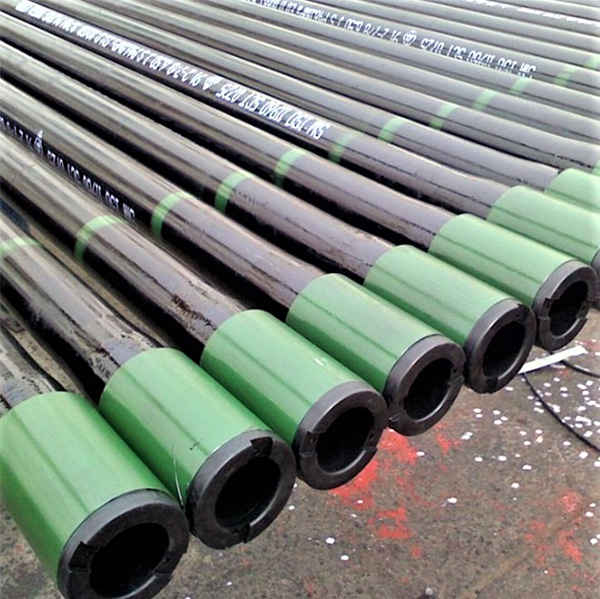
api 5ct J55 Tubing Best chinese ExporterOn the other hand, ASTM standards cover a broader range of industries and applications beyond oil and gas. ASTM pipe sizes are based on nominal pipe sizes and are commonly specified by a nominal diameter (DN) and a schedule or wall thickness designation. ASTM standards are utilized in various sectors including construction, chemical processing, utilities, and manufacturing.
One significant Difference between API and ASTM pipe standards lies in their dimensional tolerance requirements. API standards tend to have stricter tolerances, particularly for wall thickness, which is critical in applications where pipe integrity under high pressure or corrosive conditions is paramount. ASTM standards, while still stringent, may allow for slightly more variability to accommodate different industry needs and manufacturing processes.
In terms of size range, API standards typically cover a narrower range of pipe sizes compared to ASTM. API pipes are commonly found in sizes ranging from NPS 1/8 (DN 6) to NPS 48 (DN 1200). These sizes are suited for the specific operational requirements of the oil and gas industry, where pipelines may span vast distances and transport substances under high pressure.
In contrast, ASTM standards encompass a broader spectrum of pipe sizes, extending from small diameters suitable for residential plumbing applications to large diameters used in heavy industrial settings. This versatility reflects the diverse applications served by ASTM standards across different sectors of the economy.
Transitioning from API to ASTM standards or vice versa often requires careful consideration of dimensional compatibility and performance characteristics. Engineers and project managers must ensure that the cHosen pipe specifications align with the operational demands, environmental conditions, and regulatory requirements of their specific application.
Furthermore, while both API and ASTM standards provide guidelines for pipe manufacturing, it is essential to note that compliance with these standards does not necessarily guarantee interchangeability. Factors such as material composition, manufacturing processes, and quality assurance practices can influence the performance and suitability of pipes for a given application.
In conclusion, understanding the differences in size and dimension standards between API and ASTM pipes is essential for making informed decisions in industrial piping applications. Whether selecting pipes for oil and gas exploration or for construction projects, adherence to the appropriate standards ensures compliance with safety, performance, and regulatory requirements. By navigating these standards effectively, engineers and industry professionals can optimize the efficiency, reliability, and longevity of piping systems in diverse operational environments.