পেট্রোলিয়াম কেসিং এর প্রভাব শক্তির উপর তাপমাত্রার তারতম্যের প্রভাব
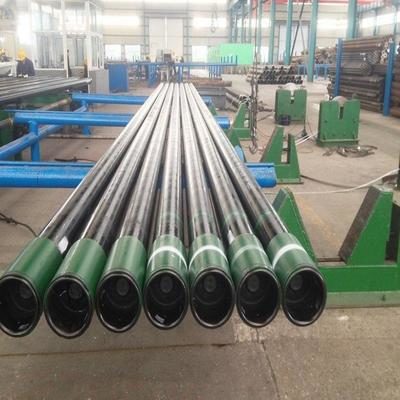
পেট্রোলিয়াম কেসিংয়ের প্রভাব শক্তি তাপমাত্রার তারতম্য সহ বিভিন্ন কারণ দ্বারা প্রভাবিত একটি গুরুত্বপূর্ণ প্যারামিটার। চ্যালেঞ্জিং অপারেশনাল পরিবেশে তাদের নির্ভরযোগ্যতা এবং স্থায়িত্ব নিশ্চিত করার জন্য এই কেসিংগুলির প্রভাব শক্তি বৃদ্ধির বিষয়ে API এবং ASTM মানগুলির সুনির্দিষ্ট রূপান্তরগুলি বোঝা অপরিহার্য৷ ওঠানামা করা তাপমাত্রা। এই তাপমাত্রার বৈচিত্রগুলি কেসিংয়ের যান্ত্রিক বৈশিষ্ট্যগুলিকে উল্লেখযোগ্যভাবে প্রভাবিত করতে পারে, বিশেষ করে তাদের প্রভাব শক্তিকে। ইমপ্যাক্ট স্ট্রেন্থ বলতে বোঝায় কোনো উপাদানের হঠাৎ লোডিং বা শককে ফ্র্যাকচার ছাড়া সহ্য করার ক্ষমতা। পেট্রোলিয়াম ক্যাসিংয়ের প্রেক্ষাপটে, যা প্রায়শই ইস্পাত খাদ দিয়ে তৈরি হয়, পর্যাপ্ত প্রভাব শক্তি নিশ্চিত করা ব্যর্থতা রোধ করার জন্য অত্যন্ত গুরুত্বপূর্ণ যা ব্যয়বহুল অপারেশনাল ডাউনটাইম বা পরিবেশগত বিপদের কারণ হতে পারে।
আমেরিকান পেট্রোলিয়াম ইনস্টিটিউট (এপিআই) এবং আমেরিকান সোসাইটি ফর টেস্টিং এবং উপকরণ (ASTM) পেট্রোলিয়াম Casings উত্পাদন এবং কর্মক্ষমতা স্পেসিফিকেশন নিয়ন্ত্রণ করে এমন মান প্রতিষ্ঠায় প্রধান ভূমিকা পালন করে। উপকরণ বিজ্ঞান এবং প্রকৌশল অনুশীলনে অগ্রগতি অন্তর্ভুক্ত করার জন্য এই মানগুলি সূক্ষ্ম পর্যালোচনা এবং আপডেটের মধ্য দিয়ে যায়। বিশেষত, API মানগুলি প্রভাব শক্তি সহ কেসিংয়ের যান্ত্রিক বৈশিষ্ট্যগুলির জন্য প্রয়োজনীয়তার রূপরেখা দেয়, যখন ASTM মানগুলি তাপমাত্রা সহ বিভিন্ন পরিস্থিতিতে এই বৈশিষ্ট্যগুলিকে মূল্যায়ন করার জন্য বিশদ পরীক্ষার পদ্ধতি সরবরাহ করে৷
এপিআই এবং এএসটিএম স্ট্যান্ডার্ডে প্রভাব প্রতিরোধের উপর অ্যালোয়িং উপাদানগুলির প্রভাব
ইমপ্যাক্ট স্ট্রেন্থ এনহান্সমেন্টের জন্য পরীক্ষার পদ্ধতির তুলনামূলক বিশ্লেষণ
পেট্রোলিয়াম ক্যাসিংয়ের ক্ষেত্রে, কঠোর অপারেটিং অবস্থার অধীনে স্থায়িত্ব এবং নির্ভরযোগ্যতা নিশ্চিত করার জন্য প্রভাব শক্তির বৃদ্ধি অত্যন্ত গুরুত্বপূর্ণ। আমেরিকান পেট্রোলিয়াম ইনস্টিটিউট (এপিআই) এবং আমেরিকান সোসাইটি ফর টেস্টিং অ্যান্ড মেটেরিয়ালস (এএসটিএম) এর মতো বিশিষ্ট সংস্থাগুলির দ্বারা নির্ধারিত কঠোর মান দ্বারা এই বর্ধনটি পরিচালিত হয়৷ এই মানগুলির সুনির্দিষ্ট রূপান্তরগুলি বোঝা কীভাবে নির্মাতারা এবং গবেষকরা ক্রমাগত পেট্রোলিয়াম ক্যাসিংয়ের প্রভাব শক্তিকে উন্নত করে সে সম্পর্কে মূল্যবান অন্তর্দৃষ্টি প্রদান করে। এই আপডেটগুলি ক্ষেত্রের কার্যকারিতা, পরীক্ষার পদ্ধতিতে অগ্রগতি এবং উপাদান বৈশিষ্ট্যগুলিতে গবেষণা থেকে অন্তর্দৃষ্টি থেকে অভিজ্ঞতামূলক ডেটার সংমিশ্রণ দ্বারা চালিত হয়। কর্মক্ষমতা প্রয়োজনীয়তা। প্রভাবের শক্তিকে প্রমিত পরীক্ষার মাধ্যমে মূল্যায়ন করা হয় যা বাস্তব-বিশ্বের পরিস্থিতি অনুকরণ করে যেখানে কেসিংগুলি হঠাৎ যান্ত্রিক চাপ অনুভব করতে পারে। বছরের পর বছর ধরে, এপিআই মানগুলি প্রভাব প্রতিরোধের জন্য আরও কঠোর প্রয়োজনীয়তাগুলিকে অন্তর্ভুক্ত করার জন্য বিকশিত হয়েছে, যা শক্তিশালী কেসিং উপকরণগুলির জন্য শিল্পের ক্রমবর্ধমান চাহিদাকে প্রতিফলিত করে৷ পেট্রোলিয়াম সহ। প্রভাব পরীক্ষার জন্য ASTM মানগুলি উপাদানগুলির শক্তি শোষণের বৈশিষ্ট্যগুলি নির্ধারণের জন্য বিস্তারিত পদ্ধতি এবং মানদণ্ডের রূপরেখা দেয়, যা সরাসরি তাদের প্রভাব শক্তিকে প্রভাবিত করে। ASTM মানগুলির আপডেটগুলি প্রায়শই পরিমার্জিত পরীক্ষার প্রোটোকল এবং গ্রহণযোগ্যতার মানদণ্ডে সামঞ্জস্যগুলিকে সাম্প্রতিক গবেষণার ফলাফলগুলির সাথে সামঞ্জস্য করে৷
API এবং ASTM মানগুলির একটি তুলনামূলক বিশ্লেষণ পরীক্ষার পদ্ধতিতে সূক্ষ্ম পার্থক্য এবং পেট্রোলিয়াম ক্যাসিংগুলিতে প্রভাব শক্তি বৃদ্ধির জন্য গ্রহণযোগ্যতার মানদণ্ড প্রকাশ করে৷ উদাহরণস্বরূপ, API মানগুলি তেল ড্রিলিং অপারেশনগুলির সাথে প্রাসঙ্গিক নির্দিষ্ট পরিবেশগত অবস্থা বা লোডিং পরিস্থিতির উপর জোর দিতে পারে, যখন ASTM মানগুলি বিভিন্ন শিল্প প্রসঙ্গে প্রযোজ্য আরও সাধারণ পদ্ধতি প্রদান করে। পেট্রোলিয়াম casings কর্মক্ষমতা এবং নির্ভরযোগ্যতা উন্নতি. গবেষণা প্রতিষ্ঠান এবং ইন্ডাস্ট্রি কনসোর্টিয়া অধ্যয়ন পরিচালনায় একটি গুরুত্বপূর্ণ ভূমিকা পালন করে যা API এবং ASTM মানগুলির আপডেটগুলিকে অবহিত করে, এটি নিশ্চিত করে যে তারা উচ্চতর প্রভাব প্রতিরোধের সাথে কেসিং তৈরির দিকে প্রস্তুতকারকদের নির্দেশনা দেওয়ার ক্ষেত্রে প্রাসঙ্গিক এবং কার্যকর থাকে৷
ট্রানজিশনাল বাক্যাংশ যেমন “বিপরীতভাবে,” “একইভাবে,” এবং “ফলে” এপিআই এবং এএসটিএম স্ট্যান্ডার্ডের তুলনামূলক বিশ্লেষণের মাধ্যমে পাঠকদের গাইড করতে সহায়তা করে। এই বাক্যাংশগুলি নির্দিষ্ট পরীক্ষার পদ্ধতি, গ্রহণযোগ্যতার মানদণ্ড এবং পেট্রোলিয়াম শিল্পের জন্য বৃহত্তর প্রভাবগুলির আলোচনার মধ্যে একটি মসৃণ রূপান্তরকে সহজতর করে৷ ক্রমাগত উন্নতি এবং প্রযুক্তিগত অগ্রগতি। এই আপডেট হওয়া মানগুলি মেনে চলার মাধ্যমে, নির্মাতারা তাদের পণ্যগুলিতে উচ্চ স্তরের নির্ভরযোগ্যতা এবং স্থায়িত্ব অর্জন করতে পারে, শেষ পর্যন্ত বিশ্বব্যাপী তেল ড্রিলিং অপারেশনগুলির দক্ষতা এবং নিরাপত্তাকে সমর্থন করে। গবেষণার অগ্রগতি এবং নতুন চ্যালেঞ্জের উদ্ভব হওয়ার সাথে সাথে, API এবং ASTM পেট্রোলিয়াম শিল্পের ক্রমবর্ধমান চাহিদা মেটাতে তাদের মানগুলিকে বিকশিত করতে থাকবে, যাতে পেট্রোলিয়াম কেসিংগুলি ভাল অখণ্ডতা এবং অপারেশনাল ধারাবাহিকতা রক্ষায় তাদের গুরুত্বপূর্ণ ভূমিকা বজায় রাখে৷
In the realm of petroleum casings, the enhancement of impact strength is crucial for ensuring durability and reliability under harsh operating conditions. This enhancement is guided by rigorous standards set forth by prominent organizations such as the American Petroleum Institute (API) and the American Society for Testing and Materials (ASTM). Understanding the precise transformations in these standards provides valuable insights into how Manufacturers and researchers continually improve the impact strength of petroleum casings.
Both API and ASTM standards undergo periodic updates to incorporate advancements in materials science and engineering practices. These updates are driven by a combination of empirical data from field performance, advancements in testing methodologies, and insights from research into material properties.
The API sets standards specifically tailored for the Petroleum Industry, encompassing various aspects of casing design, materials, and performance requirements. Impact strength is assessed through standardized tests that simulate real-world scenarios where casings may experience sudden mechanical stresses. Over the years, API standards have evolved to include more stringent requirements for impact resistance, reflecting the industry’s increasing demand for robust casing materials.
ASTM, on the other hand, provides a broader framework of standards that apply to a wide range of industries, including petroleum. ASTM standards for impact testing outline detailed procedures and criteria for determining the energy absorption characteristics of materials, which directly influence their impact strength. Updates in ASTM standards often incorporate refined testing protocols and adjustments in acceptance criteria to align with the latest research findings.
A comparative analysis of API and ASTM standards reveals nuanced Differences in testing methodologies and acceptance criteria for impact strength enhancement in petroleum casings. For instance, API standards may emphasize specific environmental conditions or loading scenarios relevant to Oil drilling operations, while ASTM standards provide a more generalized approach applicable across different industrial contexts.
The evolution of these standards is driven by ongoing research and development efforts aimed at improving the performance and reliability of petroleum casings. Research institutions and industry consortia play a pivotal role in conducting studies that inform updates to API and ASTM standards, ensuring that they remain relevant and effective in guiding manufacturers towards producing casings with superior impact resistance.
Transitional phrases such as “in contrast,” “similarly,” and “consequently” help guide readers through the comparative analysis of API and ASTM standards. These phrases facilitate a Smooth transition between discussions of specific testing methodologies, acceptance criteria, and the broader implications for the petroleum industry.
In conclusion, the precise transformations in API and ASTM standards for enhancing the impact strength of petroleum casings underscore a commitment to continuous improvement and technological advancement. By adhering to these updated standards, manufacturers can achieve higher levels of reliability and durability in their products, ultimately supporting the efficiency and safety of oil drilling operations worldwide. As research progresses and new challenges emerge, API and ASTM will contiNue to evolve their standards to meet the evolving needs of the petroleum industry, ensuring that petroleum casings maintain their critical role in safeguarding well integrity and operational continuity.