Impact of Temperature Variation on Impact Strength of Petroleum Casings
The impact strength of petroleum casings is a critical parameter influenced by various factors, including temperature variations. Understanding the precise transformations in API and ASTM standards concerning the impact strength increase of these casings is essential for ensuring their reliability and durability in challenging operational environments.
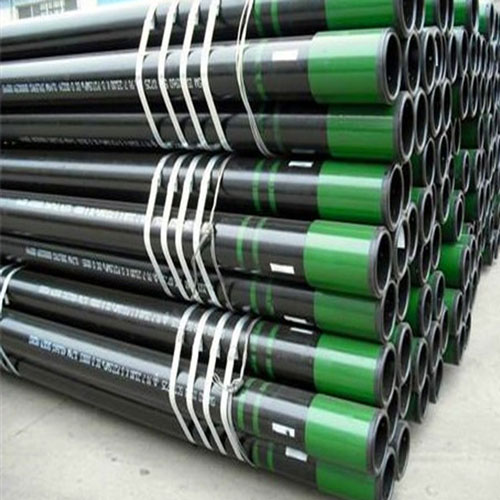
Petroleum casings are subjected to dynamic conditions during drilling and extraction processes, where they are exposed to fluctuating temperatures. These temperature variations can significantly impact the mechanical properties of the casings, particularly their impact strength. Impact strength refers to the ability of a Material to withstand sudden loading or shock without fracturing. In the context of petroleum casings, which are often made of Steel alloys, ensuring adequate impact strength is crucial to prevent failures that could lead to costly operational downtime or environmental hazards.
The American Petroleum Institute (API) and the American Society for Testing and Materials (ASTM) play pivotal roles in establishing standards that govern the manufacturing and performance specifications of petroleum casings. These standards undergo meticulous review and updating to incorporate advancements in materials science and engineering practices. Specifically, the API standards outline requirements for the mechanical properties of casings, including impact strength, while ASTM standards provide detailed testing methods to evaluate these properties under varying conditions, including temperature.
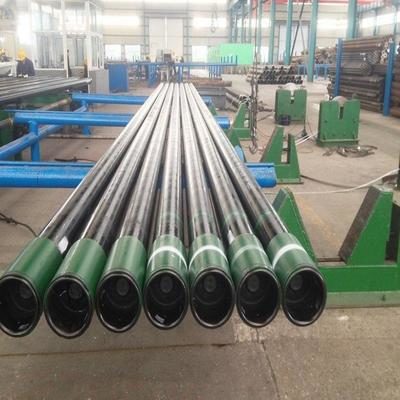
One of the key transformations in API and ASTM standards concerning the impact strength of petroleum casings involves the adaptation of testing protocols to simulate real-world temperature fluctuations. Casings operating in Oil and Gas wells can experience temperature differentials ranging from sub-zero temperatures in arctic conditions to high temperatures in desert regions. Therefore, standards have evolved to include testing at different temperatures to assess how these variations affect impact strength.
Moreover, advancements in metallurgical research have led to the development of steel alloys specifically designed to enhance impact strength across a wide range of temperatures. API and ASTM standards reflect these advancements by incorporating new alloy compositions and heat treatment protocols that improve the resilience of casings under impact loading.
In practice, the testing and certification of petroleum casings according to API and ASTM standards involve subjecting samples to controlled impact tests at specified temperatures. These tests provide empirical data on the casing\\u2019s ability to resist brittle fracture or deformation under dynamic loading conditions. Manufacturers and operators rely on these standardized tests to ensure compliance with safety and performance requirements.
Furthermore, the evolution of API and ASTM standards also addresses environmental considerations, such as the impact of corrosive substances present in oil and gas wells on casing integrity. Standards now include provisions for evaluating the Corrosion resistance of casings in conjunction with impact strength, offering a comprehensive approach to enhancing reliability in harsh operating environments.
In conclusion, the precise transformations in API and ASTM standards regarding the impact strength increase of petroleum casings underscore the industry\\u2019s commitment to continuous improvement and safety. By integrating advanced materials science, rigorous testing methodologies, and environmental considerations, these standards not only bolster the performance of petroleum casings but also contribute to sustainable and efficient operations in the oil and gas sector. Engineers, manufacturers, and regulatory bodies collaborate closely to ensure that these standards remain robust and adaptable to evolving industry demands, thereby safeguarding infrastructure and optimizing production efficiency in challenging global energy landscapes.
Effect of Alloying Elements on Impact Resistance in API and ASTM Standards
In the realm of petroleum casing materials, the impact resistance is a critical factor that directly influences the durability and safety of drilling operations. Both API (American Petroleum Institute) and ASTM (American Society for Testing and Materials) standards play pivotal roles in defining the requirements and specifications for these materials, ensuring they meet rigorous industry standards for impact strength.
api 5ct N80-1 CASING chinese Best ExporterPetroleum casings are subjected to harsh conditions during drilling and extraction processes, including high pressures, abrasive environments, and mechanical stresses. To withstand these challenges, manufacturers rely on precise alloy compositions and processing techniques that enhance the material’s impact resistance.
API standards provide guidelines specifically tailored to the Petroleum Industry, outlining the minimum requirements for casing materials. These standards are regularly updated to incorporate advancements in materials science and engineering practices. Similarly, ASTM standards focus on the technical aspects of materials testing and evaluation, ensuring consistency and reliability across different manufacturing processes and Suppliers.
One of the key areas of focus within both API and ASTM standards is the role of alloying elements in enhancing impact resistance. Alloying elements such as chromium, molybdenum, and nickel are strategically added to steel to improve its mechanical properties, including toughness and ductility. These elements alter the microstructure of the steel, refining grain size and promoting the formation of tough phases that can absorb energy during impact.
For instance, chromium contributes to the formation of hard carbides, which increase hardness and wear resistance while maintaining adequate toughness. Molybdenum, on the other hand, improves the steel’s ability to resist brittle fracture by promoting the formation of a fine-grained microstructure. Nickel enhances toughness by increasing the steel’s ductility and impact resistance at low temperatures.
The precise transformations in API and ASTM standards reflect ongoing research and development efforts aimed at optimizing these alloying elements’ concentrations and combinations. Manufacturers continually refine their materials to meet increasingly stringent performance requirements set by the industry.
In practical terms, the impact strength of petroleum casings is assessed through standardized tests such as Charpy V-notch testing, which measures the energy absorbed by a material during a sudden impact. API and ASTM standards specify minimum values for impact energy absorption, ensuring that casings can withstand accidental impacts or sudden loads without catastrophic failure.
Furthermore, advancements in metallurgical processes, such as controlled rolling and accelerated cooling techniques, play a crucial role in achieving the desired microstructure and mechanical properties. These processes allow manufacturers to tailor the material’s properties more precisely, ensuring consistency and reliability in performance across different production batches.
The evolution of API and ASTM standards in impact resistance underscores the industry’s commitment to safety and efficiency in petroleum extraction. By adhering to these standards, manufacturers and operators alike can mitigate risks associated with casing failure and ensure the integrity of drilling operations even under demanding conditions.
In conclusion, the enhancement of impact resistance in petroleum casings through API and ASTM standards reflects a convergence of scientific research, engineering innovation, and industry collaboration. Alloying elements and advanced processing techniques are leveraged to optimize material properties, thereby safeguarding the reliability and durability of petroleum casing materials in critical applications. As technology contiNues to advance, so too will the standards that govern the materials crucial to the energy industry’s infrastructure and operations.
Comparative Analysis of Testing Methods for Impact Strength Enhancement
In the realm of petroleum casings, the enhancement of impact strength is crucial for ensuring durability and reliability under harsh operating conditions. This enhancement is guided by rigorous standards set forth by prominent organizations such as the American Petroleum Institute (API) and the American Society for Testing and Materials (ASTM). Understanding the precise transformations in these standards provides valuable insights into how manufacturers and researchers continually improve the impact strength of petroleum casings.
Both API and ASTM standards undergo periodic updates to incorporate advancements in materials science and engineering practices. These updates are driven by a combination of empirical data from field performance, advancements in testing methodologies, and insights from research into material properties.
The API sets standards specifically tailored for the petroleum industry, encompassing various aspects of casing design, materials, and performance requirements. Impact strength is assessed through standardized tests that simulate real-world scenarios where casings may experience sudden mechanical stresses. Over the years, API standards have evolved to include more stringent requirements for impact resistance, reflecting the industry’s increasing demand for robust casing materials.
ASTM, on the other hand, provides a broader framework of standards that apply to a wide range of industries, including petroleum. ASTM standards for impact testing outline detailed procedures and criteria for determining the energy absorption characteristics of materials, which directly influence their impact strength. Updates in ASTM standards often incorporate refined testing protocols and adjustments in acceptance criteria to align with the latest research findings.
A comparative analysis of API and ASTM standards reveals nuanced Differences in testing methodologies and acceptance criteria for impact strength enhancement in petroleum casings. For instance, API standards may emphasize specific environmental conditions or loading scenarios relevant to oil drilling operations, while ASTM standards provide a more generalized approach applicable across different industrial contexts.
The evolution of these standards is driven by ongoing research and development efforts aimed at improving the performance and reliability of petroleum casings. Research institutions and industry consortia play a pivotal role in conducting studies that inform updates to API and ASTM standards, ensuring that they remain relevant and effective in guiding manufacturers towards producing casings with superior impact resistance.
Transitional phrases such as “in contrast,” “similarly,” and “consequently” help guide readers through the comparative analysis of API and ASTM standards. These phrases facilitate a Smooth transition between discussions of specific testing methodologies, acceptance criteria, and the broader implications for the petroleum industry.
In conclusion, the precise transformations in API and ASTM standards for enhancing the impact strength of petroleum casings underscore a commitment to continuous improvement and technological advancement. By adhering to these updated standards, manufacturers can achieve higher levels of reliability and durability in their products, ultimately supporting the efficiency and safety of oil drilling operations worldwide. As research progresses and new challenges emerge, API and ASTM will continue to evolve their standards to meet the evolving needs of the petroleum industry, ensuring that petroleum casings maintain their critical role in safeguarding well integrity and operational continuity.