সাপ্লাই চেইন ব্যাঘাত
নিয়ন্ত্রক কারণগুলি তেল আবরণ বাজারে জটিলতার আরেকটি স্তর যোগ করে। পরিবেশগত প্রবিধান, নিরাপত্তা মান, এবং বাণিজ্য নীতি উৎপাদন খরচ এবং সরবরাহ চেইন লজিস্টিক প্রভাবিত করতে পারে। কঠোর প্রবিধানের সাথে সম্মতির জন্য নতুন প্রযুক্তিতে বিনিয়োগ বা উৎপাদন প্রক্রিয়ার পরিবর্তনের প্রয়োজন হতে পারে, যা মূল্য নির্ধারণের কৌশল এবং বাজারের গতিশীলতাকে প্রভাবিত করতে পারে। ওঠানামা, প্রযুক্তিগত অগ্রগতি, আর্থিক বাজারের প্রভাব, এবং নিয়ন্ত্রক চ্যালেঞ্জ। তেল ও গ্যাস শিল্পের স্টেকহোল্ডারদের অবশ্যই ঝুঁকি কমাতে এবং একটি অস্থির বাজার পরিবেশে সুযোগগুলিকে পুঁজি করতে এই জটিলতাগুলি নেভিগেট করতে হবে। সরবরাহ শৃঙ্খল জুড়ে স্থিতিস্থাপকতা, উদ্ভাবন এবং সহযোগিতাকে উত্সাহিত করে, স্টেকহোল্ডাররা তেল আবরণ বাজারে বৃহত্তর স্থিতিশীলতা এবং স্থায়িত্ব অর্জনের দিকে কাজ করতে পারে।

ভূ-রাজনৈতিক অনিশ্চয়তা
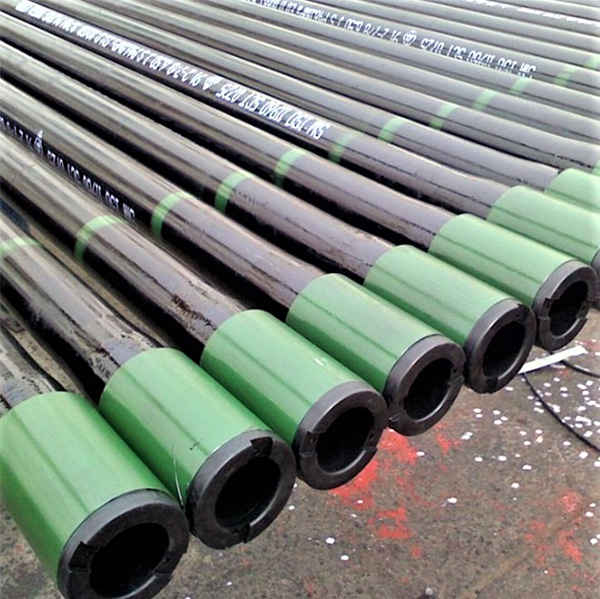
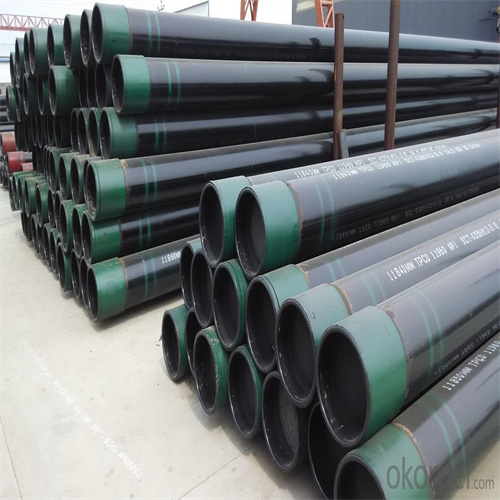
বিক্রির জন্য ইস্পাত কেসিং পাইপ
এছাড়া, ভূ-রাজনৈতিক কারণগুলিও তেলের চাহিদার ধরণকে প্রভাবিত করে। তেল উৎপাদনকারী দেশগুলির উপর আরোপিত অর্থনৈতিক নিষেধাজ্ঞাগুলি তাদের তেল রপ্তানি করার ক্ষমতাকে সীমিত করতে পারে, যা বিশ্বব্যাপী সরবরাহের স্তরকে প্রভাবিত করে। বিপরীতভাবে, মূল ভোক্তা অঞ্চলে ভূ-রাজনৈতিক স্থিতিশীলতা অর্থনৈতিক প্রবৃদ্ধিকে জোরদার করতে পারে এবং তেলের ব্যবহার বাড়াতে পারে, যার ফলে তেলের আবরণ এবং সংশ্লিষ্ট অবকাঠামোর চাহিদা প্রভাবিত হয়। OPEC (পেট্রোলিয়াম রপ্তানিকারক দেশগুলির সংস্থা) এবং এর সহযোগীরা, প্রায়ই OPEC+ নামে পরিচিত, উৎপাদন কোটার মাধ্যমে বিশ্বব্যাপী তেল সরবরাহ নিয়ন্ত্রণে একটি গুরুত্বপূর্ণ ভূমিকা পালন করে। এই কোটায় যেকোনো মতবিরোধ বা সমন্বয় তেলের দামের ওঠানামা শুরু করতে পারে এবং ফলস্বরূপ, তেলের আবরণের বাজারে। অতিরিক্তভাবে, ভূ-রাজনৈতিক আলোচনা এবং চুক্তি, যেমন আন্তর্জাতিক বাণিজ্য চুক্তি বা চুক্তি, তেল বাজারের অনুভূতি এবং মূল্য নির্ধারণের প্রবণতাকে প্রভাবিত করতে পারে। তেল আবরণ. বাজারের অংশগ্রহণকারীরা ঘনিষ্ঠভাবে ভূ-রাজনৈতিক সংবাদ এবং উন্নয়নগুলি নিরীক্ষণ করে, কারণ এগুলি ভবিষ্যতের সরবরাহ এবং চাহিদার গতিশীলতার জন্য গুরুত্বপূর্ণ অন্তর্দৃষ্টি প্রদান করতে পারে। ভূ-রাজনৈতিক ঘটনাগুলির প্রত্যাশা প্রায়শই তেলের বাজারে অনুমানমূলক আচরণের দিকে পরিচালিত করে, দামের অস্থিরতা বাড়িয়ে তোলে এবং শিল্প স্টেকহোল্ডারদের জন্য দীর্ঘমেয়াদী পরিকল্পনা জটিল করে তোলে। তেল আবরণ বাজার. ড্রিলিং কৌশল এবং উপকরণের উদ্ভাবনগুলি নির্দিষ্ট ধরণের তেলের আবরণগুলির চাহিদাকে পরিবর্তন করতে পারে, যখন কার্বন নির্গমন হ্রাস করার লক্ষ্যে নিয়ন্ত্রক পরিবর্তনগুলি তেল অনুসন্ধান এবং উত্পাদনে বিনিয়োগের সিদ্ধান্তগুলিকে প্রভাবিত করতে পারে৷ তেল আবরণ বাজার মূল্য. বিশ্বব্যাপী তেল সরবরাহ শৃঙ্খলে এর প্রভাব, বাজারের মনোভাব এবং বিনিয়োগকারীদের আচরণকে রূপ দেওয়ার ক্ষমতার সাথে, ভূ-রাজনৈতিক উন্নয়ন এবং পণ্য মূল্যের মধ্যে জটিল সম্পর্ককে আন্ডারস্কোর করে। যেহেতু স্টেকহোল্ডাররা এই জটিলতাগুলি নেভিগেট করে, তেলের আবরণের বাজারে ভূ-রাজনৈতিক কারণগুলির গভীর প্রভাব বোঝা শক্তি সেক্টরে অবহিত সিদ্ধান্ত গ্রহণ এবং কৌশলগত পরিকল্পনার জন্য অত্যন্ত গুরুত্বপূর্ণ৷
The instability of Oil Casing market Prices can be largely attributed to geopolitical uncertainty, a critical factor influencing global oil markets. Geopolitical events, spanning political tensions, conflicts, and policy decisions among nations, wield significant influence over oil supply and demand dynamics, thereby impacting prices of essential components like oil casings.
Geopolitical tensions frequently disrupt oil production and distribution channels, leading to fluctuations in market supply. For instance, conflicts in major oil-producing regions such as the Middle East can abruptly halt production or disrupt transportation routes, causing supply shortages and driving prices upward. The uncertainty surrounding geopolitical developments amplifies market volatility, as investors and industry stakeholders react to shifting political landscapes and their potential impact on oil supply chains.
Moreover, geopolitical factors also influence oil demand patterns. Economic sanctions imposed on oil-producing nations can restrict their ability to export oil, affecting global supply levels. Conversely, geopolitical stability in key consuming regions can bolster economic growth and increase oil consumption, thereby influencing demand for oil casings and related infrastructure.
Policy decisions by major oil-producing nations further contribute to market instability. OPEC (Organization of the Petroleum Exporting Countries) and its allies, often referred to as OPEC+, play a pivotal role in regulating global oil supply through production quotas. Any disagreements or adjustments in these quotas can trigger price fluctuations in the oil and, consequently, the oil casing market. Additionally, geopolitical negotiations and agreements, such as international trade deals or treaties, can impact oil market sentiment and pricing trends.
The interconnected nature of global energy markets means that geopolitical developments reverberate across the entire oil supply chain, including the production and pricing of oil casings. Market participants closely monitor geopolitical news and developments, as these can provide critical insights into future supply and demand dynamics. The anticipation of geopolitical events often leads to speculative behavior in oil markets, exacerbating price volatility and complicating long-term planning for industry stakeholders.
Furthermore, geopolitical uncertainty intersects with other market factors, such as technological advancements and environmental regulations, to shape the oil casing market. innovations in drilling techniques and Materials can alter the demand for specific types of oil casings, while regulatory changes aimed at reducing carbon emissions may influence investment decisions in oil exploration and production.
In conclusion, geopolitical uncertainty stands out as a primary driver of instability in oil casing market prices. Its influence on global oil supply chains, coupled with its ability to shape market sentiment and investor behavior, underscores the intricate relationship between geopolitical developments and commodity pricing. As stakeholders navigate these complexities, understanding the profound impact of geopolitical factors on the oil casing market remains crucial for informed decision-making and strategic planning in the energy sector.