اضطرابات سلسلة التوريد
تضيف العوامل التنظيمية طبقة أخرى من التعقيد إلى سوق أغلفة النفط. يمكن أن تؤثر اللوائح البيئية ومعايير السلامة والسياسات التجارية على تكاليف الإنتاج والخدمات اللوجستية لسلسلة التوريد. قد يتطلب الامتثال للوائح الصارمة استثمارات في تقنيات جديدة أو تعديلات على عمليات التصنيع، مما قد يؤثر على استراتيجيات التسعير وديناميكيات السوق.
في الختام، ينبع عدم استقرار أسعار سوق غلاف النفط من تفاعل متعدد الأوجه بين اضطرابات سلسلة التوريد، وجانب الطلب. التقلبات والتقدم التكنولوجي وتأثيرات الأسواق المالية والتحديات التنظيمية. يجب على أصحاب المصلحة في صناعة النفط والغاز التغلب على هذه التعقيدات للتخفيف من المخاطر والاستفادة من الفرص المتاحة في بيئة السوق المتقلبة. ومن خلال تعزيز المرونة والابتكار والتعاون عبر سلسلة التوريد، يمكن لأصحاب المصلحة العمل على تحقيق قدر أكبر من الاستقرار والاستدامة في سوق أغلفة النفط.

عدم اليقين الجيوسياسي
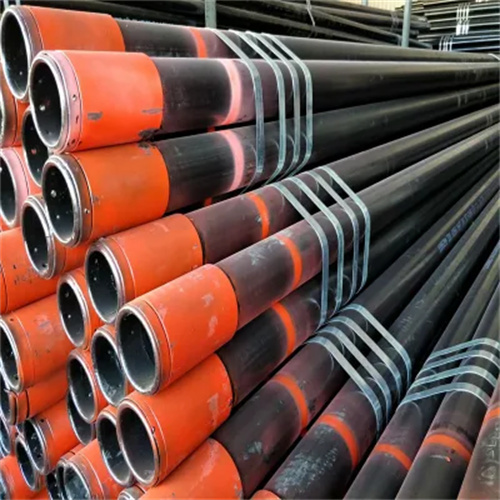
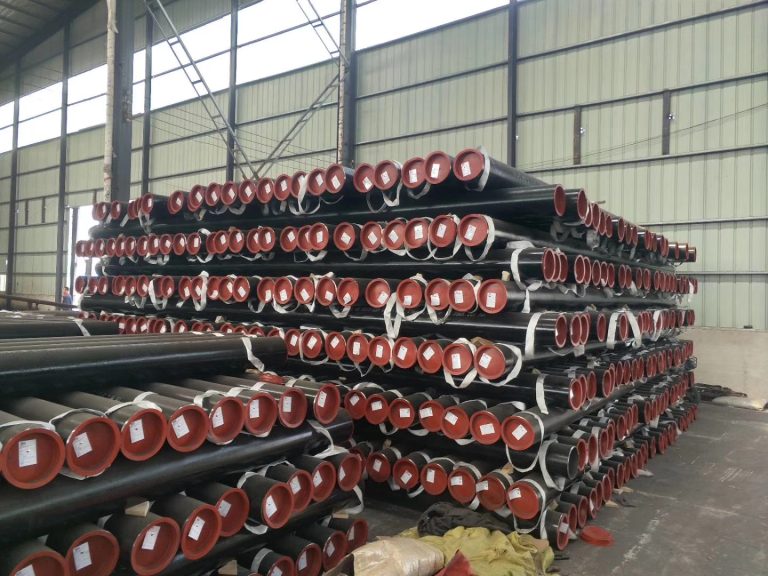
أنابيب الصلب للبيع
علاوة على ذلك، تؤثر العوامل الجيوسياسية أيضًا على أنماط الطلب على النفط. يمكن للعقوبات الاقتصادية المفروضة على الدول المنتجة للنفط أن تحد من قدرتها على تصدير النفط، مما يؤثر على مستويات العرض العالمية. وعلى العكس من ذلك، فإن الاستقرار الجيوسياسي في المناطق المستهلكة الرئيسية يمكن أن يعزز النمو الاقتصادي ويزيد من استهلاك النفط، وبالتالي يؤثر على الطلب على أغلفة النفط والبنية التحتية ذات الصلة.
تساهم القرارات السياسية التي تتخذها الدول الكبرى المنتجة للنفط في زيادة عدم استقرار السوق. تلعب أوبك (منظمة البلدان المصدرة للبترول) وحلفاؤها، الذين يشار إليهم غالبًا باسم أوبك +، دورًا محوريًا في تنظيم إمدادات النفط العالمية من خلال حصص الإنتاج. وأي خلافات أو تعديلات في هذه الحصص يمكن أن تؤدي إلى تقلبات في أسعار النفط، وبالتالي في سوق غلاف النفط. بالإضافة إلى ذلك، يمكن للمفاوضات والاتفاقيات الجيوسياسية، مثل صفقات أو معاهدات التجارة الدولية، أن تؤثر على معنويات سوق النفط واتجاهات التسعير.
الطبيعة المترابطة لأسواق الطاقة العالمية تعني أن التطورات الجيوسياسية يتردد صداها عبر سلسلة توريد النفط بأكملها، بما في ذلك الإنتاج والتسعير. من أغلفة النفط. يراقب المشاركون في السوق عن كثب الأخبار والتطورات الجيوسياسية، حيث يمكن أن توفر رؤى مهمة حول ديناميكيات العرض والطلب المستقبلية. غالبًا ما يؤدي توقع الأحداث الجيوسياسية إلى سلوك المضاربة في أسواق النفط، مما يؤدي إلى تفاقم تقلبات الأسعار وتعقيد التخطيط طويل المدى لأصحاب المصلحة في الصناعة.
علاوة على ذلك، تتقاطع حالة عدم اليقين الجيوسياسي مع عوامل السوق الأخرى، مثل التقدم التكنولوجي واللوائح البيئية، لتشكيل الاقتصاد العالمي. سوق غلاف النفط. يمكن للابتكارات في تقنيات ومواد الحفر أن تغير الطلب على أنواع معينة من أغلفة النفط، في حين أن التغييرات التنظيمية التي تهدف إلى الحد من انبعاثات الكربون قد تؤثر على قرارات الاستثمار في استكشاف النفط وإنتاجه.
في الختام، تبرز حالة عدم اليقين الجيوسياسي باعتبارها المحرك الرئيسي لعدم الاستقرار. في أسعار سوق غلاف النفط. إن تأثيرها على سلاسل إمدادات النفط العالمية، إلى جانب قدرتها على تشكيل معنويات السوق وسلوك المستثمرين، يسلط الضوء على العلاقة المعقدة بين التطورات الجيوسياسية وتسعير السلع الأساسية. وبينما يتنقل أصحاب المصلحة في هذه التعقيدات، يظل فهم التأثير العميق للعوامل الجيوسياسية على سوق غلاف النفط أمرًا بالغ الأهمية لاتخاذ قرارات مستنيرة والتخطيط الاستراتيجي في قطاع الطاقة.
The instability of Oil Casing market Prices can be largely attributed to geopolitical uncertainty, a critical factor influencing global oil markets. Geopolitical events, spanning political tensions, conflicts, and policy decisions among nations, wield significant influence over oil supply and demand dynamics, thereby impacting prices of essential components like oil casings.
Geopolitical tensions frequently disrupt oil production and distribution channels, leading to fluctuations in market supply. For instance, conflicts in major oil-producing regions such as the Middle East can abruptly halt production or disrupt transportation routes, causing supply shortages and driving prices upward. The uncertainty surrounding geopolitical developments amplifies market volatility, as investors and industry stakeholders react to shifting political landscapes and their potential impact on oil supply chains.
Moreover, geopolitical factors also influence oil demand patterns. Economic sanctions imposed on oil-producing nations can restrict their ability to export oil, affecting global supply levels. Conversely, geopolitical stability in key consuming regions can bolster economic growth and increase oil consumption, thereby influencing demand for oil casings and related infrastructure.
Policy decisions by major oil-producing nations further contribute to market instability. OPEC (Organization of the Petroleum Exporting Countries) and its allies, often referred to as OPEC+, play a pivotal role in regulating global oil supply through production quotas. Any disagreements or adjustments in these quotas can trigger price fluctuations in the oil and, consequently, the oil casing market. Additionally, geopolitical negotiations and agreements, such as international trade deals or treaties, can impact oil market sentiment and pricing trends.
The interconnected nature of global energy markets means that geopolitical developments reverberate across the entire oil supply chain, including the production and pricing of oil casings. Market participants closely monitor geopolitical news and developments, as these can provide critical insights into future supply and demand dynamics. The anticipation of geopolitical events often leads to speculative behavior in oil markets, exacerbating price volatility and complicating long-term planning for industry stakeholders.
Furthermore, geopolitical uncertainty intersects with other market factors, such as technological advancements and environmental regulations, to shape the oil casing market. innovations in drilling techniques and Materials can alter the demand for specific types of oil casings, while regulatory changes aimed at reducing carbon emissions may influence investment decisions in oil exploration and production.
In conclusion, geopolitical uncertainty stands out as a primary driver of instability in oil casing market prices. Its influence on global oil supply chains, coupled with its ability to shape market sentiment and investor behavior, underscores the intricate relationship between geopolitical developments and commodity pricing. As stakeholders navigate these complexities, understanding the profound impact of geopolitical factors on the oil casing market remains crucial for informed decision-making and strategic planning in the energy sector.